Posted in Matilda's, Memoir Writing, Narrative Therapy, Women's Health, Women's Stories

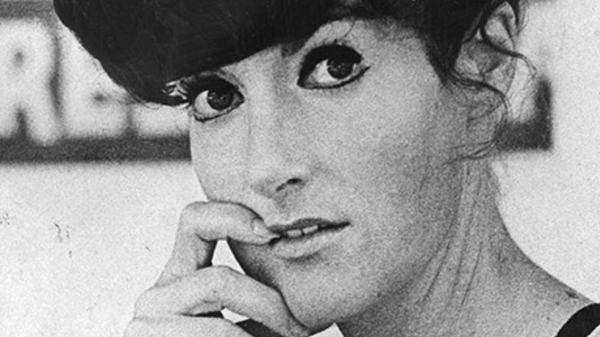
Waltzing with Leona Sue Shephard

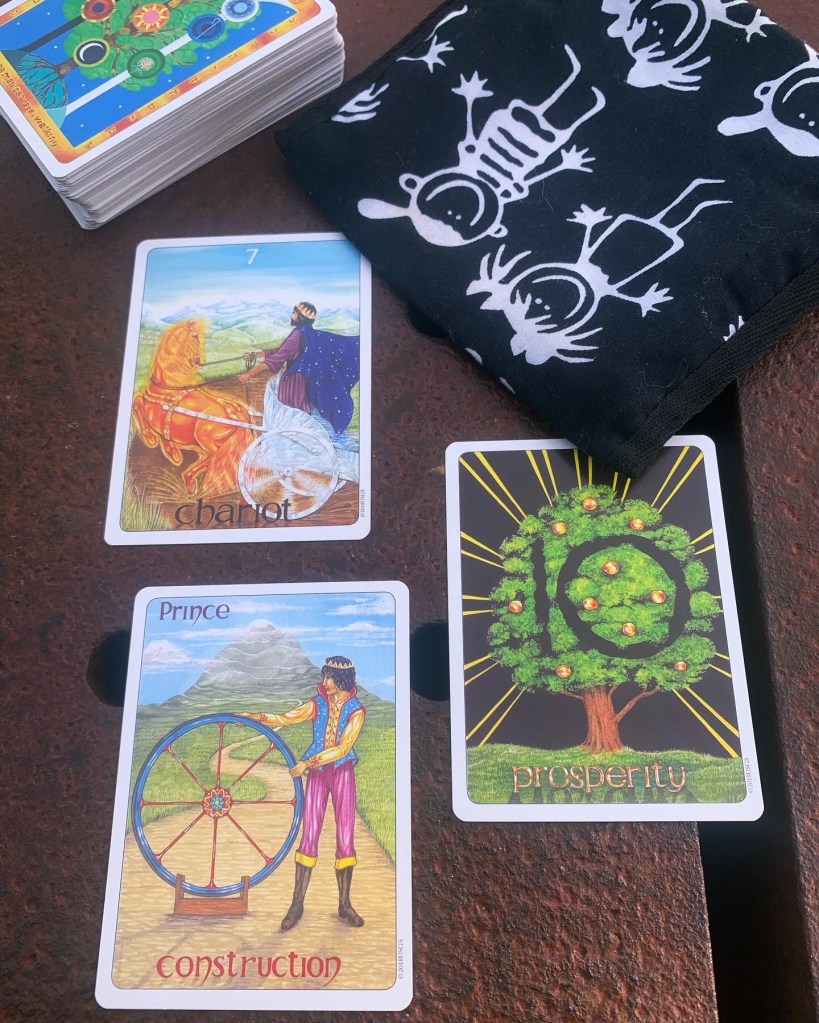
When The Tower card appears in a Tarot reading, expect the unexpected – massive change, upheaval, destruction and chaos. It may be a divorce, death of a loved one, financial failure, health problems, natural disaster, job loss or any event that shakes you to your core, affecting you spiritually, mentally and physically. There’s no escaping it. Change is here to tear things up, create chaos and destroy everything in its path (but trust me, it’s for your Highest Good). from Biddy Tarot

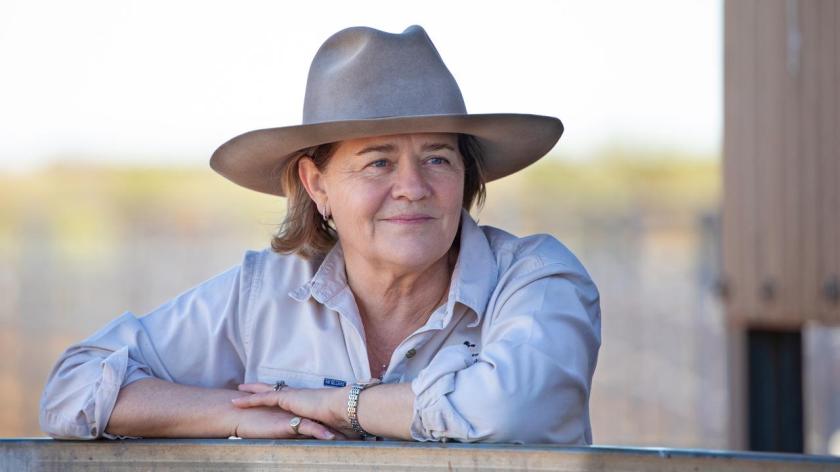
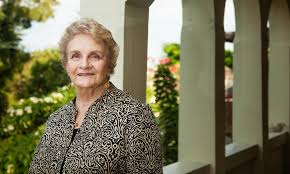
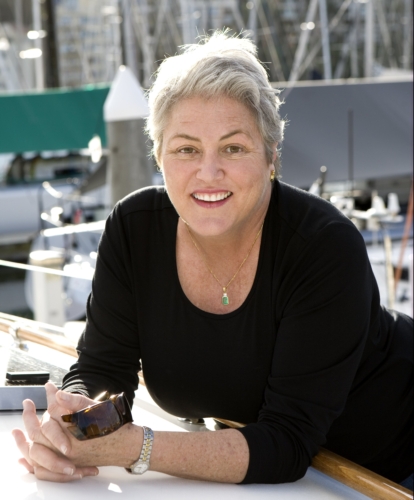
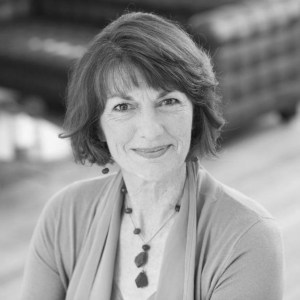
Sometimes it is not the Tower card but a Tower moment that changes everything. Leona Sue Shephard had returned to nursing when Covid hit and she witnessed first hand the mayhem and general chaos that impacted on health services all over the world.

One day as she headed to the hospital carpark she thought she witnessed a brick tower collapse before her eyes. In fact it was a vision of how everything was collapsing around her. Rattled she googled Tower and the Tower Card appeared. Unfamiliar with Tarot she went and purchased her first deck.

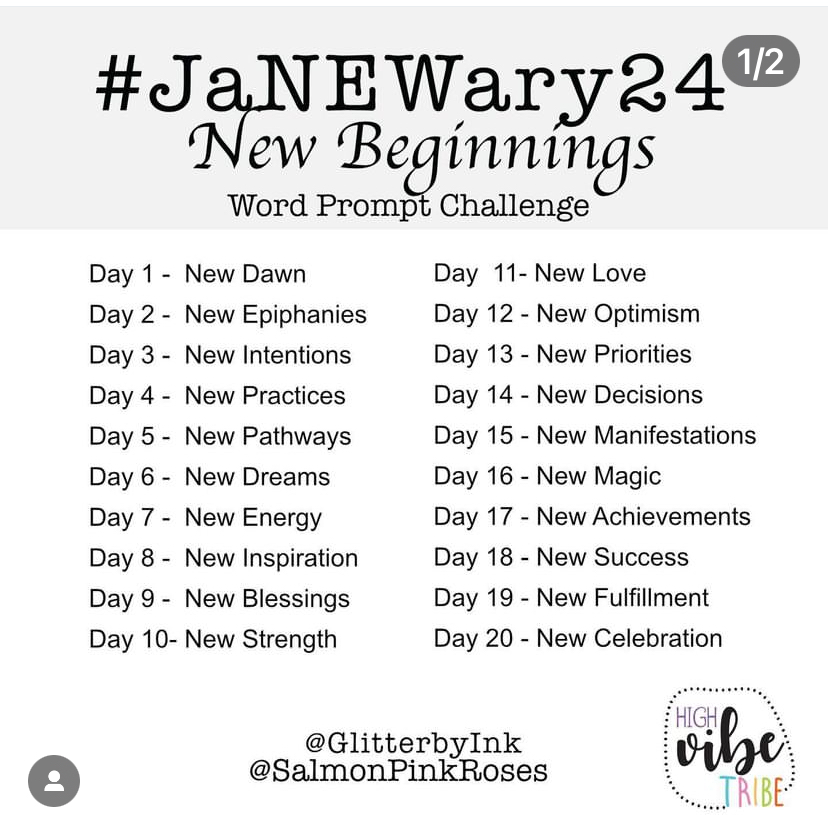
The chain of events that followed has led to her creating a vibrant High Vibe Tribe group on Instagram. Each month she produces, with the support of a cohost, a word based challenge and in doing so has ended up creating a thriving, growing community.

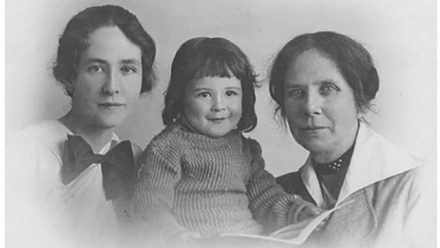
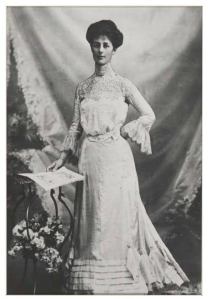
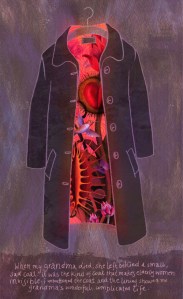
Leona Sue graciously accepted my offer to Waltz with her and not only put together a piece to remember and honour a female ancestor, but to share how the High Vibe Tribe came into being. She remembers, with great respect and affection her Great Aunt, Lenora Lowery.

Posted in Matilda's, Memoir Writing, Narrative Therapy, Women's Health, Women's Stories

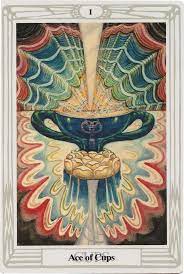
Ace of Wands – Tilly Aston

Wands are associated with fire energy, and the Ace of Wands is the core representation of fire within the deck. The Ace of Wands is the boldest among the cards in this suit. It is not the kind of creativity that you learn from school or as a hobby. It is bravely finding your own voice, it creates a place where you can develop your own vision. In other words, it is associated with willpower, and creativity in the cosmic sense.
Labyrinthos

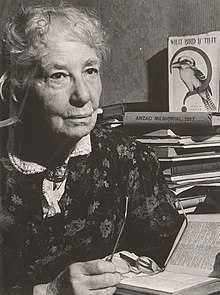
One of the most important activists in the history of disability in Australia was Matilda (Tilly) Aston.

Matilda Ann Aston (1873-1947), blind writer and teacher, was born on 11 December 1873 at Carisbrook, Victoria, youngest of the eight children of Edward Aston, bootmaker, and his wife Ann, née Howell. Her parents had migrated from Gloucestershire to Kapunda, South Australia, in 1855 and two years later moved to Carisbrook.

Tilly, as she was commonly known, had defective eyesight from birth but just before her seventh birthday she became totally blind. Born at a time when blind people had very little support or access to education and other opportunities it was only a chance meeting with a blind itinerant missionary that meant that she learnt Braille. A little later, it was a visit to Carisbrook by the Victorian Asylum and School for the Blind choir, and the Principal who insisted she enroll in the school, that changed her life.

Most people have never heard of Miss Tilly Aston (1873 – 1947), an Australian heroine who deserves a brighter spotlight on her life devoted to the service of others. As an advocate for change, a dedicated teacher, eloquent writer with a pioneering spirit, Tilly felt a sense of urgency to help her ‘sightless brethren’ in their mutual constant struggle for equality.

Vision Aware

The challenges Tilly faced in managing life as a woman with blindness became the impetus for her to work to improve the lives of other people who were blind. Aston’s achievements are formidable. In 1894 she founded the Victorian Association of Braille Writers, which became the Victorian Braille Library. In 1895, she co-founded the Association for the Advancement of the Blind, which in became Vision Australia. As well as being the first woman who was blind to be admitted to an Australian university and Australia’s first blind teacher, Tilly was a distinguished and critically acclaimed writer, producing seven books of verse.

As well as these achievements Aston campaigned for vision-impaired people’s right to vote. “The right to vote at elections was often refused to us because we were not able to use pen and ink, and many other grievances added to the difficulties of our handicap,” she wrote in her memoir.

Working with the Ace of Wands

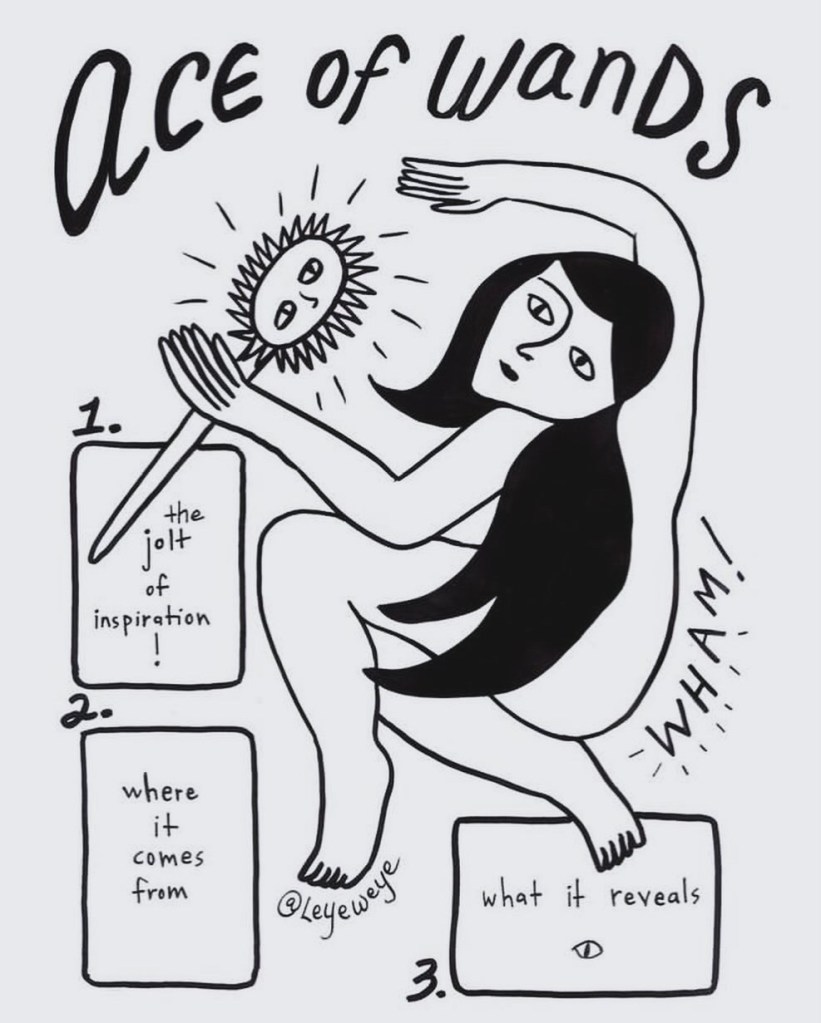
In the case of Tilly Aston it was a visit to Carisbrook by the Victorian Asylum and School for the Blind choir that changed her life. Jolts can come in many forms. One way to activate an idea is to do a spread like this one by Rebecca @leyeweye

There is no doubt that a rich harvest came from Aston’s life changing meeting. Give the cards a spin and see what emerges for you.

Posted in Matilda's, Memoir Writing, Narrative Therapy, Women's Health, Women's Stories

Queen of Cups – Dame Mary Gilmore

The Queen of Cups has had plenty of experience in matters of the heart. They have searched and experimented, moved through breakups and new love, learned about kindness and compassion.

The Queen of Cups knows herself and knows how deeply she is connected to the whole Universe. She is grounded in her emotional life, which may not always be steady, but she owns it with passion. She knows how to listen. She knows how to tune out the noise and hear what his heart has to say in any situation

Dame Mary Gilmore rightly deserves the title of Queen of Cups. She was a writer whose outspoken advocacy of universal social justice, nationalism and the often forgotten aspects of Australian rural life in 19th Century Australia made her a legend during her own long lifetime. She campaigned for a wide range of social and economic reforms, such as votes for women, old-age and invalid pensions, child endowment and improved treatment of returned servicemen, the poor and Aboriginals.

This is an intuitive person, someone who feels everything. Empathetic, they can ‘tune in’ to the people they meet and understand them on a deep level.

Mary Jean Cameron, known to her family as Jeannie, was born near Goulburn in August 1865 of Scottish-Irish stock. Her father, Donald Cameron, was a wanderer who moved his family around south-western New South Wales where Jeannie learned to love the country and respect Aboriginal traditions. At 7 in the Brucedale School near Wagga Wagga she learned to write: “I had wings. I could not help writing.”

Singapore, one of her famous poems decrying war, reveals just how a-tune Gilmore was with her feelings

They grouped together about the chief
And each one looked at his mate,
Ashamed to think that Australian men
Should meet such bitter fate!
And black was the wrath in each hot heart
And savage oaths they swore
As they thought of how they had all been ditched
By “Impregnable” Singapore.

In her vaunted place she squatted the sea
On a base that was Maginot bred
Her startled face looked up at the skies
To the enemy planes o’erhead.
Enemy planes; while ours were – where?
That cry we had heard before
Our hearts were wrung as it rose this time
From beleaguered Singapore.

She brought forth death as her eldest child
With defeat as her second son.
Then she hung a white flag out on a staff
To show that her task was done.
And sick with rage the Australians stood,
And God! how those Anzacs swore –
Bennett and all his men alike –
At the fall of Singapore.

Whose was the fault she betrayed our troops?
Whose was the fault she failed!?
Ask it of those who lowered the flag
At once to the mast was nailed,
Tell them we’ll raise it on Anzac soil
With hearts that are steeled to the core
We swear by our dead and captive sons
REVENGE FOR SINGAPORE!

Posted in Matilda's, Memoir Writing, Narrative Therapy, Women's Health, Women's Stories

Page of Cups – Evonne Goolagong – Cawley

The Page of Cups is often perceived to symbolise persistence as this is the only way that you can make your dreams come true.

The Page of Cups is ready to hand her heart over, overflowing with the willingness to open up and share.

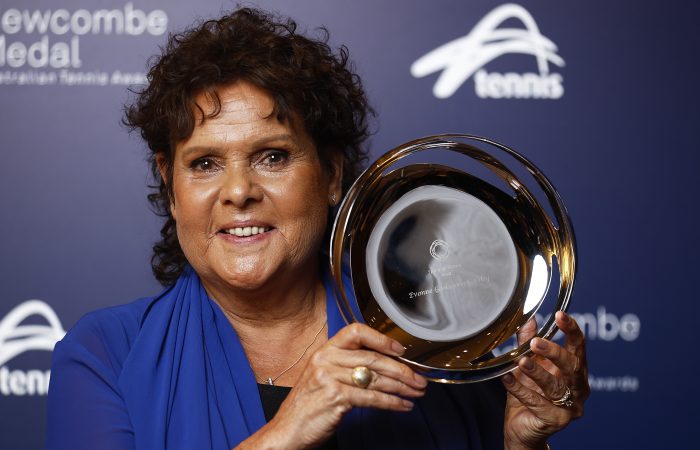
“Evonne Goolagong Cawley is a true legend of our game and an Australian icon. She is a household name renowned not only for her tennis prowess, but for her grace, humility, and inspiring work with Indigenous young people through her foundation for many years,” Australian Open Tournament Director Craig Tiley said.

Yvone Goolagong-Cawley grew up in Barellan, country New South Wales. She was one of eight children. Her mother Melinda was a homemaker and father Kenny a sheepshearer. Their simple one-story home was a tin shack with dirt floors and no electricity. But moreover, Goolagong was born into Indigenous Australian heritage, the only family of its kind in town, and as light-skinned members of the Wiradjuri people, the Goolagong kids faced prejudice, and faced a cloudy and uncertain future. The Australian government’s policy at the time was to forcibly remove indigenous children from their families and relocate them to camps where they could be properly educated and integrated into white society.   

Yvonne showed an early aptitude for tennis, joining the local tennis club at the age of seven. Her first racquet as a youngster was made from a wood fruit box that resembled a paddle — it was absent of any strings. For hours on end she would hit a ball against any flat surface she could find. It’s unlikely that she would have left Barellan if a kindly resident, Bill Kurtzman, hadn’t seen her peering through the fence at the local courts and encouraged her to play.

Goolagong-Cawley was a natural, free-flowing right-hander blessed with speed, lightning reflexes and a carefree temperament. Tipped off to this by two of his assistants, Vic Edwards, proprietor of a tennis school in Sydney, journeyed upcountry to take a look. He immediately spotted the talent that would eventually result in two Wimbledon, one French, and four Australian championships.

Goolagong Cawley was a trailblazer, becoming the first Indigenous player to win a major title, and in 1980 became the first mother in 66 years to win a Wimbledon singles title.

Almost four decades after her retirement, her passion for making a difference is still strong. The Evonne Goolagong Foundation proudly runs national development camps for Indigenous children across the country. Evonne has inspired countless others, particularly young Indigenous people, to pursue their dreams and continue their education, whether through tennis, sport or other endeavours

Posted in Matilda's, Memoir Writing, Narrative Therapy, Women's Health, Women's Stories

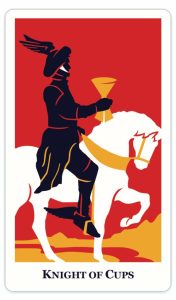
Knight of Cups – Kathleen Gorham

When the Knight of Cups appears in a Tarot spread it can mean that this person is romantic, idealistic, and often on a quest for emotional or artistic fulfilment. They are seen as the quintessential romantic figure in tarot, often associated with chivalry, charm, and the pursuit of the heart’s desires. The Knight of Cups person is typically driven by a deep longing for emotional depth and meaningful connections.

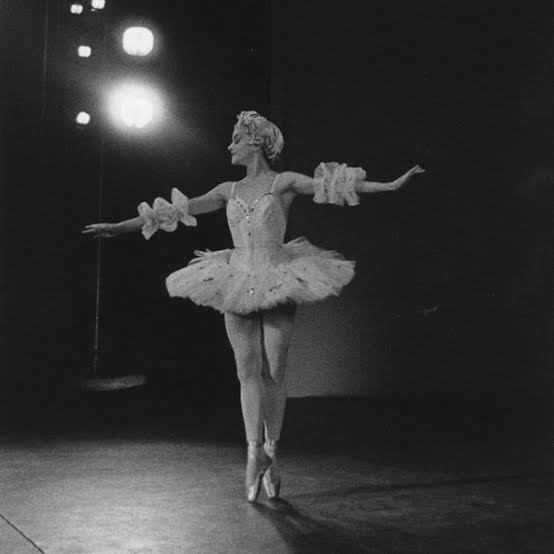
Kathleen Gorham was born in the New South Wales Riverina town of Narrandera on 7 September 1928.
Gorham made her first public appearance as Tiger Lily and a member of the ballet in Peter Pan at the Minerva Theatre at Christmas 1945.
A protégé of Leon Kellaway, she moved to Melbourne in 1946 to study under Madame Borovansky.

Kathleen Gorham was first and foremost a performer, from the flash of those great dark eyes to the tips of her long raven tresses,’ recalled William Akers, who was Borovansky’s stage director, and the Australian Ballet’s first production director. ‘Dramatic, capricious, temperamental and brilliant, she was always the entertainer, the public’s darling.

Gorham grew up in humble circumstances in the western suburbs of Sydney. Somehow her mother scraped up enough money to allow her to train with Lorraine Norton and Frances Scully. With other Scully students, Gorham made her first public appearance as Tiger Lily and a member of the ballet in Peter Panat the Minerva Theatre at Christmas 1945. A protégé of Leon Kellaway, she moved to Melbourne in 1946 to study under Madame Borovansky. Her travel was financed by fellow members of Uncle Tom’s Gang, a children’s radio show. She made her Borovansky Ballet debut in May 1946 as a Circassian lad in Schéhérazade.

in 1962 Kathleen Gorham became prima ballerina of the newly formed Australian Ballet Company. She played an important role in the artistic development of a recognisably Australian ballet company and danced new roles in association with Robert Helpmann. She was appointed Officer of the Order of the British Empire in 1968 for her services to ballet. Retiring from dancing after the Australian Ballet’s first overseas tour in 1966, she taught ballet in Melbourne and Southport, Queensland before her death in 1983 at a relatively young age.

Working with the Knight of Cups

The Knight of Cups is all about passion and emotion and how the two work together. It is the fire of the element of water, the bravery, and the confidence of being able to lay yourself open to the world and accept whatever may come your way. The Knight of Cups is about owning your vulnerability and not being afraid of it.

In the upright position, the Knight of Cups symbolises our hopes, desires, and deep motivations.

The Knight of Cups takes their journey very seriously indeed. It may even be all they do, as they are consumed by this experience of following their heart and soul. Kathleen Gorham began dancing at the age of seven but after an accident had to start over a year later. The commitment was clearly there!

What passion drives you? Test run this guided imagery to help design your dream life.

Posted in Matilda's, Memoir Writing, Narrative Therapy, Tarot Story Exchanges, Women's Health, Women's Stories

How Would You Waltz With A Matilda?

As the host of this interactive site I am endeavouring to redress the Matilda Effect by waltzing with Australian women, identifying Tarot cards that help tell their stories. However, there is no set way to Waltz with a Matilda. The main object is to redress the Matilda Effect and bring the achievements of diverse women out of the shadows.

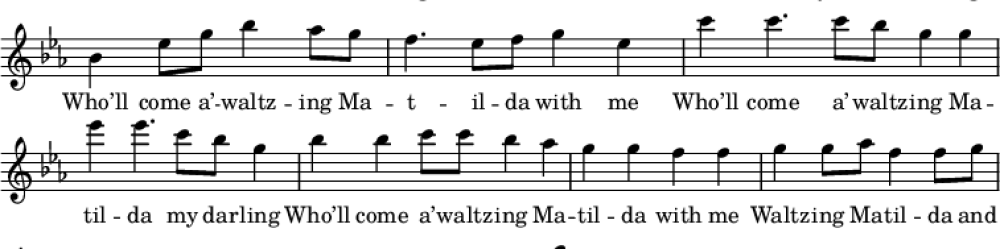
 Christina Macpherson’s story is just one example of the Matilda Effect as it applies in a more general sense. Her contribution to the iconic Australian ballad, Waltzing Matilda, was relegated to the shadows. It was Banjo Patterson who got to be immortalised and bask in the associated glory.

Despite the reference to the iconic, unofficial Australian anthem, you do not have to be Australian or profile an Australian woman to engage with this project. There is no requirement to use a Tarot deck if its not your thing. You are simply provided with an opportunity to redress the Matilda Effect by bringing the women’s stories out of the shadows in any way you deem appropriate

If you decide to engage I will link to your work and or feature your profiles on this site.

How will you fight the Matilda Effect and cast a spotlight on extraordinary women? Will you take the opportunity to devise your own dance and be featured here?

Waltzing with Matilda’s

  • The Dinner Party by Judy Chicago is an important icon of 1970s feminist art and a milestone in twentieth-century art. This installation comprises a massive ceremonial banquet, arranged on a triangular table with a total of thirty-nine place settings, each commemorating an important woman from history.
  • It is no secret that Aboriginal and Torres Strait Islander women are placed well down on the scale of relevance and importance in Australia. They are invariably the last to be recognised. Perhaps this is because of their tireless pursuit of rights and betterment for their people. This may explain why individual achievements are rarely important and why they are often overlooked and don’t receive credit where credit is due. This Listening Circle provides fourteen places to seat influential First Nations Australian women. This offers an opportunity for deep listening and to redress this lack of acknowledgement.
  • Christine de Pizan (c.1364-1430), France’s first professional woman of letters, confronted the misogynist view that view that female nature is wholly given up to vice.head-on in her seminal work, the City of Ladies
  • Waltzing with a Tarot Deck – Heather Blakey, a devotee of the Tarot, waltzes with Tarot decks and matches cards with a life experience or situation faced by an Australian woman. She is also the creator of this site!
  • Follow in the Conversations footsteps. Perhaps, like an archeologist, you will undertake a dig and unearth previously hidden stories about women. You might be inspired to write up a profile and have it published here.
  • Honour Maternal Ancestors: We all have heroines in our own family. They are our mothers, grandmothers, aunts and cousins. They are the women who survived all life’s challenges against all odds to provide for the family or the role models who showed us that family and hard work go hand in hand. Add to the honour role here. Share either a Tarot Profile or do feel free to your own thing.
  • Pacific Matildas: Finding the women in the history of Pacific archaeology, responds to the Matilda Effect. The project aims to investigate the scientific lives of the first women who conducted archaeological work in Oceania from the late 19th to the mid-20th century, and document their hidden contributions to the development of Pacific archaeology, to ensure their stories and legacies become part of broader narratives in the history of science. 
  • Sheila: A Foundation for Women in Visual Art. Known simply as ‘Sheila’, this foundation, honouring the contribution of Lady Sheila Cruthers, was launched in May 2019 and aims “to overturn decades of gender bias by writing Australian women artists back into our art history and ensuring equality for today’s women artists.”
  • More Ways to Waltz with a A Matilda
Posted in Matilda's, Memoir Writing, Narrative Therapy, Women's Health, Women's Stories

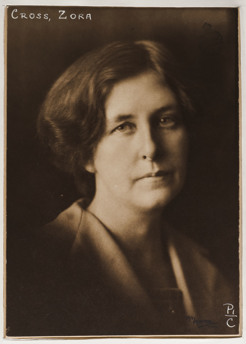
Ace of Cups – Zora Cross

The suit of cups is the one which calls for deeper work, for challenging ourselves and showing up for the necessary work of looking into our own hearts and souls and confronting the genuine desires that live there. The Ace of Cups may call us to do some kind of spiritual work. Think of Mystics like Julian of Norwich or Theresa of Avila whose love affairs wth their god are legendary.

When you draw the Ace of Cups you are presented with a seed that is waiting to grown and bloom. It is the card of feelings and emotions which may take the form of spiritual love. Of course spiritual love may take many forms and writing poetry is certainly one way for an artist to express that love.

Zora Cross had a voice which was impossible to ignore. In 1917 her book Songs of Love and Life caused a sensation when she opened her heart, let down any guard, was willing to be vulnerable and found a whole new level of self expression.

Here was a young woman who looked like a Sunday school teacher, celebrating sexual passion in a provocative series of love sonnets. She was hailed as a genius, and many expected her to endure as a household name alongside Shakespeare and Rossetti. But she didn’t! Her work fell into obscurity until Cathy Perkins recently performed a kind of CPR with her book The Shelf Life of Zora Cross.

Zora Cross had a remarkably productive writing life, and was part of Sydney’s bohemian literary scene between the two world wars. Apart from journalism and editing work, she produced five poetry books (one of them for children), six novels (two as serials in the Sydney Morning Herald), a book of essays on Australian literature, and a number of plays. Many of her poems appeared in newspapers and have never been collected, and she spent her last years working on an ambitious series of novels set in ancient Rome that were never published.

Draw upon the energy of the Ace of Cups

Is it the right time to take note of those unspoken feelings, open yourself to emotions and intuition and draw upon those inner waters that run so deep?

How would your life feel if you approached everything with a completely open heart and permitted yourself to be visibly vulnerable?

Double dare! Using all those senses you were gifted with, write an erotic poem expressing your intense love of a vegetable!

Cathy Perkins spent ten years researching The Shelf Life of Zora Cross. This is true passion! What can you imagine devoting as much time to?

Posted in Matilda's, Memoir Writing, Narrative Therapy, Women's Health, Women's Stories

King of Pentacles – Nicola Forrest

Here is a person who has achieved great things. Someone wealthy, whether that means materially rich, or simply very comfortable in their own life. This person has all that they need.

Implicit in this vision of success is a lot of hard work. The King of Pentacles is not someone who has simply happened upon great fortune, but who has worked for many years. They have been through the many trials of the suit of pentacles, the ups and the downs.

Andrew (Twiggy) Forrest overtaken by woman of now independent means.

Nicola Maurice grew up on a farm in “beautiful country” between Mudgee and Dubbo in central western NSW. The family raised sheep, Hereford cattle and grew wheat. The farm remains in family hands, run by one of her uncles.

In an interview with the Financial Review she shared that she had a great childhood and that her horse was her best friend. She recalled how they all worked on the farm and that this helped ground her in reality as she saw the confronting hardships in the life cycle.

In hindsight, she felt that she left the farm with a naive view that all Australians start out with an equal chance in life. However, life has taught her that many kids don’t get a fair chance and this has driven her passion for a nationwide boost in early childhood learning.
Read more of this article by Brad Thompso

In a television exclusive, Undercover Billionaire, Nicola Forrest steps out of the shadow of her at-times controversial husband, mining magnate Andrew “Twiggy” Forrest, to explain the very personal motivation behind the family’s philanthropy.

After their third child, Matilda, was stillborn Nicola Forrest felt driven to help other families, funding research and programs aimed at helping “all Australian children reach their full potential”.

Posted in Matilda's, Memoir Writing, Narrative Therapy, Women's Health, Women's Stories

Knight of Pentacles – Isobel McBryde

The Knight of Pentacles is not the high octane action kind of person. This individual is happy to patiently lay down the foundations for whatever plans are afoot and is prepared to patiently put one foot in front of the other and take their time. This Knight is prepared to invest laborious hours of hard work.

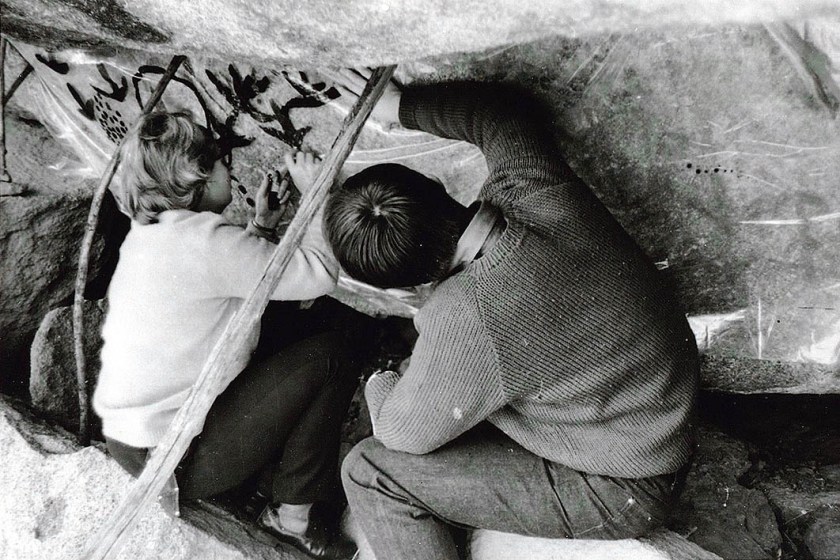
“Complete, systematic and objective”: Isabel McBryde and Richard Roberts recording rock art at Mount Yarrowick in 1966. Courtesy of Isabel McBryde featured in this Inside Story.

Archaeologist Isabel McBryde, who roamed the landscape of northern New South Wales in the 1960s in search of rock art and ceremonial grounds, scarred trees and surface scatters, middens and massacre sites, rock shelters and quarries. Known affectionately as the Mother of Archeology in Australia.

One of the most inspiring things about Isabel’s research is its social nature. She was interested in a holistic, peopled past and she combined archaeological and ethnographic research in a manner that no-one before her had done, but that is now a feature of the archaeological discipline in Australia. Isabel wasn’t just interested in academic pursuits, she was deeply committed to developing strong, mutually beneficial relationships with Aboriginal communities and was involved in developing fundamental legislative protection for cultural heritage within Australia and internationally, too.

Isabel’s pioneering approach to community archaeology is recorded in this wonderful reminiscence by Dr Mary-Jane Mountain, who writes about her involvement with the famous find of Mungo Lady, the earliest known anatomically modern human inhabitant of Australia, and the negotiation of the return of her remains.

“One of the distinctive things that Isabel did was to involve local communities and their historical societies in her work. This was time consuming work, but just so important.

Time consuming because her growing network of informants across New England expected responses. Important not just because of what she learned, but because she was educating key individuals and indeed entire communities in the importance of recognising and preserving Australia’s Aboriginal heritage”.

From Personal Reflection Belshaw Blog
Posted in Matilda's, Memoir Writing, Narrative Therapy, Women's Health, Women's Stories

Knight of Wands – Aretha Brown

This knight is all ego. Bold and brash they storm into the centre of things, ready to show the world how great they are. They have that kind of rakish attractiveness about them, something about how wild they seem.

This can be really fun! It’s good to have the Knight of Wands around, they’re fun at parties and know how to get the crowd going. It’s also good to be around this kind of confidence – the Knight of Wands isn’t afraid to take the first step and get things moving, inspiring others to come along.
Little Red Tarot

Aretha Brown was born in Melbourne on 11 November 2000. She is the daughter of rock frontman Paul Stewart, of the Painters and Dockers, and the contemporary Indigenous artist Donna Brown.

At just 23 Brown already has years of activism under her belt, and there’s plenty more to come. The queer artist advocates for young Indigenous people in her home country of Australia through community organising, public speaking, and her art practice.

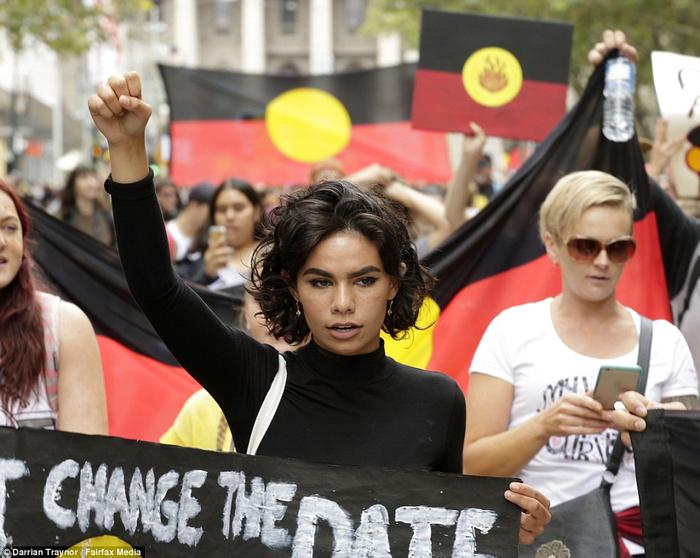
She first hit national headlines at 16, for her speech at an Invasion Day rally (also known as Australia Day, a celebration of the nation’s founding) in Melbourne, saying: “too long have Aboriginal people been talked about, rather than talked to.” Aretha’s impassioned campaigning and fight to make indigenous history education mainstream led her to be elected the only woman – and youngest ever – Prime Minister of the National Indigenous Youth Parliament in 2017. Since then, her activism profile has grown steadily, with her speaking at the Sydney Opera House at the All About Women festival in 2019.

Her activism is only one part of the impact she’s making: Brown’s art is inspired by her home in Melbourne’s Western Suburbs and her journey as a queer teenager. Her first painting “Time is our our Side, You Mob” 2018 (shown) was selected for the 2019 Top Arts exhibition at the NGV.

Brown has appeared on ABC Radio Melbourne, the national ABC News Breakfast program and on NITV talking about her achievements in Canberra. In 2017, Brown appeared in the ABC TV documentary Advice to My Twelve Year Old Self, about Australia’s female leaders.

Posted in Matilda's, Memoir Writing, Narrative Therapy, Women's Health, Women's Stories

Nine of Wands – Stella Young

If the Nine of Wands appears in a Tarot spread as a person, that means that this person is resilient, guarded, and often represents perseverance despite challenges. They are recognized for their ability to endure and persist, often standing firm in the face of adversity. The Nine of Wands person is seen as a figure of strength and resilience, having overcome numerous obstacles and continuing to stand their ground.

Stella Young was born on the 24th of February 1982 in Stawell to Lynne and Greg Young. She was born with the genetic condition Osteogenesis Imperfecta, which she described simply as ‘dodgy bones’.

She began studying Journalism at Deakin University at the age of 17 and soon became an avid voice within the disability community. Referring to herself as a ‘crip’, Stella controversially challenged people in the way they perceived disability and what it means to live as a disabled person. She described ‘crip’ as a liberating word; a term that seemed to horrify people but that made her feel strong and powerful.

For eight seasons Stella hosted award winning disability culture program No Limits, a show dedicated to open and honest discussion about disability. No Limits won the Human Rights Commissioner Award for television for giving people with disabilities a voice in the media and creative control over their representation.

In 2010 Stella joined the ABC as the editor of Ramp Up, an online portal and discussion platform for disabled people. Ramp Up deconstructed society’s habit of turning disabled people into stereotypes.

The concept was further popularised in 2014 with the TEDxSydney talk “I’m not your inspiration, thank you very much.”

Stella made her solo debut at the Melbourne International Comedy Festival in 2014 with her show ‘Tales from the Crip’, a performance that won her Best Newcomer. Stella was able to use comedy to tell witty anecdotes about her experiences as a disabled woman and to evoke social change.

In addition to her writing and comedy, Stella was a member of the Victorian Disability Advisory Council, the Youth Disability Advocacy Service and Women with Disabilities Victoria.

Prior to her death, Stella wrote of how she wished to be remembered. “I am not a snowflake. I am not a sweet, infantilising symbol of fragility and life. I am a strong, fierce, flawed adult woman. I plan to remain that way, in life and in death.”

Stella’s legacy continues to challenge, educate and strengthen society and its perception of disability today.

Posted in Matilda's, Memoir Writing, Narrative Therapy, Women's Health, Women's Stories

Two of Wands – Shirley Randell

If the Two of Wands appears in a Tarot spread as a person, that means that this person is at a crossroads, making plans and considering options for the future. They are characterized by a sense of anticipation and potential, as they weigh different paths and possibilities. This individual is often in a phase of life where significant choices are being made, shaping the trajectory of their future.

The Two of Wands reminds us that when we want to make progress in life and relationships, we have to take that first step into the unknown. We don’t get what we want by just thinking about it and keeping it as an idea in our heads.

At 55, when Shirley Randell was made redundant from a local government position, she might have looked for other roles in the public service. Instead she considered overseas positions and into her seventies, having worked all over the world for a few decades, was engaged in development work in Bangladesh.

In 2019 Shirley Randell is a Member of the Order of Australia, having received the Officer of the Order (AO) award in 2010 for her services to international relations through education, public sector, institutional reform and economic empowerment of women in Australia, the Pacific, Asia and Africa.

She is a member of many important boards and committees including the Australian Government Women’s Alliance – Economic Security for Women and the indigo foundation. An Ambassador of Dignity Ltd, the Australian Centre for Leadership for Women, Women’s International Cricket League/FairBreak and The International Alliance for Women, Shirley Randell is also a member of the Independent Scholars Association of Australia Council, Graduate Women International Projects Committee, and sits on the several editorial boards including the BioMedical-Central Women’s Health Journal.

Posted in Matilda's, Memoir Writing, Narrative Therapy, Women's Health, Women's Stories

Ace of Pentacles – Lillian Wightman

The Aces in the tarot are all indicative of new beginnings. When you draw any of them, it means that you are at a point in your life where a new cycle is beginning – you are about to start afresh. Because the suit of pentacles is primarily concerned with all things material (not just financial, but also with the sensual), this reset could manifest itself as a new career, the undertaking of a new venture, or the start of putting more care into your health. Wherever this beginning takes place, the Ace of Pentacles assures that what is to come will bring great abundance and opportunity. 

Ms Wightman was all about fashion. She had been described alternatively as the dowager empress of Collins Street, Melbourne’s first lady of couture, even Luxury Lil. It has been said that she had dressed more society ladies and debutante daughters than any other couturier in Melbourne.

In 1918 while trying on a bridesmaid’s dress at the exclusive Melbourne fashion boutique of G. H. V. Thomas, Lillian Wightman so impressed the proprietor with her suggested redesign of the dress that he offered her a job as a salesgirl. She learned how to manage an atelier, to engage the customers, and to recognise quality.

In 1922, in her twenties, Wightman undertook an exciting new venture. She borrowed one hundred pounds from her father and opened her own salon in Howey Place. It was situated in a series of laneways in the fashionable city block bounded by Elizabeth, Collins, Bourke, and Swanston streets, where society ladies would come to ‘do the block’—to shop, lunch, and be seen. She named her salon ‘Le Louvre’ as she believed Paris to be the heart and soul of fashion, sophistication, and style.

The rest is history! From this seed grew an icon! Le Louvre signified everything Australia wasn’t. With polished copper framing its wide windows, the fashion house came to represent not just a very exclusive form of retail therapy, but the Melbourne establishment itself. Tulle draped across the windows veiled offerings from the hoi polloi. It was old-money, high-class and very exclusive.  It was in Wightman’s realm that Melbourne’s version of the “carriage trade” – many of them daughters and wives of wealthy Western District farmers – promenaded in their finery, an exercise known as “doing the Block”. Those people would come for the afternoon and they would buy what they called their trousseau for the season – six or eight outfits and hats. They would all sit here on the sofa. They would have cups of tea or if they needed something a little stronger, they would get that.

‘Buying 74 Collins Street wasn’t a big step,’ said Wightman. ‘I didn’t even think about it. It was an old doctor’s home and I pulled a lot of the guts out of it. The lane is cobble-stoned, and the fitting room was the kitchen, it still has the hearth stone in it. Above it was the loft where they threw down the hay for the doctor’s horse. It is one of the oldest remaining buildings in Melbourne made of handmade bricks.’ . . . In the 11 years in Howey Place I had built up a business which had fantastic snob value, always has had. . . . You’ve got to aim high to rise. I wanted to go to the top end of Collins Street and own my own business. . . .” (from Farmar Families.) 

Wightman maintained her modus operandi: private clients, including Nellie Melba and Vivien Leigh, appointments preferred, discretion guaranteed. NGV features a collection of some of her garments.

Posted in Matilda's, Memoir Writing, Narrative Therapy, Women's Health, Women's Stories

Keelan Mailman – Two of Pentacles

This card which depicts a figure juggling is familiar to many people around the world. For so many, especially women, life is literally a juggling and balancing act. It is a challenge to balance duties, time constraints and the need to provide basic needs. This card speaks of seemingly mundane aspects of daily life such as raising a family, going to work, cooking, going to school and so the list goes on.

In her unflinching autobiography, the Power of Bones, the warmth of Keelen’s personality, her determination and her irresistible humour shine through. Her capacity to balance and juggle so many duties is nothing short of extraordinary.

It looked bleak and predictable for little Keelen Mailman. She had an alcoholic mother, and absent father, faced the horrors of regular sexual, physical assault and the casual racism in a small outback town in the sixties.

But somehow, despite the pain and deprivation, the lost education, she managed to absorb her mother’s lessons: her Bidjara language and culture, her obligations to Country, and her loyalty to her family.

So it was no surprise to some that a girl who could hide for a year in her own home to keep her family together, run as fast as Raylene Boyle and catch porcupine and goanna, would one day make history.

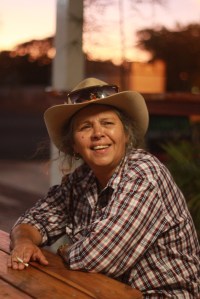
At just 30, and a single mother, Keelen became the first Aboriginal woman to run a commercial cattle station when she took over Mt Tabor, two hours from Augathella on the black soil plains of western Queensland. This cattle station is in the heartland of Bidjara country, the place her mother and grandparents and great-grandparents had camped on and cared for, and where their ancestors left their marks on caves and rock walls more than 10,000 years ago.

For 17 years Keelen Mailman lived and worked Mount Tabor, a cattle station subject to Native Title, mending and building fences, putting out salt licks for the cattle, protecting sacred sites, teaching the next generation and caring for family.

She was also instrumental in a 7 year struggle to reclaim Aborigine bones from a museum to return the bones to the land. Keelen is an experienced advocate for her people, both the living and the dead.

Posted in Matilda's, Memoir Writing, Narrative Therapy, Women's Health, Women's Stories

Edna Walling – Three of Pentacles

The Three of Pentacles is the card of the master craftsperson. It conjures images of someone who is highly skilled in their area of expertise. The individual has achieved the highest level of knowledge and ability in their chosen field. Unlike the Swords which speak of intellectual knowing this card is closely connected with the arts.

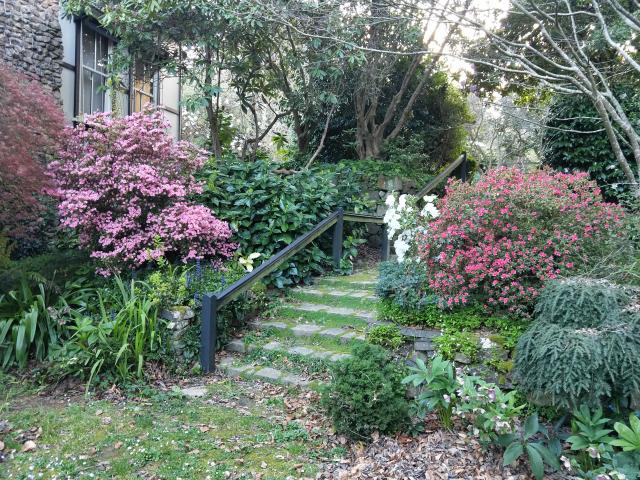
Edna Walling is arguably Australia’s best-known and most influential garden designer. In gardening and landscape design circles, Walling is considered royalty.

Walling began her career in 1919 after graduating from Burnley Horticultural College. She sought to achieve a unity between house and garden, and was influenced by Italian and Spanish gardens in her use of pergolas, walls, steps and paths.

Walling designed and constructed many well-known private gardens in Australia in the mid-20th century, for clients such as Dame Nellie Melba, Dame Elisabeth Murdoch and Sir Frank Packer.

A prolific garden designer, writer, photographer, water colourist and passionate conservationist, Walling introduced Australians to a different way of gardening – one where perennials and hardy shrubs replaced bedding annuals, beautifully proportioned stone walls, pergolas and stairs provided architectural framework, and plants such as forget-me-nots and foxgloves were encouraged to self seed. Her gardens became intimate and tranquil spaces for their owners.

Not only did she pioneer the use of native plants and initiate her own urban development while still in her mid 20s, throughout her life Walling also wrote prolifically on gardening for magazines and books. Her designs, both formal and informal, can be seen in gardens throughout southern Australia, many of which were early examples of sustainable gardens, favouring drought hardy native plants over introduced species.

Four of Walling’s books were published in her lifetime and a fifth posthumously in 1984. She contributed hundreds of articles to The Australian Home Beautiful from 1925 to 1947 and left several unpublished manuscripts, now held in the Library’s manuscript collection. One of these, ‘The happiest days of my life’, is a personal account of the building of her beach house above the Great Ocean Road near Lorne.

Leaving a Legacy

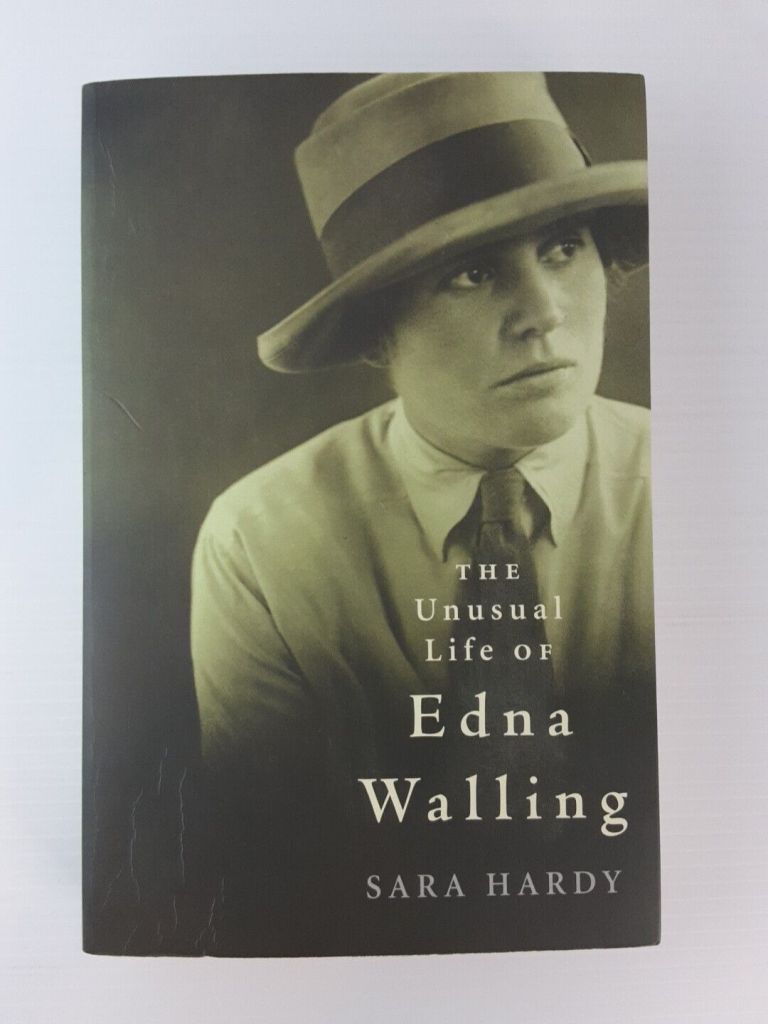
Despite the fact that Walling was a fabulous self-publicist and a very unusual woman in her time, her private life has remained a mystery.Actress and playwright Sara Hardy was compelled to find out what made Edna tick when she was cast as Miss Walling in a play in 1989. Keen to research her character, she discovered that the available material was all about the gardens. And so began a journey of discovery. Hardy has unearthed amazing primary sources: letters, photographs, stories told to her by Edna’s niece, and has been wholeheartedly supported in her quest by the two main documenters of the gardens, Peter Watts and Trisha Dixon.

Walling leaves a rich legacy! Today, Edna Walling’s landscaping legacy continues to influence contemporary designers.

What would the title of a book about you be? What would you like your legacy to be?

Posted in Matilda's, Memoir Writing, Narrative Therapy, Women's Health, Women's Stories

Six of Swords – Kay Cottee

Journeys, travel, guidance, searching, quests, treasure, death, transition, movement

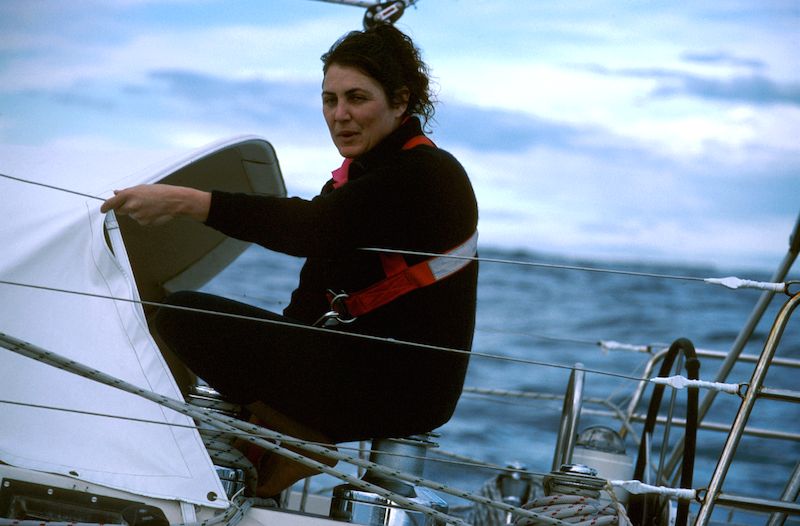
Australian Kay Cottee sailed her 11.2-metre yacht Blackmores First Lady out of Sydney Harbour hoping to be the first woman to circumnavigate the world alone, without stopping, without assistance, by way of both hemispheres and the five southernmost capes.

Over the next 189 days, she experienced the incredible beauty, discomfort and terror of solo sailing in the Southern Ocean. Her yacht was knocked down several times, including once off the southern coast of Africa in 100-knot winds and 20-metre seas. Washed overboard, she was saved by two safety lines.


“Kay Cottee AO inspired generations of female sailors when she became the first woman to sail unassisted, non-stop around the globe via both hemispheres,” said the Selection Panel in announcing her induction. “To this day, Cottee remains an inspiration to people of all generations across the globe.”

On 5 June 1988, after 189 days at sea, Cottee returned victorious: the first woman to achieve this feat (and the fastest woman around the world). She was greeted by more than 100,000 well-wishers as she sailed into Sydney Harbour. She had sailed 22,100 nautical miles at an average speed of 117 nautical miles per day (the fastest by a woman) and set seven world records. Kay was named the 1988 Australian of the Year and made an Officer of the Order of Australia.

Posted in Matilda's, Memoir Writing, Narrative Therapy, Women's Health, Women's Stories

Geraldine Doogue – Page of Swords

Geraldine Doogue is one of Australia’s most accomplished and versatile journalists, excelling in print, radio and television. At the ABC and Channel Ten, she presented and reported for national news and current affairs television programs. On ABC radio, as host of Life Matters and then Compass for 30 years, her soothing voice and sharp mind brought relevance and meaning to the challenging subjects of faith, spirituality, religion and ethics while never adopting a preaching approach.

As with all pages, this is a card of curiosity. The Page of Swords is an explorer of the mind, of thoughts, ideas, plans. This is a person who will climb a mountain, for the sake of seeing the view. They want to know where they are – but more importantly, they want to know why.

The Page of Swords seeks answers. They may be a student, particularly a academic learner, or someone studying books or words. Remember that swords are the suit of communication. This is also the suit of logic, and this page likes to figure out what is going on.

Ever hungry for new perspectives, the Page talks to others, asking questions, gathering a range of views. They want to hear it all. As a ‘child’, a degree of naivety may be present here, as the Page of Swords is like a sponge soaking up everything around them, perhaps neglecting to work out what their own take on things is.
Source: Little Red Tarot

Posted in Matilda's, Memoir Writing, Narrative Therapy, Women's Health, Women's Stories

King of Swords – Vida Goldstein

Structure, routine, intelligent, rational, logical, power, authority, strength, manners, conversation, discerning, detached, cool, honesty, integrity, ethics, morals, clinical, stern, methodical, self-discipline, head over heart, use your head, military, law enforcement, legal matters, judge

Goldstein was a speaker, writer and campaigner. Throughout the war she was an ardent pacifist, became chairman of the Peace Alliance and formed the Women’s Peace Army. She recruited Adela Pankhurst, recently arrived from England as an organiser.


Throughout the 19th century and into the early 20th century, most men – and some women – believed that a woman’s place was in the home, looking after her husband and children. The idea of women having a political voice was laughable, and furthermore, the concept of a female politician was unheard of.

One of the leading advocates for women’s rights in Victoria was Portland, Victoria-born suffragist Vida Goldstein. Throughout the late 1800s and early 1900s, Goldstein campaigned strongly for women’s equality, including universal suffrage and equal pay for equal work.

When Goldstein began her career in the 1870s women had no right to buy property, so Vida lobbied for a change to that law. She also ran a co-ed primary school, founded the monthly publication Women’s Sphere, launched the weekly publication The Women’s Voter, and was a founding member of the National Council of Women.

Here, we meet a person who is steadfastly confident in their beliefs. A profoundly fair person, to the point that there is no space for grey areas between the black and the white, the King of Swords lays down the law.

In 1903 Goldstein became the first woman in the British Empire to stand for election in a national parliament. She tried five times over 14 years to be elected to the Senate, with her last attempt at a seat in the House of Representatives in 1917. But while voting numbers showed her increasing popularity, she was never elected to office.

The mid-1900s saw some minor landmarks for women’s political rights. However, it was not until after 1980, when Susan Ryan became the first woman cabinet minister, that the federal Sex Discrimination Act 1984 was passed.

The Act made it illegal to discriminate against anyone based on their gender, marital status or family responsibilities. It was a huge step for Australia’s women’s rights movement.

Vida died from cancer in 1949, so she wasn’t able to see the result of her efforts, but her contribution to women’s political rights in Victoria remains as important today as it was in the early 20th century.

Posted in Matilda's, Memoir Writing, Tarot Story Exchanges, Women's Health, Women's Stories

Gina Chick – Three of Swords

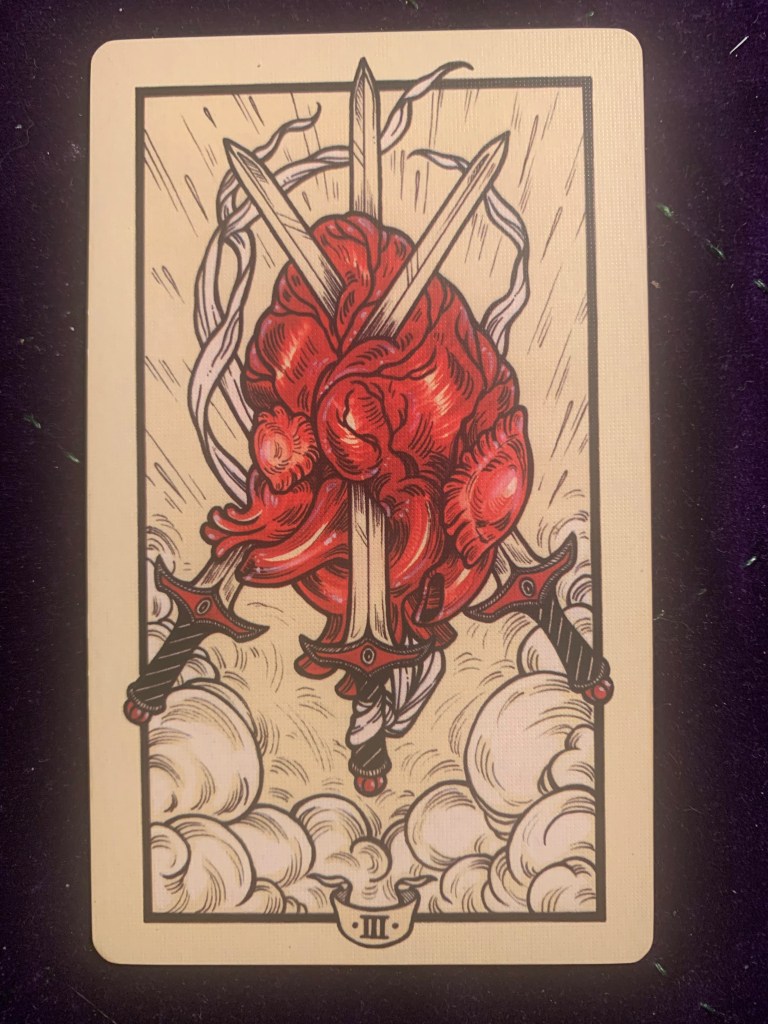
One of the most iconic images in the tarot, the Three of Swords displays a floating heart that is pierced by three swords. Above it, there are heavy clouds. There is also a heavy downpour in the background. The symbolism is pretty opaque, and the emotional effect that it has is immediate. The heart is the seat of warmth, affection and spirit, and the three swords indicate the power to harm, cause pain, and create suffering to what it pierces. This is an image of grief, loss and literally heartbreak. The clouds and rain depict the surrounding grimness of the situation. All these symbols point to the Three of Swords showing a low point in one’s life.
source: Labyrinthos

From the Fyodor Pavlov Tarot

Gina Chick, a rewilding facilitator, was the first woman to win Alone Australia, the survival show in which contestants compete for a big cash prize after being dropped in remote wilderness to survive (alone) for as long as they can. 

While her journey in the wild was inspiring it was her vunerability, her willingness to share her dance with traumatic loss and grief and the loss of her infant daughter to cancer which captured the imagination of Australians.

Processing Loss and Grief

Let us be clear! There is no set way of processing loss and grief and there are no timelines that one can observe. The ideas presented here are just ideas, processes that have helped some, but not all.

Use a spread to open a fresh window of perspective.

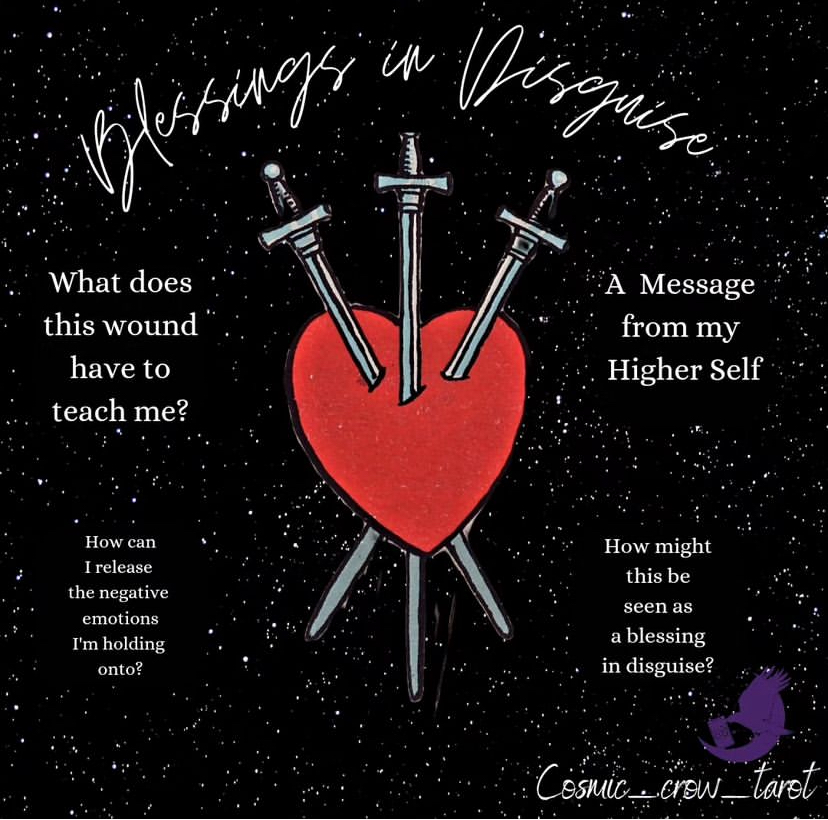
If you are a devotee of Tarot and Oracle cards you can lay down the Three of Swords in the centre and pull four cards. There is no magic involved. It is a simple reality that when you look at the images in the cards nuances and points of reference may rise up that help clarify the matter.

Make a Battle/Scar Cloak

In her book Women Who Run With The Wolves in Chapter 13, Clarissa Pinkola Estes writes about Battle Scars and describes a process she uses in workshops. She shows women how to make a full length scapecoat from cloth or other material. This coat details in painting and writing and with all manner of things pinned and stitched to it, all the name calling a woman has endured, all the slurs, all the traumas, all the wounds, all the scars.

Of course this coat may become so heavy that you need a chorus of Muses to carry and sing over it but I think you get the idea! It helps heal!

Posted in Matilda's, Memoir Writing, Narrative Therapy, Women's Health, Women's Stories

Five of Swords – Juanita Nielsen

The Five of Swords Tarot card comes with a warning as it can signify hostility, aggression, intimidation and violence and as such it can represent situations we would hope to never encounter in our lives such as crime, theft, bullying, abuse, assault, rape, murder. 

Juanita Nielsen, a member of a prominent Sydney family, was a passionate activist and journalist. She lived in a terrace house in Victoria Street, Kings Cross, Sydney, and her father bought her a local newspaper called ‘Now’ which she published from her home.

There are some battles which put our lives at stake and taking on F.W. Theeman was one of them. Juanita conducted a vigorous editorial campaign in support of the ‘green ban’ movement against the redevelopment of Victoria Street by Theeman’s real-estate company, Victoria Point Pty Ltd. With her neighbour and trade-union activist Jack (‘Mick’) Fowler, she played a prominent role in mobilising residents against the demolition of Victoria Street’s historic terraces and the eviction of their tenants.

On 4 July 1975 after visiting the Carousel (previously Les Girls)—a transvestite nightclub and underworld haunt at Kings Cross—on advertising business vanished and was never seen again. During initial investigations, police uncovered information relating to a conspiracy to kidnap Ms Nielsen on Monday 30 June 1975 – four days prior to her last known sighting.

The “Five of Swords” in Tarot typically represents conflict, defeat, and betrayal. It can indicate a situation where someone has come out on top at the expense of others, often through manipulation or deceit. This card encourages reflection on whether the victory is worth the cost and advises against seeking success at the expense of others.

Attempts to find her or her corpse have proved fruitless and no one was ever charged with her murder. Despite public outcry, the mystery remains a major case in the annals of unsolved Australian crimes and has been the subject of podcasts and television programs. There is a significant reward for information that will finally provide some closure, especially for extended family.

The Five of Swords represents a conflict or tension between individuals, which, if not resolved, will be a no-win scenario for everyone involved. This card symbolizes loss, betrayal, weakness, and the realization of limitations, which often stems from the desire always to come first, which is the root cause of the conflict, to begin with.

Much of Victoria Street was saved, but Juanita paid the ultimate price. She is remembered as a fierce advocate of community values and fighter against corruption. Her small terrace house at 202 Victoria Street is now heritage listed.