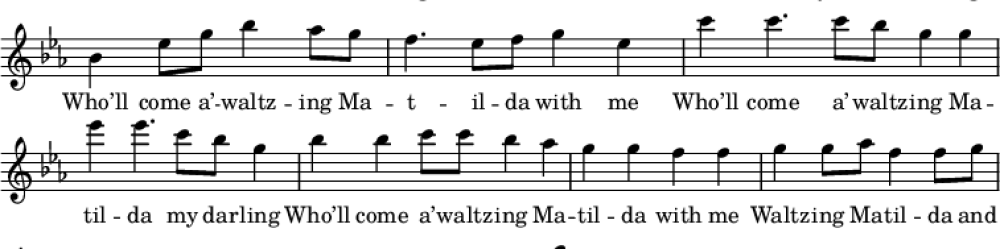
“Emotion and imagination can produce wonderful visions, but without grounding in both action and the outer realities of life these fantastic images remain daydreams, ‘fancies’ without real meaning or value. … They lack meaning because they don’t connect to anything outside of themselves”.
Rachael Pollack
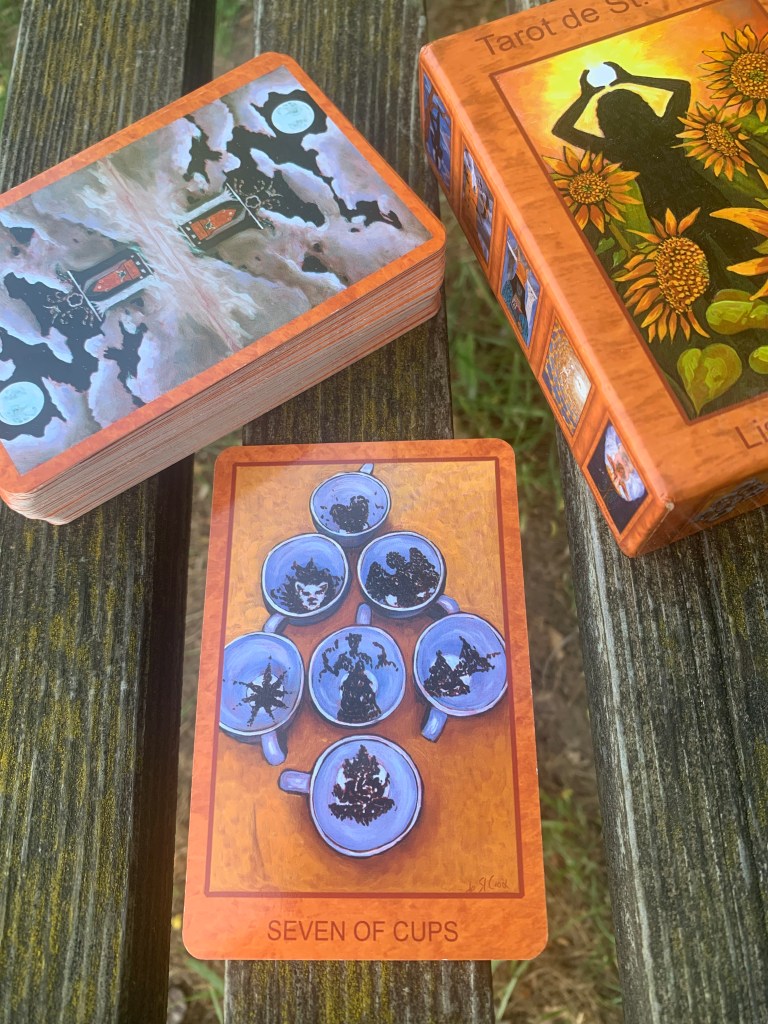
Traditionally the Seven of Cups shows cups filled with various gifts. Biddy Tarot writes that “some cups bear desirable gifts such as jewels and a wreath of victory. But others hold gifts that are not gifts at all; instead, they are curses, such as the snake or dragon. The clouds and the cups symbolise the man’s wishes and dreams, and the different gifts inside suggest that you need to be careful what you wish for as not everything is as it seems”.
By contrast, this rendition by Lisa de St Croix features tea leaves, which she notes depict fantasies, hopes and dreams. In a world where material wealth is so unevenly distributed its worth taking moment to introduce seven Australian philanthropists in the hope that something flows from their cups of generosity and commitment. Be in no doubt! These women acted on their dreams.
Australian women’s philanthropy has its roots in charitable work. Nineteenth-century women who, like Lady Clarke, were able to supplement their voluntary work with large financial contributions were few and far between, and were inevitably the wives and daughters of wealthy men. Australia did not have the aristocratic wealth of the United Kingdom, where Baroness Angela Burdett-Coutts gave away close on £3 million before the turn of the century. Nor did it have the vast wealth of the industrialising United States, allowing twelve women philanthropists in Chicago alone to give nearly $800,000 to charitable causes in the 1880s.
However this is not to diminish what Australian women have contributed to Australian society.
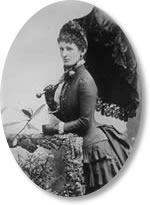
Janet Marion Clarke was born in 1851, the eldest daughter of pastoralist and later parliamentarian Peter Snodgrass and his wife Charlotte. Educated, apparently at home, in literature and the classics, she rose to prominence in 1873 when she became the second wife of wealthy pastoralist, William Clarke, who had previously employed her as a governess to his children. Schooled in her responsibilities by Lady Bowen, wife of the Victorian Governor, she used the family property at Rupertswood and their East Melbourne mansion, Cliveden, to establish herself as a society hostess. By the beginning of the twentieth century, the now widowed Janet, Lady Clarke was at the head of many philanthropic enterprises in Melbourne. Bestowed with the title, Lady Bountiful, Janet Marion Clarke was upheld as the ultimate example of beneficence in a human being.
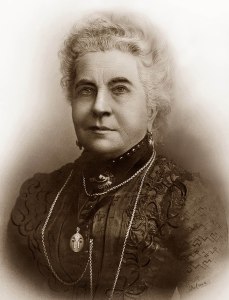
Lonely and in many ways shy, Ann Fraser made few close friends, but to those in need, especially the Aboriginals, she showed compassion and generosity. Dispossessed members of the Taungerong tribe had found a refuge at Wappan; in the 1860s they were resettled at Coranderrk near Healesville, but on their annual return for shearing they kept Mrs Bon informed of their treatment by the Board for the Protection of the Aborigines. Her home at Kew was a refuge for the sick and needy and she regularly visited Aboriginal patients in Melbourne hospitals.
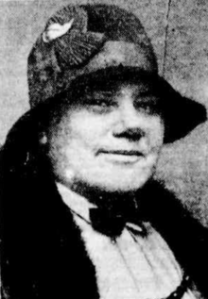
Dr Lucy Gullet may have been a socialite but she was also a socially conscious woman. Lucy Gullett ran a private practice in North Sydney from 1912. She was a physician to the Renwick Hospital for Infants 1918-1932 and founded the New South Wales Association of Registered Medical Women in 1921 and the Rachel Forster Hospital in 1925. The Rachel Forster Hospital, offered training for female medical students and catering to the needs of ‘home-tied’ mothers.
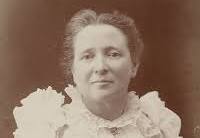
Initially directing her philanthropy towards saving infant life, in 1874 Lady Mary Windeyer supported a foundling hospital—to ‘remove temptation to infanticide’—and its reorganization in 1875 as a home (later Infants’ Home, Ashfield) for destitute and homeless new mothers, provided they remained in residence to breastfeed their babies. For older children in need of care, she favoured ‘boarding out’ from orphanages, a system which her friend Caroline Emily Clark had begun in South Australia.
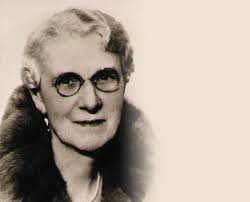
Mary Raine’s story is inspirational. Her humble beginnings were an unlikely launching pad for the success and wealth she came to achieve in her lifetime. Through hard work and the application of business acumen rarely seen in a woman in the early years of the 20th century, Mary Raine went on to build a large real estate empire.
She was a visionary and saw the establishment of the Raine Foundation as a unique opportunity for her life’s work to live on in perpetuity – to grow and develop into something more important and more valuable than the business success and wealth that she had personally achieved. She did this by giving scientists and clinicians the means and opportunity to embark on medical research and to seek answers to questions that were not known in her lifetime. This gift has seen outstanding results and better health outcomes in medical research and will continue to grow and benefit future generations of medical scientists while providing better health outcomes for the general community.
Una B. Porter (née Cato) was a renowned psychiatrist, philanthropist and devotee of the Methodist Church in Melbourne, Victoria. She was the first female member of staff at Ballarat Mental Hospital in 1946. In 1963 she was elected World President of the YWCA and travelled extensively. In recognition of her services to the community she was appointed Officer of the British Empire (OBE) in 1961, and Commander of the British Empire (CBE) in 1968.
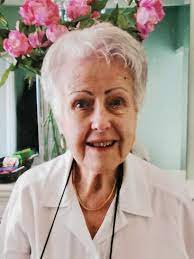
Meriel Wilmot-Wright has dedicated her life to making the world a better place. Wilmot-Wright was the first full-time research officer appointed by an Australian foundation. She transformed the Foundation and the nature and administration of philanthropy in Australia. Most notable was the introduction of the concept of seed funding, providing an initial grant and persuading others to continue support for particular projects, such as the Aborigines in Australian Society Project, subsequently continued by the Social Science Research Council.
In 2021, aged 100, she ensured her legacy of giving will last for generations by leaving a gift to her own Named Fund.


