The Five of Coins, or the Five of Pentacles is a card when upright means to lose all faith, losing resources, losing a lover (mostly shows up when you’ve had a breakup), and losing security whether financially or emotionally (or both).
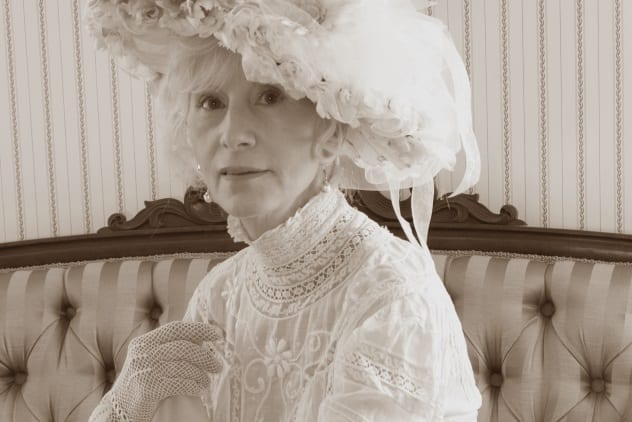
Did Sydney’s reclusive Eliza Donnithorne inspire Charles Dickens when he wrote Great Expectations or was it someone else?
When Pip meets the jilted Miss Havisham in Great Expectations she is dressed in her decaying wedding attire, presenting a terrifying blend of waxwork figure and living skeleton.
Born in South Africa’s Cape of Good Hope in 1821, Eliza was the youngest child of James Donnithorne, a judge and merchant in the famous East India Company, and grew up in Calcutta. Tragedy struck in 1832, when Eliza’s mother and two teenage sisters died during the city’s cholera epidemic. At age 63, Judge Donnithorne retired to Australia, arriving in Sydney on September 10, 1838.
Donnithorne moved to Australia during the 1840s to be with her father, who had been also been an official of the East India Company. Eliza had formed an attachment to a young man of whom her father disapproved, and after resisting his attempts to split them up, the couple set a date for the wedding. Mr. Donnithorne was such an important official that a great deal of interest was held in the wedding, and crowds are said to have lined the streets to catch a glimpse of the bride. Eliza Donnithorne, dressed in her finery, waited excitedly at the altar for her lover.
He didn’t show.
In 1889, the Illustrated Sydney News published an article about her being left at the altar, leaving her “completely prostrated.”
After waiting hours, it’s said Eliza farewelled her guests and abandoned the wedding breakfast to insects and dust. She kept her bridal gown on and left the front door ajar in case Cuthbertson came at last. Some said Cuthbertson already had a wife in England and feared exposure, but he left not a word of explanation and was never heard from again.
Heartbroken but headstrong, Miss Donnithorne demanded that the banquet and the house remain ready for his arrival. The table stayed set for a party, the door remained opened, and for three decades she waited.
Eliza died in the house on 20 May 1886 and was buried in the same grave as her father at Camperdown cemetery where a headstone was later placed in his memory. Eliza’s estate, including land and houses in Sydney, Melbourne and Britain, was valued at £12,000. The chief beneficiary was her housekeeper, Sarah Ann Bailey.
Spiritual Implications of the Five of Pentacles

While the Five of Pentacles is associated with
- Losing income
- Falling on hard times
- Struggling to make ends meet
- Struggling with ill-health
- Neglecting your physical needs
- Being rejected
- Standing alone
- Being excluded
- Taking an unpopular opinion
it may allude to hard times on a more spiritual and emotional level. This card can have a very real “us against the world” vibe attached to it.

 Waltzing With Matilda's