THE notion of Trial by Media is best understood as a situation where the media not only report the evidence presented inside a courtroom, but actually shape that news with very particular sets of opinion. In its most basic form, this is a ‘process in which mainstream media organizations ‘pick sides’ and act as de facto prosecutors or defence advocates before taking on the role of judge and/or jury.

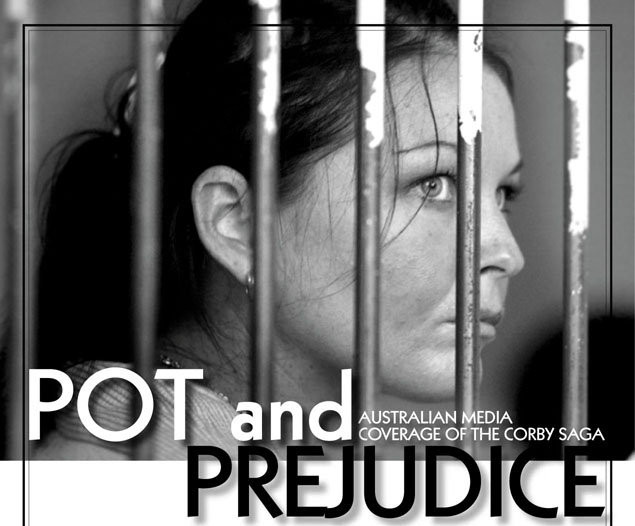
When Trial by Media occurs in instances like the reporting regarding Lindy Chamberlain and Schapelle Corby the subsequent reporting firmly sets an agenda for many media consumers, who somehow end up feeling that they are now qualified to be members of the jury. The media and readers seem to feel that they have all the relevant information at their disposal and are able to sit in judgement. They have been positioned by these media reports as legal experts, and are encouraged by talkback radio and media-sponsored opinion polls to judge the merits of the case. In many instances, they go further by openly criticizing the performances of those acting in a professional capacity inside the courtroom.
The Judgement card is a call to face yourself, completely. To hold up a mirror to your entire life, to see it all. To own it all. Your successes and your failures. The good times and the bad. Everything you’re proud of, and all that you wish you’d done differently. It’s yours – and you must own it all, you must accept it all.
It is stunning to consider the tonnes of newsprint and hours and hours of broadcasting material devoted to Schapelle Corby’s arrest in October 2004, and her subsequent trial and conviction in May 2005. Three television networks (Seven, Nine and Pay TV’s SkyNews) telecast the verdict live in a three-hour satellite special. This was broadcast during a non-peak viewing period (Friday afternoon), yet still managed to draw over a million Australian viewers. In the first few weeks following the verdict, there were ongoing related stories about possible appeal processes, prisoner exchange schemes, differences of opinion between those advocating Corby’s innocence, and, of course, the alleged related incident at the Indonesian Embassy in Canberra, where some mysterious white powder was posted to officials.
Read the full text challenging the media and their vigilante approach to some cases.
Simple Non Judgemental Practice
Don’t pass judgment. If you find yourself being judgmental, stop yourself. This takes a greater awareness than we usually have, so the first step (and an important one) is to observe your thoughts for a few days, trying to notice when you’re being judgmental. This can be a difficult step. Remind yourself to observe.
Once you’re more aware, you can then stop yourself when you feel yourself being judgmental. Then move to the next step.
Understand. Instead of judging someone for what he’s done or how he looks, try instead to understand the person. Put yourself in their shoes. Try to imagine their background. If possible, talk to them. Find out their backstory. Everyone has one. If not, try to imagine the circumstances that might have led to the person acting or looking like they do.
Accept. Once you begin to understand, or at least think you kind of understand, try to accept. Accept that person for who he is, without trying to change him. Accept that he will act the way he does, without wanting him to change. The world is what it is, and as much as you try, you can only change a little bit of it. It will continue to be as it is long after you’re gone. Accept that, because otherwise, you’re in for a world of frustration.
Judgement as an Awakening
The word judgement usually implies that one is going to evaluate evidence before making a decision. However in the case of Tarot the Judgement card is often said to signal a time of resurrection and awakening, a time when a period of our life comes to an absolute end one must make way for a new dynamic beginning.


