
Twenty Everyday Goddesses
Day 1 Destiny
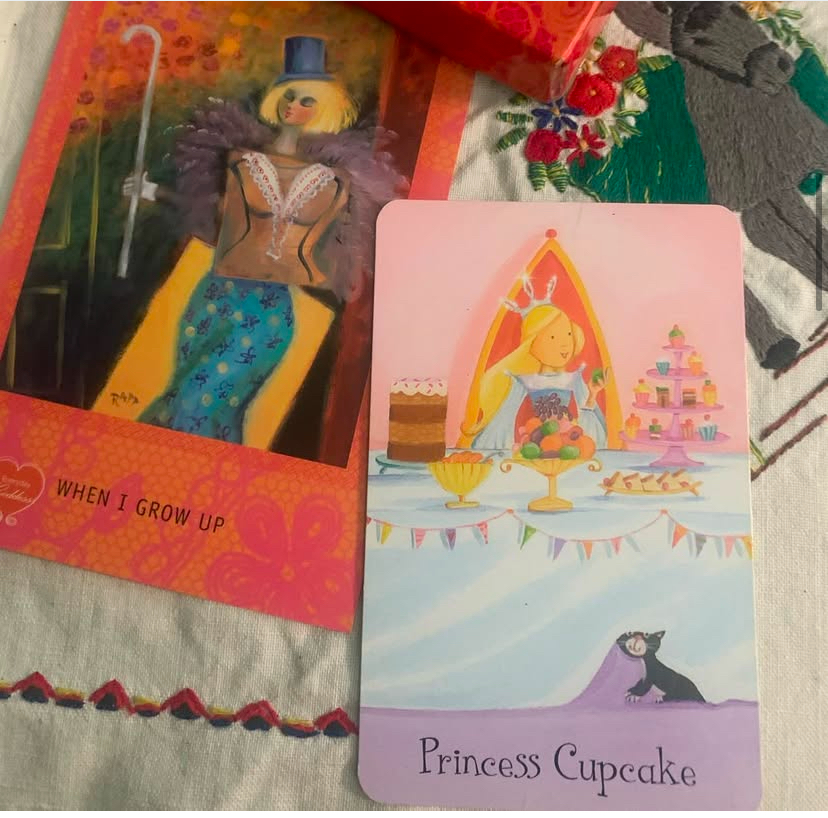
It was her destiny! From the moment the Princess found her way into the kitchens and watched as cook made specialty cupcakes for the Queens daily High Tea, Isabella knew that fine point needlework and traditional needlework was not for her.
It was written in the stars that she would be the Cupcake Queen and craft custom cakes bursting with personality. Her reputation spread far beyond her kingdom and emissaries found any excuse to make an official visit and savour cakes that she crafted.
Does the idea of making specialty cupcakes appeal to you? Did you know that Amelia Simmons invented the cupcake in 1796 when she wrote a recipe called “a light cake to bake in small cups” in her book named “American Cookery”. In fact, the first official use of the phrase “cupcake” was an 1828 reference made in Eliza Leslie’s cookbook.
BTW! The history of Persian cupcakes goes back to an ancient city called “Yazd” in central Iran. Yazdi cakes were originally in flower shape aluminium cups. The main flavour of a Yazdi cake is Cardamom; however, some recipes have rose water, which is totally optional. Unlike the other new types of cupcakes, “Yazdi cakes” are quite low in sugar, healthier, and have an amazing flavour as well as an authentic aroma.
Today Persian Vanilla Cupcake is one of the most common cupcake flavours all around the world. In the past, cupcakes without frosting were more common. Before frostings entered the game, fruits, nuts and spices were common. Chocolate is another world-class flavour, especially for a child’s favourite.
What are you destined to be when you grow up?
Day 2 Intuition
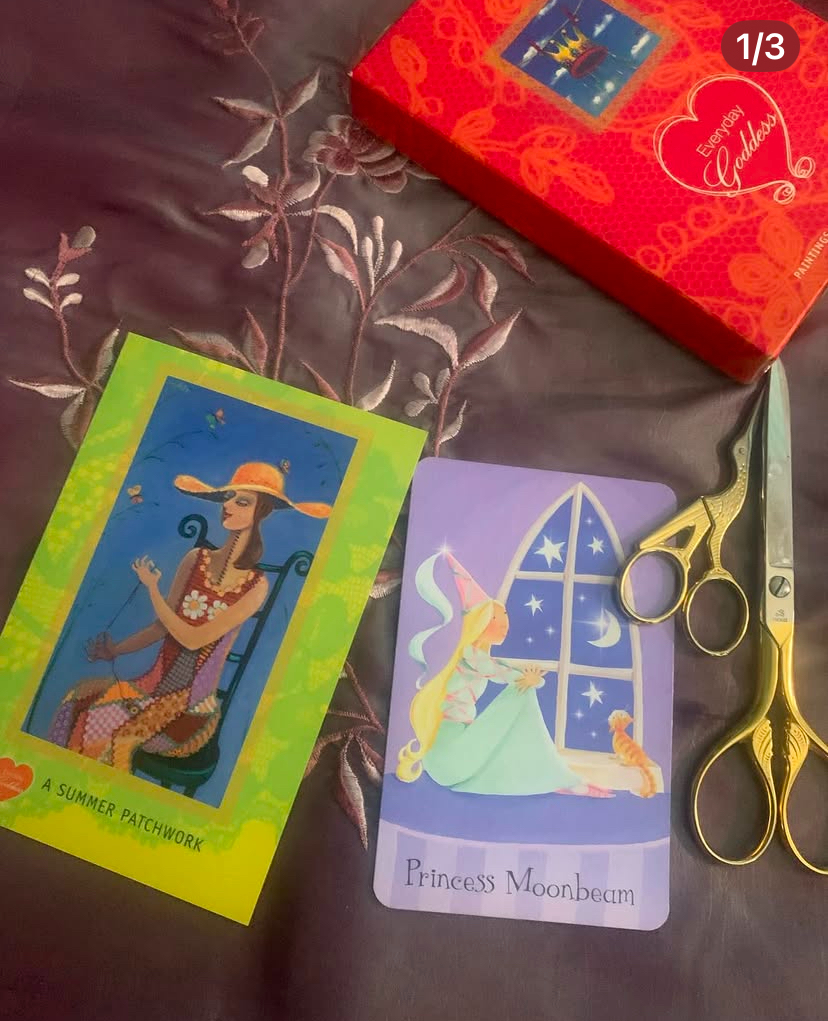
Everyone in the palace called her Princess Moonbeam because she loved to sit under the moon and stars each night and dream,
After visiting the Queens dressmaker for fittings Lilianna, bored with the usual Norman Hartwell style outfits, dreamed of making summer patchwork garments and find hats to wear to the annual summer races.
As a resourceful young woman, inspired by designers like Carla Zampatti, she relied on her intuition to find just the right pieces to match her design drawings.
She became known for her original designs which were replicated by young women who keenly watched this fashion goddess.
How do you step outside conventional thinking? How has your creativity impacted on others? Who has inspired one of your creative projects?
More Everyday Goddesses
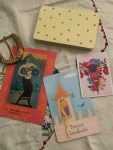
Feminine Vitality
Princess Catarina regularly kept watching from the tower, awaiting the predestined arrival of the handsome Prince. Mind you she would have been even happier if a buxom Princess were to come galloping up on her trusty steed to join her.
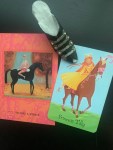
Living Intentionally
Princess Beatrice (affectionately known as Tilly) never had any intention of being confined to the palace. She was happy to have no claim to the throne, to be well down the line of succession. She was very aware of how much time her mother spent engaged in boring Royal duties.
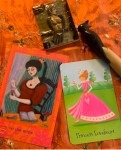
Times have changed and the old adage that a daughter’s choice of career was to become either a nurse, a secretary or a teacher has, mercifully, ceased. Of course these are admirable professions but for decades now, thanks to women like Princess Loveheart and Margaret Sneddon Bickle AO FPS mothers have inspired their daughters and nurtured their dreams of alternatives.
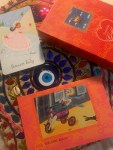
Empowered: When Holly pedalled at great speed around the vast palace corridors on her small tricycle she felt empowered. Staff joked that she would. get a speeding ticket from the King himself, but he smiled benevolently upon his youngest daughter and was the one who encouraged her to take up skiing on nearby slopes.
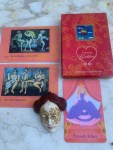
Receiving! By day Princess Amber, born Prince Frederick, loved to dress to impress and receive a diverse range of guests in the palace. While she kept her mask of respectability firmly in place and was the perfect hostess, events invariably took a turn and some housemaids were shocked by what they deemed to be disgraceful behaviour.
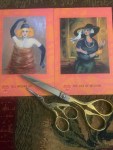
Wisdom: In her youth and prime everyone knew that Pearl was all wound up. Her ego pushed to to be all things to all people and to be some kind of super woman. Alas this is not a rare disorder to suffer from. In fact it seems to have been a legacy of the second wave of feminism put forward by women like Germaine Greer.
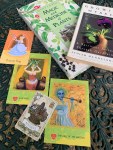
Beauty: Princess Posy, like the Sufi mystics, meditated on flowers to to experience their angelic natures. She believed that every material thing was open to spiritual infusions and medicines. So its not surprising that her crafted bridal bouquets bought joy and signalled an auspicious future for couples.
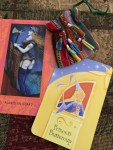
Openess: Princess Catarina, who you met earlier, and her father, the King were well read up on her myths and fairy stories and very aware that all the suitors who came riding up to rescue her had motives of their own. So her father, having read the story of the Princess on the Glass Mountain, was very open about setting rules for suitors. He decreed that whoever would marry her must climb a glass mountain to win her love.

