Structure, routine, intelligent, rational, logical, power, authority, strength, manners, conversation, discerning, detached, cool, honesty, integrity, ethics, morals, clinical, stern, methodical, self-discipline, head over heart, use your head, military, law enforcement, legal matters, judge
Throughout the 19th century and into the early 20th century, most men – and some women – believed that a woman’s place was in the home, looking after her husband and children. The idea of women having a political voice was laughable, and furthermore, the concept of a female politician was unheard of.
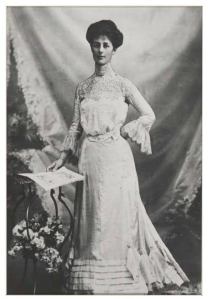
One of the leading advocates for women’s rights in Victoria was Portland, Victoria-born suffragist Vida Goldstein. Throughout the late 1800s and early 1900s, Goldstein campaigned strongly for women’s equality, including universal suffrage and equal pay for equal work.
When Goldstein began her career in the 1870s women had no right to buy property, so Vida lobbied for a change to that law. She also ran a co-ed primary school, founded the monthly publication Women’s Sphere, launched the weekly publication The Women’s Voter, and was a founding member of the National Council of Women.
Here, we meet a person who is steadfastly confident in their beliefs. A profoundly fair person, to the point that there is no space for grey areas between the black and the white, the King of Swords lays down the law.
In 1903 Goldstein became the first woman in the British Empire to stand for election in a national parliament. She tried five times over 14 years to be elected to the Senate, with her last attempt at a seat in the House of Representatives in 1917. But while voting numbers showed her increasing popularity, she was never elected to office.
The mid-1900s saw some minor landmarks for women’s political rights. However, it was not until after 1980, when Susan Ryan became the first woman cabinet minister, that the federal Sex Discrimination Act 1984 was passed.
The Act made it illegal to discriminate against anyone based on their gender, marital status or family responsibilities. It was a huge step for Australia’s women’s rights movement.
Vida died from cancer in 1949, so she wasn’t able to see the result of her efforts, but her contribution to women’s political rights in Victoria remains as important today as it was in the early 20th century.


