Posted in Matilda's, Memoir Writing, Narrative Therapy, Women's Health, Women's Stories

Justice and Truth – Lillian Armfield

The Justice card represents justice, fairness, truth and the law. 

Justice represents the balancing of scales. The payment of dues. The ‘right’ outcome. The serving of justice as we enjoy it in films and literature. Social change, progress. Justice is, in principle and by definition, about fairness, balance, equity.
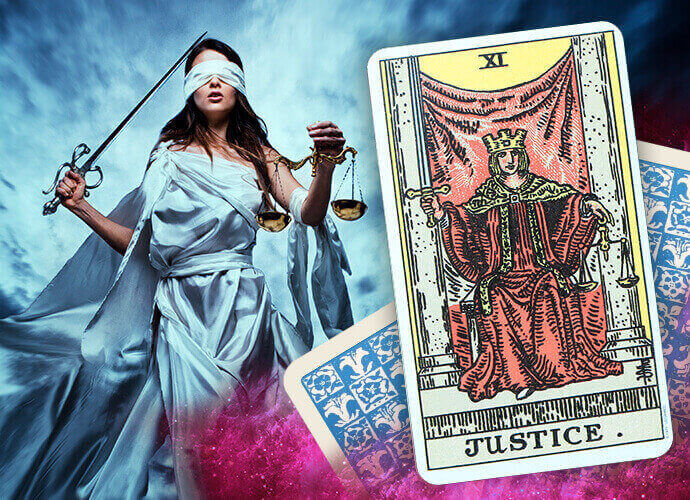
Image Source

he Alchemical Tarot by Robert Place includes a 22nd card entitled Truth. A friend sent me a link to an article titled Mrs Sherlock Holmes’ and the other real female sleuths who were written out of history. This addresses the women who rivalled male private eyes in a masculine world, who sought truth and justice.

One notable female private investigator of the past included Matilda Mitchell, who left the pantomime stage to become head of Selfridge’s “secret service” on Oxford Street in 1912, and Liverpool’s own “Mrs Sherlock Holmes.
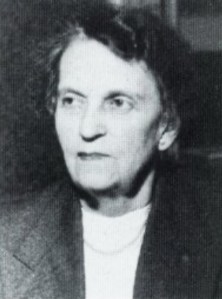
This set me, like others, on the trail to find an equivalent Australian. Turns out that Lillian Armfield was Australia’s first female detective. When she and Maude Rhodes began their work as the first constables in the newly formed Womens Police, part of the NSW Police Force, in 1915, World War I was raging in Europe and the Middle East, and Australian troops experienced warfare on a mass scale for the first time as they went ashore at Gallipoli on 25 April.

Lady detectives seem to have come late to Australia. The concept of them was known throughmost of the Victorian era, as they were subject of some popular novels, including Revelations of a Lady Detective  (1864) which was advertised, widely, for many, many, many years in regional Australian newspapers. Tracing them was also complicated because the distinction between police detective and private detectives isn’t always obvious from the context. Still, they don’t appear until near the end of the century and the earliest mentions are from overseas.

Mistress of the Rough Seas

To say things were stacked against Lillian is an understatement.

For one, Armfield had to sign a waiver agreeing that the New South Wales police department she served was not responsible for her safety and welfare, and that no compensation would be provided for injuries sustained during her duties.

Then there was the fact that she wasn’t given a uniform and had to pay for civilian clothes worn on duty. She couldn’t marry either. To top it all, she had to go about her business unarmed and, er, was not allowed to arrest criminals.

Ah, yes… the spinster policewoman with no uniform, no weapon, with no powers of arrest… All they were short of doing was painting a target on her back, saying ‘Assault me’

By the time Christine Nixon, who headed Victoria police, was in power things had certainly changed, but she makes no secret of the fact that she still struggled with the very masculine world of the force.

Female Private Investigation Today

The history of private investigators in Australia is a lesser-known topic since there are no accurate records about the exact year when the first PI agency commenced its operations in the country. However, newspaper articles and court reports suggest that private investigators in Australia have been working since at least the 1880s.

Sydney based Amy Elliot talks about the breadth of work, and the skills she offers. Many might find what she does daunting but Elliot loves her work. She believes that investigators like herself can effect change more quickly than the court system.

On any day her role can embrace.

• Criminal background checks on candidates for a job vacancy for businesses
• Bad debt recovery and collection
• Investigating suspicious business employees
• Insurance or workers compensation claims
• Conducting interviews for investigating workplace theft or harassment complaints
• Investigation and evidence collection through internet forensics
• Process serving for legal cases
• Background checks on to-be spouse before wedding
• Infidelity investigation
• Data recovery from damaged phone or laptop
• Strengthening your case in child custody matters
• Investigating financial fraud

Posted in Matilda's, Memoir Writing, Narrative Therapy, Women's Health, Women's Stories

Jeannie Little Played the Fool

The Fool is the first card in the tarot deck and represents new beginnings, innocence, and being open to whatever life has in store. The Fool depicts a youth walking joyfully into the world. He is taking his first steps, and he is exuberant, joyful, excited

The Fool balances on the edge of the cloud preparing to take the leap into the unknown. Divine Feminine Tarot.

The Fool is often associated with the Royal Court Jester and there is no doubt that Jeannie Little was a talented jester. Jeanne Mitchell, born 11 May 1938 – died 7 November 2020 professionally became known as Jeannie Little, was an Australian entertainer comedienne and television personality who won the Gold Logie in 1977. She was the larger-than-life personality who made all her own flamboyant clothes and captivated audiences with her unique, down-to-earth humour. Knife throwing, paragliding, singing, dancing and riding an elephant were just some of Little’s hilarious highlights when working on The Mike Walsh Show from 1974 to 1982.

Jeannie’s talents seemed to be inexhaustible. She was not only a TV personality but had a long history of being a madcap dressmaker and cabaret performer. In an upstairs alcove in the Sydney suburb of Paddington, she had established her own dressmaking shop where she designed dresses for wealthy women and retired showgirls.

As a result of her work on television during the 70’s and her charismatic personality she not only won the hearts of an adoring public, but was often characterised as a relatively rare example of a female larrikin – a rough, uncultivated Australian.

The Fool carries enormous potential in her back pack and is always excited about beginning new adventures.

Play Like Jeannie

  • Raid a Charity Store. Begin wearing eccentric, hilarious and madcap clothes.
  • Jeannie was paid peanuts and had to be resourceful. She made jackets out of tin foil and dresses covered with balloons, or pale pink prawn crackers and milk bottle caps. As well as the disposable dresses, Jeanne designed edible hats made of food including pizza, french fries, crumpets, bangers and mash, ice cream cones and frankfurters. Come up with your own crazy design.
  • Jeannie had an inexhaustible array of ideas and adventures. Dream up an adventure and set out.
Posted in Matilda's, Memoir Writing, Narrative Therapy, Women's Health, Women's Stories

Annette Calder – Six of Cups

The Six of Cups raises themes of family and ancestry and where we each come from, specifically in relation to how it these things inform your own life now. It asks us to explore what it feels like to be ‘rooted’ – that may be physically in a space, or it may be in a culture, tradition or lineage that we are part of.

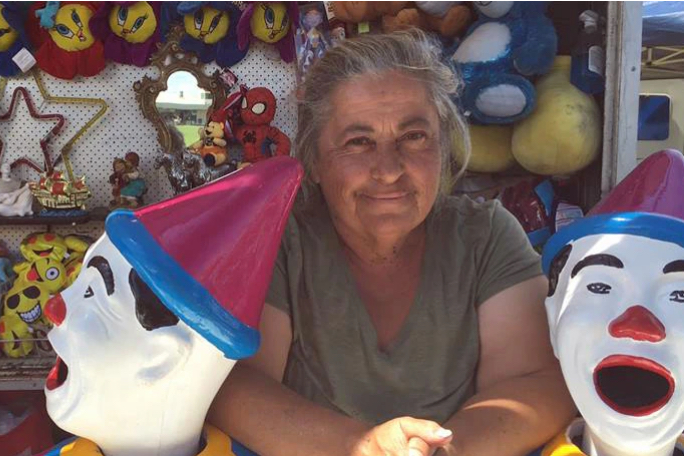
Annette Calder is a third generation ‘showie’ who has been travelling with her laughing clowns for the past 57 years.

Her family is part of a tight travelling community of stallholders that belong to the Victorian Showmen’s Guild, supplying sideshow alley entertainment to agricultural shows across the state.

The Six of Cups represents innocence, nostalgia, and positive thinking. The card has an overall feel of childhood and nostalgia. It embodies feeling free and pure and allowing your past experiences to guide you down new paths.

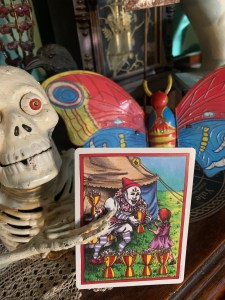
The Six of Cups from the Legrande Circus and Sideshow Tarot helps add another dimension to the story of this woman who has spent so many years travelling to Agricultural Shows in regional areas of Victoria, Australia. Annette was, as so many Showies are, born into this business. Her parents and grandparents all worked the shows. Sideshow stall holding is often a long-held, multi-generational family affair with many stallholders being related.

It’s no surprise then that the Six of Cups can often be attributed to our inner child and how we tackle our role as both the parent and the child. Often when the Six of Cups appears in a Tarot reading, we are directed to that inner child and what it’s trying to tell us. Of course, even if you are not into reversals it is prudent to remember that sometimes the things that happened to us as children can manifest in our adult lives in unpleasant ways. It could be trauma from neglect or abuse, a specific event that happened that changed our beliefs about ourselves or changed the way we see the world.

Understanding Wisdom of the Past

Nostalgia, memories, childhood, familiarity, rose-colored glasses, stuck in the past

Go through your decks and find some Six of Cups and all the Pages. Study the various versions! Consider what, from the past, you want to examine. What other selves are to be found there? Take the opportunity to work with your younger self.

It may help to do this spread by Hermits Mirror and then journal. The creator explains that when he made it, it was was geared toward understanding wisdom from any of the past versions of ourselves that live within us.

Memory by Zora Bernice May Cross

Late, late last night, when the whole world slept,
Along to the garden of dreams I crept.
And I pulled the bell of an old, old house
Where the moon dipped down like a little white mouse.
I tapped the door and I tossed my head:
“Are you in, little girl? Are you in?” I said.
And while I waited and shook with cold
Through the door tripped me—-just eight years old.
I looked so sweet with my pigtails down,
Tied up with a ribbon of dusky brown,
With a dimpled chin full of childish charme,
And my old black dolly asleep in my arms.
I sat me down when I saw myself,
And I told little tales of a moonland elf.
I laughed and sang as I used to do
When the world was ruled by Little Boy Blue.
Then I danced with a toss and a twirl
And said: “Now have you been a good, good girl?
Have you had much spanking since you were Me?
And does it feel fine to be twenty-three?”
I kissed me then, and I said farewell,
For I’ve earned more spanks than I dared to tell,
And Eight must never see Twenty-three
As she peeps through the door of Memory.

If this appeals go to the Hermit Mirror’s site for more information about this spread.
Posted in Matilda's, Memoir Writing, Narrative Therapy, Women's Health, Women's Stories

Ellen (Buzzwinkle) Miles – Five of Pentacles

The Five of Coins, or the Five of Pentacles is not a card that is welcome in a spread. The Rider Waite is particularly bleak. It is one of the toughest cards in the deck. Two people walk through the icy wind and snow; both are destitute and living in poverty. One man is injured and on crutches, while the other is barefoot. When upright means to lose all faith, lose resources, lose a loveror lose both financial and emotional security.

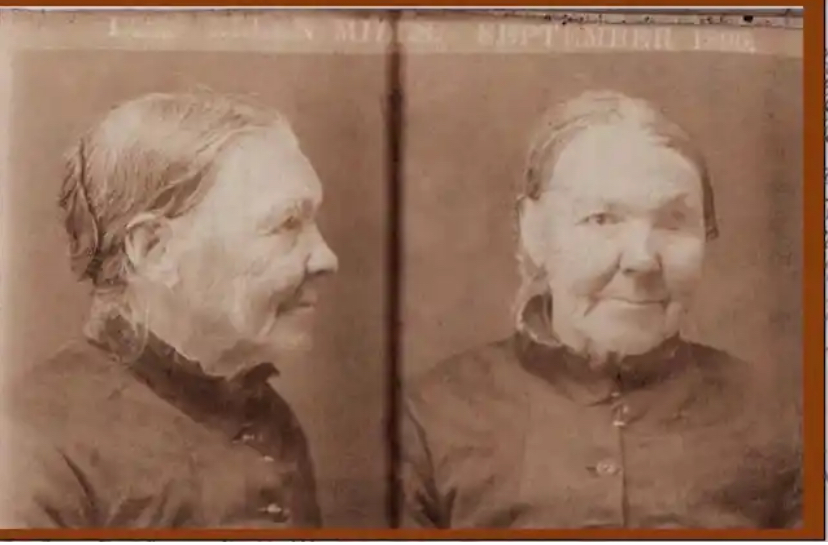
By and large the stories of the female convicts who were transported to Australia have remained hidden and have not featured in the history books. Many prevailed and went on to reinvent themselves and become successful but others, like Ellen Miles lived in continual poverty.

In an article featured in The Conversation she is described as a child convict, goldfields pickpocket and vagrant. She lived until 90 and was constantly in and out of gaol and benevolent asylums, until she was too frail to escape the Ballarat institution where she died in 1916.

Ellen’s first appearance in the press had been in 1839: aged 11, she was charged at the Guildhall with passing a counterfeit half-crown to a shopkeeper in Russell Street, Bloomsbury, London. Mr Field, an inspector at the Mint, said that this child was “one of three sisters, all notorious utterers”.

Her story is filled with characters that could appear in a Charles Dickens novel.

Posted in Matilda's, Memoir Writing, Narrative Therapy, Tarot Story Exchanges, Women's Health, Women's Stories

Meet Jenn Congilaro – Not So Mystical Tarot

When people are asked to name their favourite tarot card, the Queen of Swords often comes up. Why? Much of her appeal has to do with the fact that this is a strong, powerful person who has been through a lot. So many people relate to this queen’s story. Here we have a person of tenacity and courage.

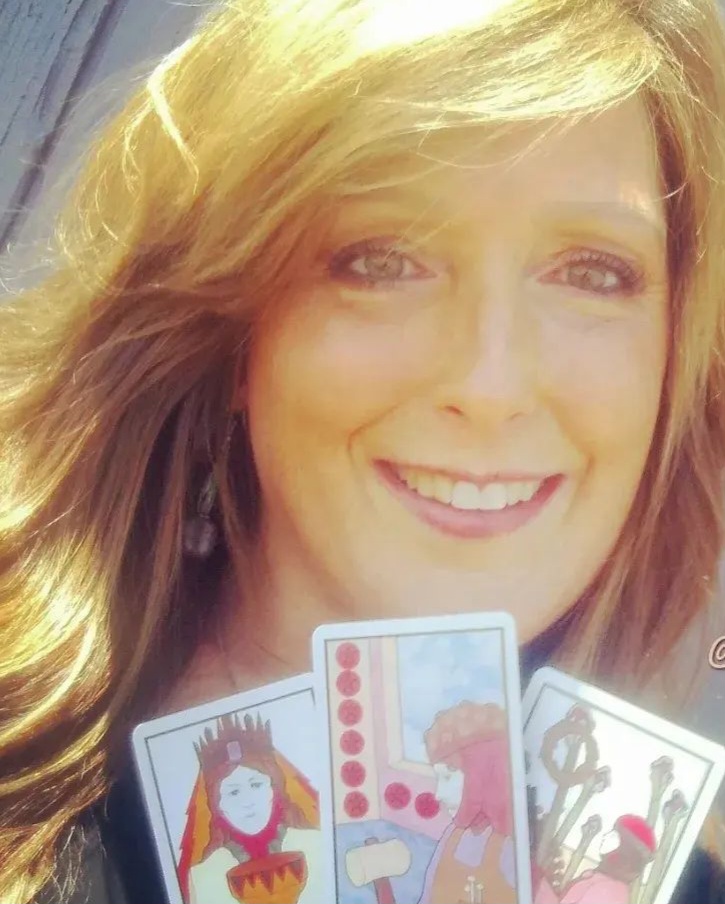
When asked to identify a card that really speaks to who she is as a creative, Jenn (JenniferAnn) Congilaro, who so many know as the creator of the Not So Mystical Tarot deck, chose the indefatigable Queen of Swords.

Take the time to check out this tilda’s profile here at Waltzing with a Matilda and learn more about her connection to the Queen of Swords.

Posted in Matilda's, Memoir Writing, Narrative Therapy, Women's Health, Women's Stories

Phyllis Kaberry – Anthropologist

When you get the Strength card in an upright manner during your tarot reading, it shows that you have inner strength and fortitude during moments of danger and distress. It shows that you have the ability to remain calm and strong even when your life is going through immense struggle. It also shows that you are a compassionate person and you always have time for other people even if it’s at your own expense.

Phyllis Kaberry, unlike Margaret Mead, is not listed as one of the top female anthropologists. No doubt because of gender bias her ethnography did not receive the attention that it deserved when it was first published but her work is every bit as fascinating as Meads.

Kaberry was born in the United States in 1910 and moved with her family to Sydney at the age of ten. Educated in Australia she was the first Australian woman to be recognised as a fully trained and qualified anthropologist. She achieved several other ‘firsts’ along the way: she was the first female Australian anthropologist to complete doctoral work, which she did at the London School of Economics in 1938, and the first who took a particularly woman-focused approach to her field work and theories.

Kaberry was a social anthropologist who dedicated her work to the study of women in various societies. Particularly with her work in both Australia and Africa, she paved the way for a feminist approach in anthropological studies.

She was an outstanding and disciplined fieldworker, to judge from my experience, well and critically apprised of the existing documents, and with a brilliant sympathy for the perplexities and moral dilemmas of chiefs, local political leaders, catechists, conservative lineage-heads, tax-collectors, traders, what you will. Her evident integrity attracted a rich deposit of information on social change in this area which may be of capital importance for the future. Her field-notes have been left to the British Library of Economics and Political Science.

Rai Organisation

Kaberry was encouraged by A. P. Elkinan early figure in Australian anthropology and history to work in the Kimberley. Elkin had noted that there was very little understood by outsiders about Aboriginal women and that only half the Aboriginal story was being told. Her main findings were published in 1939 in Aboriginal Woman Sacred and Profane. During her time in the field, she received an Aboriginal name, Nadjeri, and the memory of her stay “has been recorded into a number of indigenous historical narratives” (Toussaint 2002 ; Williams 1988). She was the first researcher to focus on the lives of Aboriginal women (Williams 1988) and her work garnered considerable public as well as academic attention.

Kaberry spent almost two years in the Kimberley travelling from the west to east. She spent most of her time around Moola Bulla near Halls Creek, Fitzroy Crossing, Forrest River, Turkey Creek, and some of the Dampier Land communities. She travelled extensively with Aboriginal people, walking or riding a mule, was allocated the sub-section or skin group of ‘Nadjeri’, and took her social incorporation and obligations very seriously. Kaberry was interested in languages and seemed to quickly learn the different languages encountered on her travels. When talking with Aboriginal people who knew Kaberry, Dr Toussaint found that she is remembered with respect and affection. She has recorded a number of stories about Kaberry’s travels with Aboriginal people.

The Strength card is a symbol of inner fortitude, which helps us prevail in the face of life’s challenges. Strength is something that needs to be reinforced every day. Just as muscles need to be continuously used to maintain their power, so too does inner-strength need to be habitually exercised.

Newspapers of the time published a number of articles about Kaberry and her research. 

Newspaper Articles

Note that the kind of tabloid writing at the time would be deemed offensive now. This is not a reflection on Kaberry’s work but does reveal her courage and determination and capacity to patiently complete her work.

Posted in Women's Stories

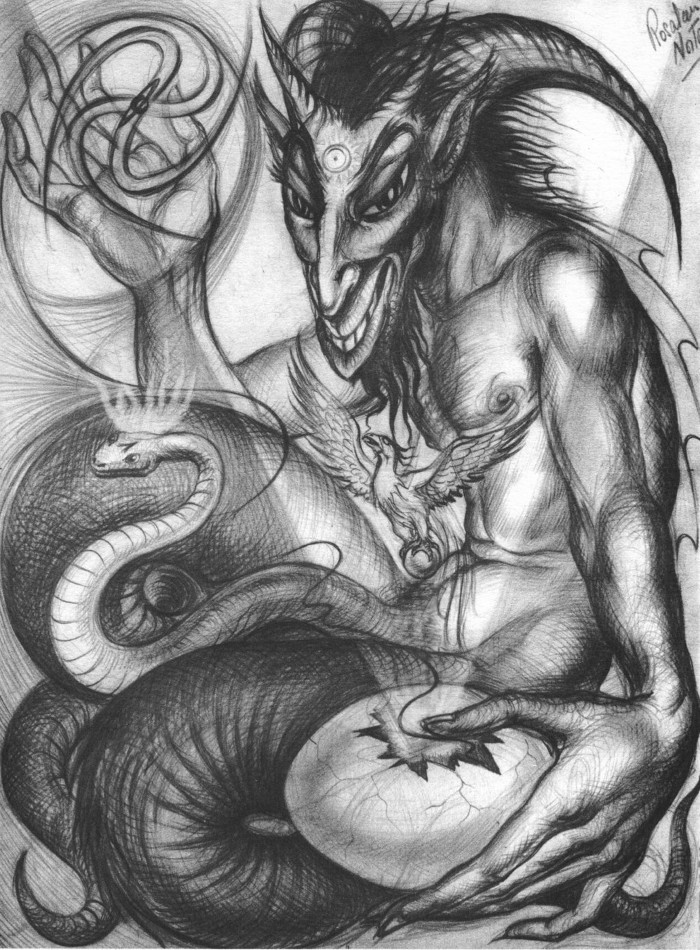
Rosaleen Norton – Devil or High Priestess?

Rosaleen Norton rose to infamy in the 1950s in Australia, after a series of lurid public scandals in which she was accused of participating in orgies and satanic rituals. She was prosecuted on charges of obscenity and blamed for the downfall of a world-famous conductor. Demonized by the press, her life became fodder for tabloids. 

As all good readers of Tarot cards know, you cannot typecast a person with just one card. Everyone is complex and each card reveals something about each person. A documentary called “The Witch of Kings Cross” — named for Rosaleen Norton’s bohemian neighborhood in Sydney — explores the life of the artist and self-professed witch and shows that scandal isn’t really the heart of Norton’s story.

The High Priestess is an ancient archetypal energy that embodies wisdom, inner knowledge and guidance. She is associated with Mystery, Sensuality, Desirability, Fertility, Creativity, Subconscious, Thirst for knowledge, High power, Intuition, Inner voice and the Divine feminine

Rosaleen Norton (1917–1979) was an Australian artist, writer, journalist, and occult practitioner whose life and work challenged the conservative social and religious norms of mid-twentieth-century Australia. Best known today as the “Witch of Kings Cross,” Norton became one of the country’s most controversial cultural figures, attracting intense media scrutiny for her spiritual beliefs, artistic imagery, and unconventional lifestyle.

During the 1940s and 1950s, Norton produced visionary artworks inspired by mythology, nature, paganism, and the occult. At a time when Australia maintained strict censorship laws and Christian values dominated public life, her depictions of nude figures, mystical beings, and alternative spiritual practices were considered shocking by many. Several of her publications were censored, and she faced prosecutions for obscenity, becoming a frequent target of sensationalist newspaper coverage.

Yet the scandals that surrounded her reveal only part of the story. Norton was also a gifted illustrator, journalist, and horror writer who contributed to Smith’s Weekly and other publications. Her work explored themes of personal freedom, spiritual exploration, sexuality, and humanity’s relationship with the natural world. While critics condemned her, others were fascinated by her intelligence, creativity, and refusal to conform.

The documentary The Witch of Kings Cross invites viewers to look beyond the lurid headlines and discover a complex woman whose life became a battleground between artistic expression and social conformity. Viewed through a contemporary lens, Rosaleen Norton emerges not simply as a scandalous figure, but as a pioneering artist and spiritual seeker whose courage to live authentically came at a considerable personal cost.

Follow the links and watch the Youtube video provided here examine her art and learn more about this fascinating, complex woman. Then you can decide for yourself which cards best speak of her energetic.

Image taken from Visionary Art
Posted in Matilda's, Memoir Writing, Narrative Therapy, Women's Health, Women's Stories

Wendy Hansford – Yoga Teacher and Tour Guide

Traditionally the Three of Cups is a card of celebration. It embraces the energy of good friends, who love each other unconditionally and who are sharing a moment of sheer joy. Times are good when we have each other. The essence of this card is one of genuine friendship, and a feeling that together with our friends, we have all that we need.

Lightseers Tarot

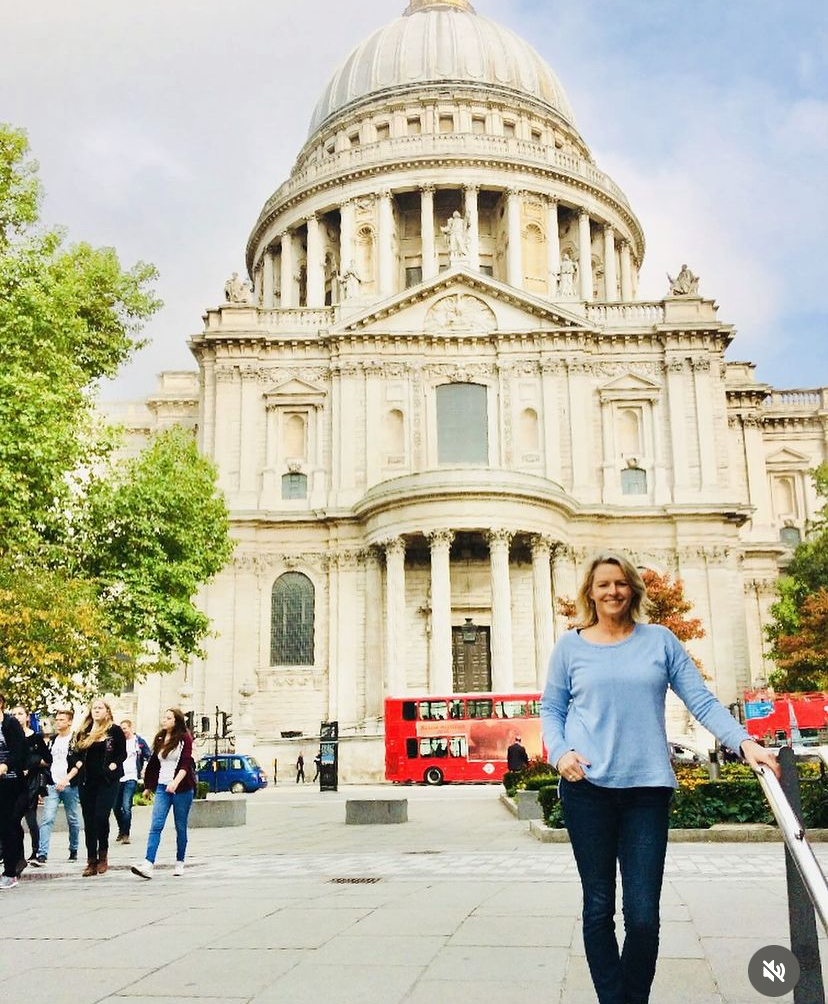
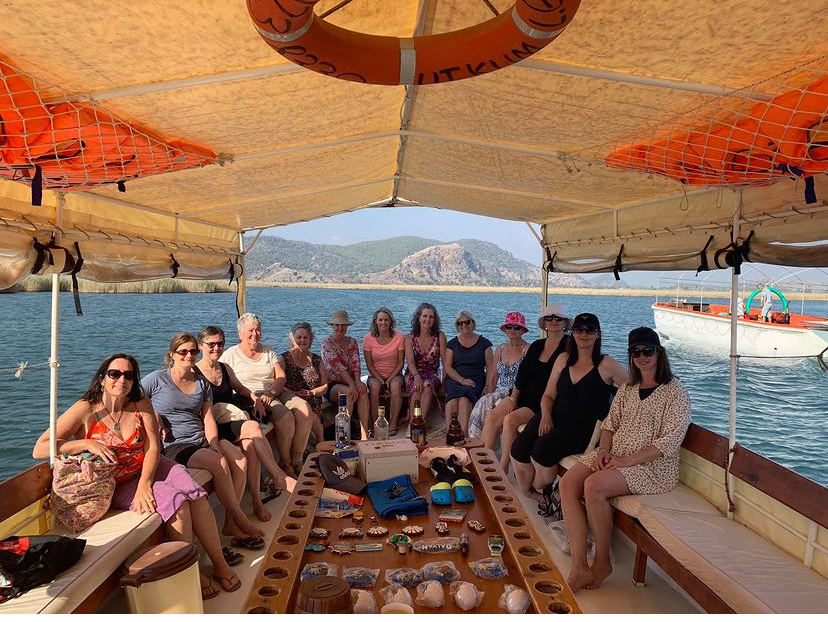
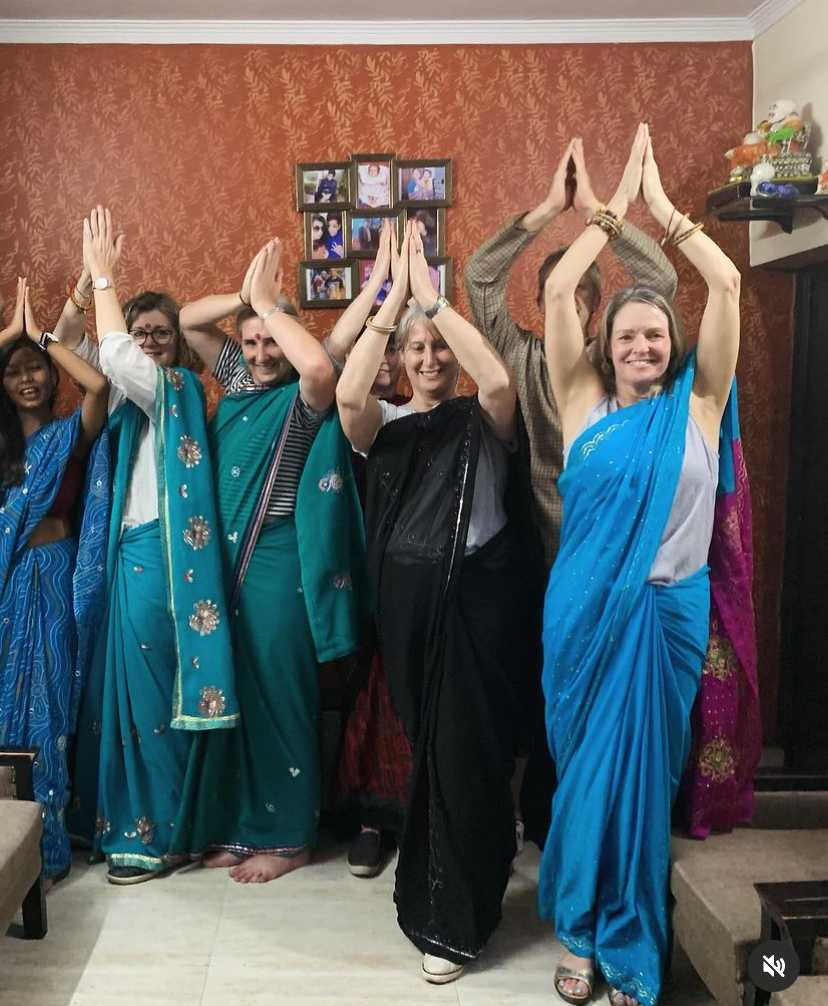
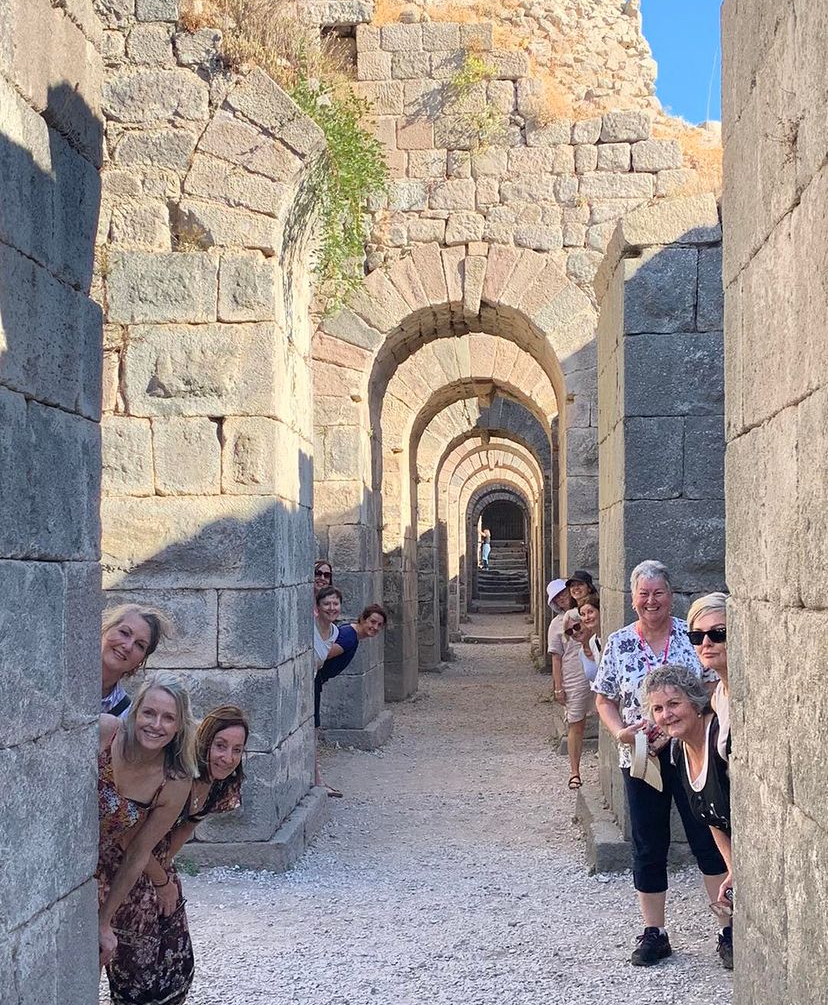
The image on the Lightseers Tarot Three of Cups says it all. Arm in arm three women are dancing, under a star filled night, across a verdent field.

Take a peek at Wendy’s instagram @wendy_hansford_yoga and you find her celebrating her ‘epic women’s tours’ and Yoga Classes at her Awakening Yoga Studio. Examine the photographic evidence before you and you are left in no doubt that that Wendy and the team who join her on one of her overseas excursions to Turkey are having an exhilarating time together.

They say that a picture is worth a thousand words and there are thousands of words associated with these happy pics.

Check Wendy’s full profile on the Tilda (Not Licorice) Allsorts page to learn more about the life changing Tower moment that set Wendy on the course to become a Yoga Teacher and Tour guide.

Posted in Matilda's, Memoir Writing, Narrative Therapy, Women's Health, Women's Stories

Sarla Devi Chaudhurani – A Pioneering Revolutionary

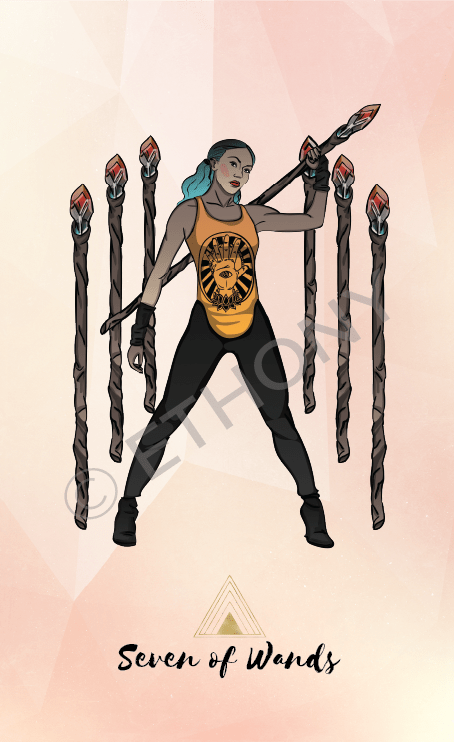
The Seven of Wands represents standing up for what you believe in and not wavering in those beliefs. When others put you in a position to argue your point, you rise to the occasion. You’re passionate about your morals and desires, and you’re not afraid to defend them.

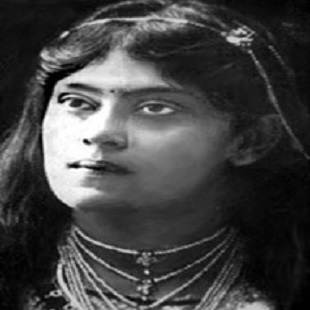
Sarla Devi Chaudhurani was a prominent freedom fighter working towards the betterment of women’s rights and education, especially in the subcontinent. Her central focus was on woman-power. She was a political activist for the women’s cause. 

Chaudhurani was from Bengal as well as Punjab. She was born in Kolkata in a Bengali family in 1872. Sarla was raised with modern feminist values. The spirit of patriotism was infused in her by her mother Swarn Kumari who worked for the Swadeshi cause.

Growing up under a canopy of privilege, with attendants at her beck and call, Sarala Devi had no reason to learn any housework. She was allowed the special privilege of studying physics at a time when the discipline was not open to women students in Calcutta (now Kolkata). Her brothers sat next to her in class, the sole woman in a sea of male students.

Sarla worked as the editor of the Bengali Journal Bharti. She was a niece of Rabindranath Tagore and had connections with national leaders such as Satyendra Nath Tagore and Chaupekar brothers

Even though she had no need for a job, Sarala Devi took off to Mysore (now Mysuru) in 1892 to work for a while. She opened Laksmi Bhandar to make popular Swadeshi goods. She got married to a popular Arya Samajist Pandit Ram Bhuj Dutt Choudhary of Lahore, in 1905, as a result, her political activities shifted to Lahore. She became an active member of Bharat Stree Mahamandal of Lahore, which was meant to organize women of all colors and creeds for the common cause, and moral and material development of the women of the nation. She toured the whole of Punjab and opened branches of Arya Samaj for women.

Chaudhurani originated the idea of donating one-tenth of ornaments by women to the ‘revenge fund’, made committees for the collection of funds, and united the women folk for the cause of freedom. Her speeches, writings, articles, and poems motivated many men and women to join the freedom struggle. The government kept her activities under surveillance and warned her about her writings.

In 1919, she came under the influence of Mahatma Gandhi and started to follow non-violence methods. She raised her voice against the massacre at Jallianwala Bagh, Amritsar. She became the pivot of the Swadeshi movement in Punjab. She was the first woman in the province who started to wear Khadi Sari. She remained a devoted worker of Congress till her death in 1945.

Gandhi Connection

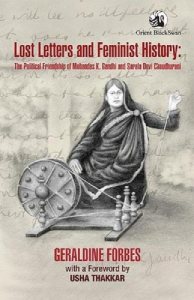
Not surprisingly, given his stature, there have been many insinuations about the relationship Gandhi had with various people. Sarla Devi Chaudhurani was just one of these. It has been claimed that she was his spiritual wife. Google and you will find salacious snippets pointing to the Mahatma’s lust for her. Check out this article that appeared in Mint Lounge or read the Lost Letters and Feminist History by Geraldine Forbes and draw your own conclusions.

Posted in Matilda's, Women's Health

Celebrate with a Matilda

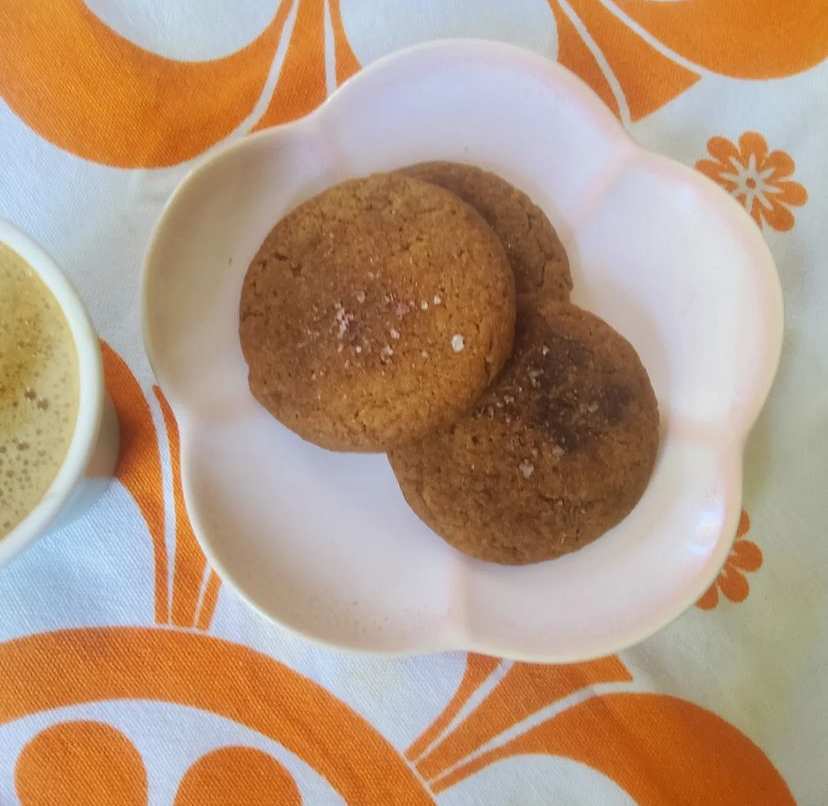
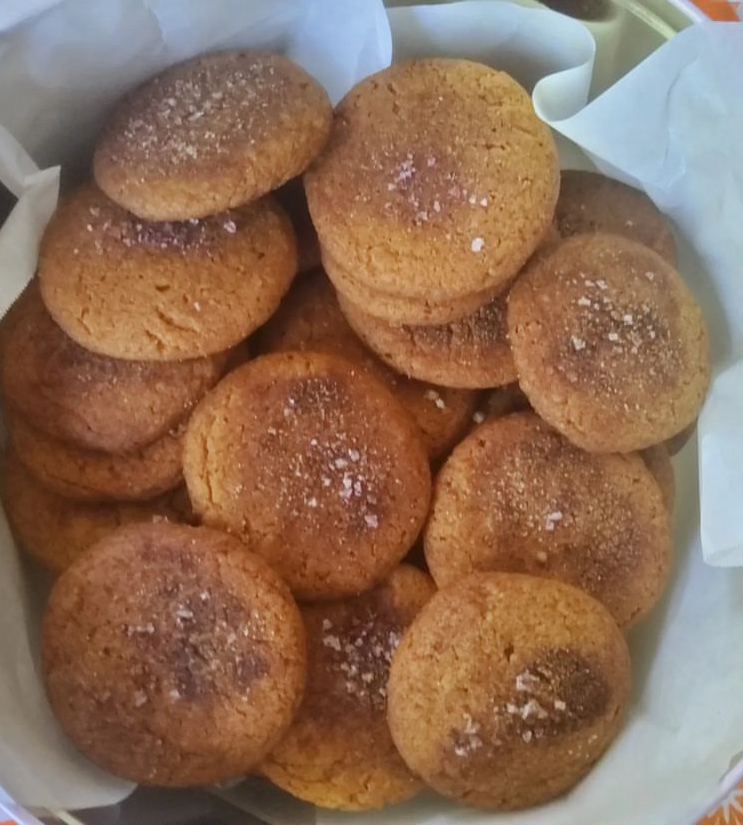
The Four of Wands, Three of Cups and Six of Wands are all celebration cards. When you draw these cards think of novel ways to celebrate something. One way is to bake some Matilda biscuits with love, pop them in a tin and give them to a Matilda you admire to savour with a cup of tea or coffee.

Australian women used to bake Anzacs and send them in care packages sent to the home front during World War 1. Their recipe evolved from the availability of staple ingredients that would last the journey without spoiling. The essentials are rolled oats and flour. Traditionally the recipe used golden syrup which gives the biscuits their sweet and chewy texture and desiccated coconut was added in some circles for extra calories and flavour.

Matilda biscuits make the perfect treat for a woman who is a positive influence in your life. Celebrate your connection! Gather the ingredients and get baking.

Photos by Pam Hayward
Pam Hayward will tell you that baking is her happy place. How about following @pamela_hayward lead and honour your favourite ’tildas by baking some biscuits as created by Jill Dupleix and gifting them?

MATILDA BISCUITS as appears on Jill Dupleix site

Pam Hayward suggests adding a sprinkle of sugar and cinnamon with salt on top of these gems. And she says that for a crisper biscuit add a minute to the baking time.

  • 250 g plain flour
  • 1 tbsp ground ginger
  • 1 tsp cinnamon
  • Half tsp mixed spice
  • Good pinch of sea salt
  • 125 g brown sugar
  • 125 g butter, chopped
  • 3 tbsp golden syrup
  • 1 scant tsp bicarbonate of soda

Heat oven to 180C.

Sift the flour, ginger, cinnamon, mixed spice and sea salt into a bowl and make a well in the middle.

Melt the butter, sugar and golden syrup in a pan, stirring, until sugar has melted.

Remove from the heat, count 60 seconds, then and add bicarb, stirring as it froths up.

Pour the hot mixture into the flour, and bring it together with a spatula until there are no streaks of flour.

Use a teaspoon to scoop up a portion of dough, and roll into a ball in your hands. Place on a tray lined with baking paper, allowing a little room for spreading.

Press down lightly to flatten (see tip).

Bake for 10 to 11 minutes until golden.

Cool on a wire rack, before storing in an airtight container. Makes 25 (x 20g).

Posted in Matilda's, Memoir Writing, Narrative Therapy, Women's Health, Women's Stories

Strength – Olympias the Deaconess

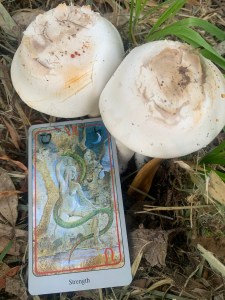
A mushroom’s power and strength is not obvious. But it is actually calling lots of the shots.

For a long time, mushrooms have been considered strange and mysterious creatures. They come in all shapes and sizes and can grow in the darkest and dampest corners of the world. In a sense, mushrooms thrive in environments where they may otherwise be destroyed.

Women, like mushrooms, are remarkably varied in their attributes and historically have often been required to suppress their identities and survive in hostile environments. Akin to mushrooms they often must grow below the ground’s surface: hide their talent under a bushel so to speak.

Mushrooms have the power to transform things. They can grow by decomposing organic matter, breaking it down, and creating new life. They can teach us about community, connection and renewal. Likewise there is much to learn from the long hidden women from history. These women can guide us and help transform society by reminding us to challenge and breaking down harmful norms and stereotypes.

Olympias, the Deaconess, (not Alexander the Great’s mother) was a formidable woman who opposed the emperor and fought for her way of life and her faith. Olympias was the daughter of the senator Anicius Secundus, and by her mother she was the granddaughter of the noted eparch Eulalios.

Before her marriage to Anicius Secundus, Olympias’s mother had been married to the Armenian emperor Arsak and became widowed. When Saint Olympias was still very young, her parents betrothed her to a nobleman. The marriage was supposed to take place when Saint Olympias reached the age of maturity. The bridegroom soon died, however, and Saint Olympias did not wish to enter into another marriage, preferring a life of virginity.

After the death of her parents she became the heir to great wealth. A fifth century CE text presents Olympias as a determined young woman who was not afraid to advocate for herself and fight to live her chosen way of life. She chose to live a celibate life and began to distribute her wealth to all the needy: the poor, the orphaned and the widowed. She also gave generously to the churches, monasteries, hospices and shelters for the downtrodden and the homeless.

Olympias was fueled by an inner strength, personal power, strong will and determination. Given that she did not try to control others; but quietly influenced and persuaded, highlights her strength. Her power was not to be underestimated when it may have appeared so ‘invisible’. She proved able to can control a situation without excessive, outward force. No on possibly cottoned on to how she was actually calling the shots.

Journal Ideas

  • Get out in nature and find some mushrooms. Photograph these gentle creatures and spend time interviewing them about the meaning of life.
  • What lesson do you take from Mushrooms, the Strength card and Olympias?


Posted in Matilda's, Memoir Writing, Narrative Therapy, Women's Health, Women's Stories

Seven of Cups Fantasies

The Seven of Cups could well be interpreted to be about a boundless imagination. However it is important to give our dreams structure and support. Rachel Pollack puts it best, in Seventy-Eight Degrees of Wisdom:

Emotion and imagination can produce wonderful visions, but without grounding in both action and the outer realities of life these fantastic images remain daydreams, ‘fancies’ without real meaning or value. … They lack meaning because they don’t connect to anything outside of themselves.

It’s all well and good to be imaginative and curious but if ideas, callings, desires etc aren’t acted upon then they remain like the symbols in the card: figments of your mind, or rather, your heart. Of course there are some fantasies that one should be cautious about actually acting upon and Van Life is certainly one of these.

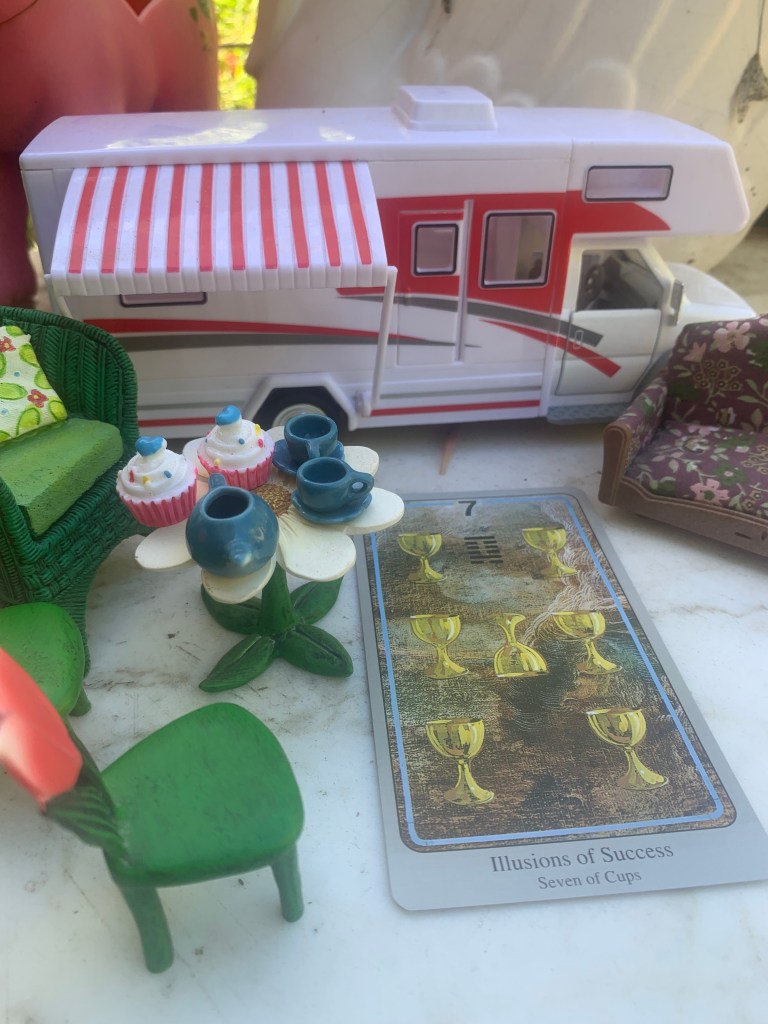
Running away to join a circus, selling up everything and living in a van sounds very appealing, especially if you are suffering from burn out in the work force. Since the pandemic, as people have fled the cities, the internet has been awash with curated stories about how exotic life is when you hit the road live in a camper van. It all sounds very romantic.

Colloquially known as #VanLife the growing movement of people living in vans, often gaining a large social media following while doing it, keeps increasing. Apparently there are four million posts with the hashtag on Instagram alone so it is certainly no longer just the domain of retiring grey nomads.

But some van dwellers are blunt and will tell you that the reality of life on the road is vastly different to the highly curated, picture-perfect and peripatetic lifestyles that social media shows.

Casey Hawkins

Casey Hawkins is one of these honest individuals. She explains that it can feel as though life has no filter when you are on the road. She points out that living in a van is different is very different to living in a tiny home because no matter how hard you try, a van is not a house. It is always in a public space and you can’t comfortably stand up, move around, watch TV, or just dance around the kitchen in your underwear! Perhaps more importantly you really don’t want to get sick or have an injury.

So beware of seven of cups moments like this. If you are dreaming of hitting the road make sure to do some research because there are many more elements to consider. Unless you have a really luxurious motorhome, for example, after a while you will miss your four walls and a hot shower, especially in winter. 

There is unquestionably a dark side to van life and it is prudent to research about some unfortunate truths about van life.

Your ideas may be wonderful, but can you make them real? What can they really mean, here, in your life? The Seven of Cups asks you to ‘make the impossible possible’, to actively manifest your desires, rather than admiring them as daydreams. In order to put in this energy, you may need to let some dreams go. Focus on what really lights you up, and don’t be afraid to leave some of your dreams behind (if only just for now). Let your heart guide you to choose the meaningful over the superficial.

Little Red Tarot