Posted in Matilda's, Memoir Writing, Narrative Therapy, Women's Health, Women's Stories

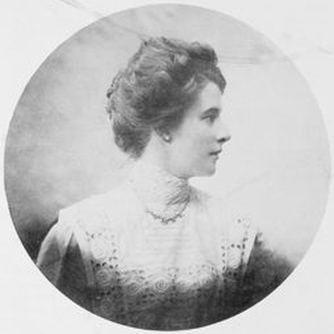
Edna Walling – Three of Pentacles

The Three of Pentacles is the card of the master craftsperson. It conjures images of someone who is highly skilled in their area of expertise. The individual has achieved the highest level of knowledge and ability in their chosen field. Unlike the Swords which speak of intellectual knowing this card is closely connected with the arts.
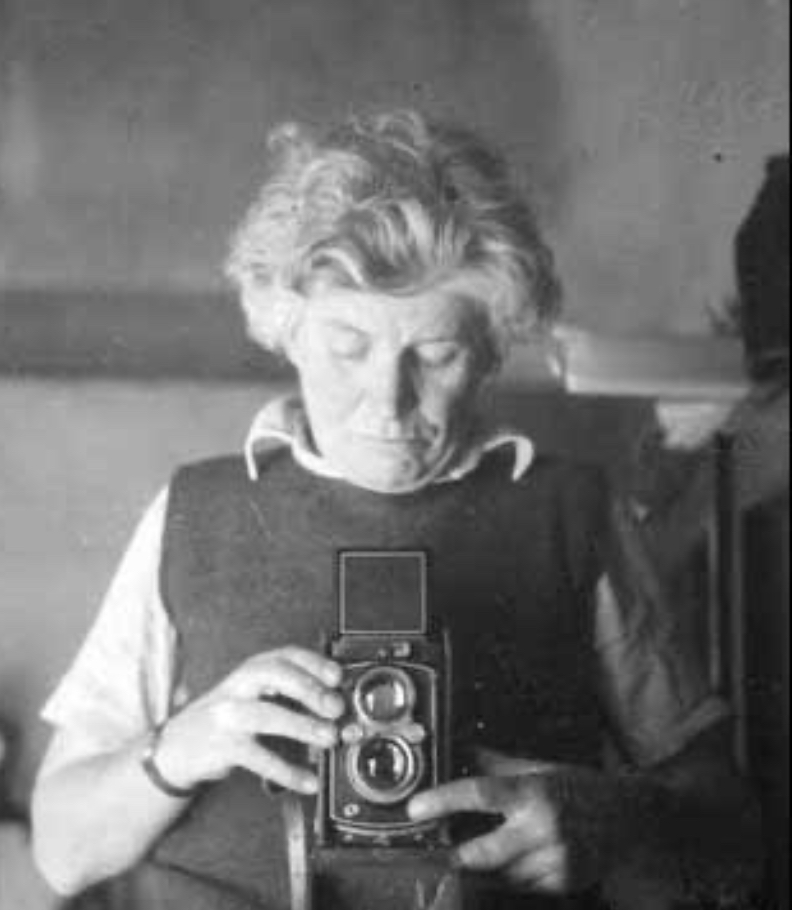
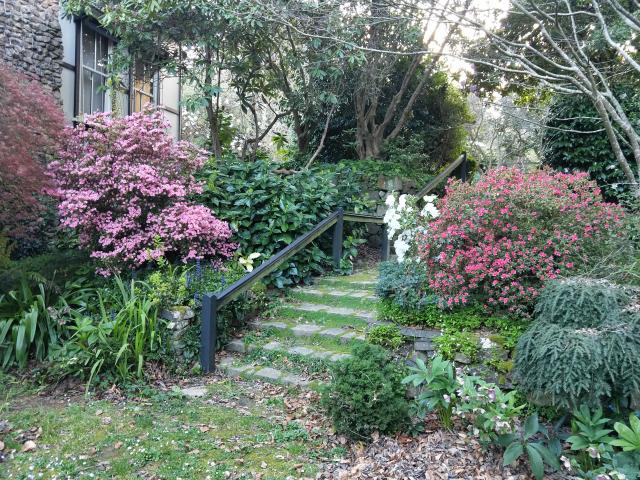
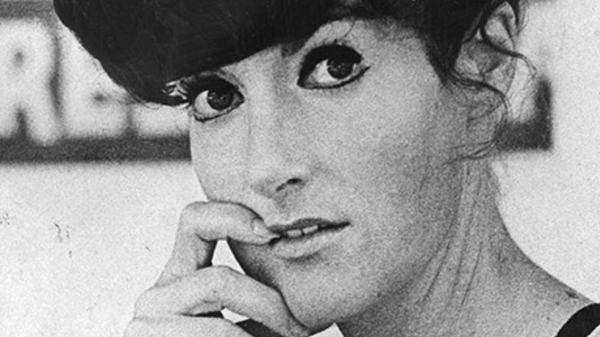
Edna Walling is arguably Australia’s best-known and most influential garden designer. In gardening and landscape design circles, Walling is considered royalty.

Walling began her career in 1919 after graduating from Burnley Horticultural College. She sought to achieve a unity between house and garden, and was influenced by Italian and Spanish gardens in her use of pergolas, walls, steps and paths.

Walling designed and constructed many well-known private gardens in Australia in the mid-20th century, for clients such as Dame Nellie Melba, Dame Elisabeth Murdoch and Sir Frank Packer.

A prolific garden designer, writer, photographer, water colourist and passionate conservationist, Walling introduced Australians to a different way of gardening – one where perennials and hardy shrubs replaced bedding annuals, beautifully proportioned stone walls, pergolas and stairs provided architectural framework, and plants such as forget-me-nots and foxgloves were encouraged to self seed. Her gardens became intimate and tranquil spaces for their owners.

Not only did she pioneer the use of native plants and initiate her own urban development while still in her mid 20s, throughout her life Walling also wrote prolifically on gardening for magazines and books. Her designs, both formal and informal, can be seen in gardens throughout southern Australia, many of which were early examples of sustainable gardens, favouring drought hardy native plants over introduced species.

Four of Walling’s books were published in her lifetime and a fifth posthumously in 1984. She contributed hundreds of articles to The Australian Home Beautiful from 1925 to 1947 and left several unpublished manuscripts, now held in the Library’s manuscript collection. One of these, ‘The happiest days of my life’, is a personal account of the building of her beach house above the Great Ocean Road near Lorne.

Leaving a Legacy
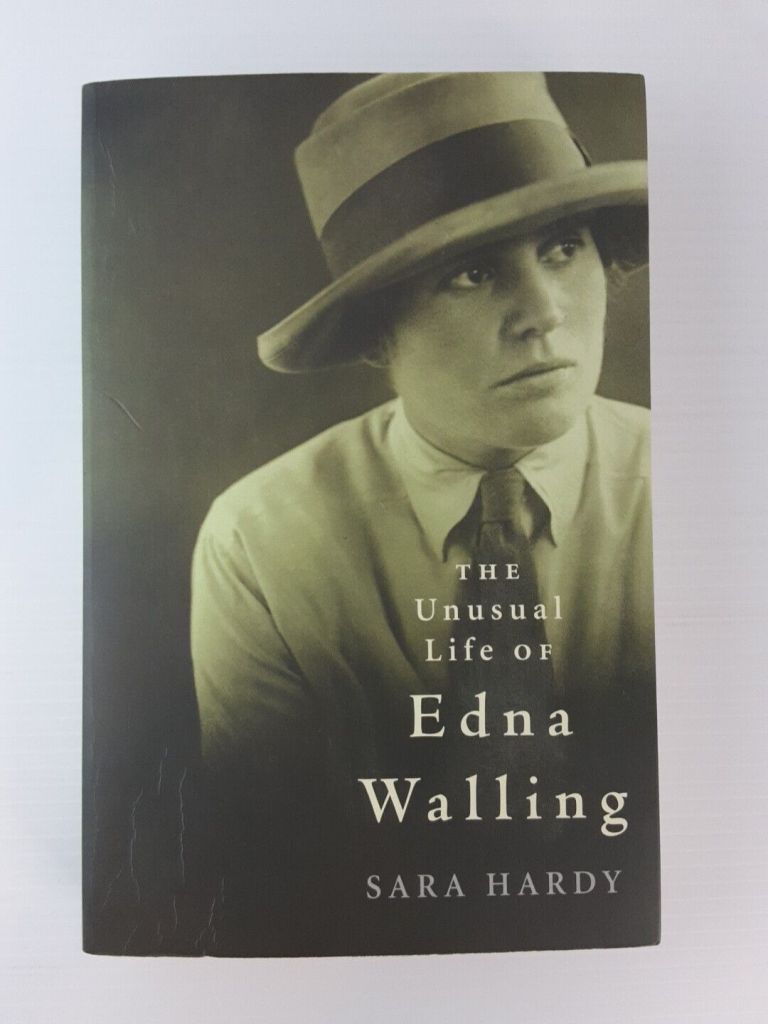
Despite the fact that Walling was a fabulous self-publicist and a very unusual woman in her time, her private life has remained a mystery.Actress and playwright Sara Hardy was compelled to find out what made Edna tick when she was cast as Miss Walling in a play in 1989. Keen to research her character, she discovered that the available material was all about the gardens. And so began a journey of discovery. Hardy has unearthed amazing primary sources: letters, photographs, stories told to her by Edna’s niece, and has been wholeheartedly supported in her quest by the two main documenters of the gardens, Peter Watts and Trisha Dixon.

Walling leaves a rich legacy! Today, Edna Walling’s landscaping legacy continues to influence contemporary designers.

What would the title of a book about you be? What would you like your legacy to be?
Posted in Women's Stories

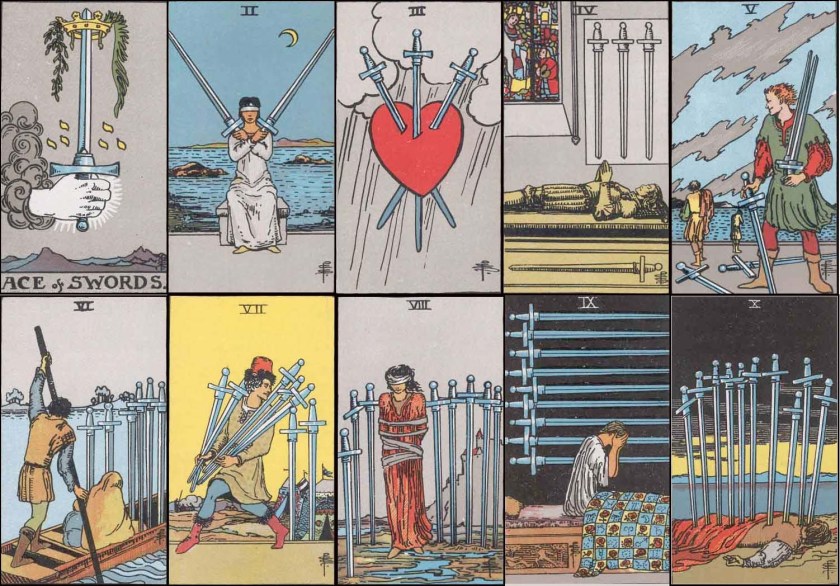
Waltz with the Suit of Swords

Swords

associated with the mental realm. Rationality, logic, communication. Useful thoughts as well as anxieties and fears.

Ace of Swords – Catherine Hay Thomson
Two of Swords – Julia Gillard
Three of Swords – Gina Chick
Four of Swords – Leigh Sales
Five of Swords - Isabella Mary Kelly – Pioneer Squatter
Six of Swords – Kay Cottee
Seven of Swords – The Matilda Effect
Eight of Swords – Lindy Chamberlain
Nine of Swords – Carolyn Hunt
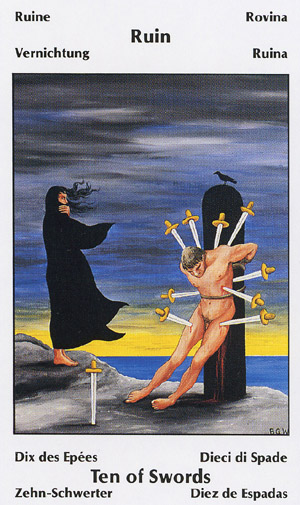
Ten of Swords – Catherine Folbigg
Page of Swords – Geraldine Doogue
Knight of Swords – Dorothy Drain
Queen of Swords – Mary Gauldron
King of Swords – Vida Goldstein

Posted in Matilda's, Memoir Writing, Narrative Therapy, Women's Health, Women's Stories

Six of Swords – Kay Cottee

Journeys, travel, guidance, searching, quests, treasure, death, transition, movement

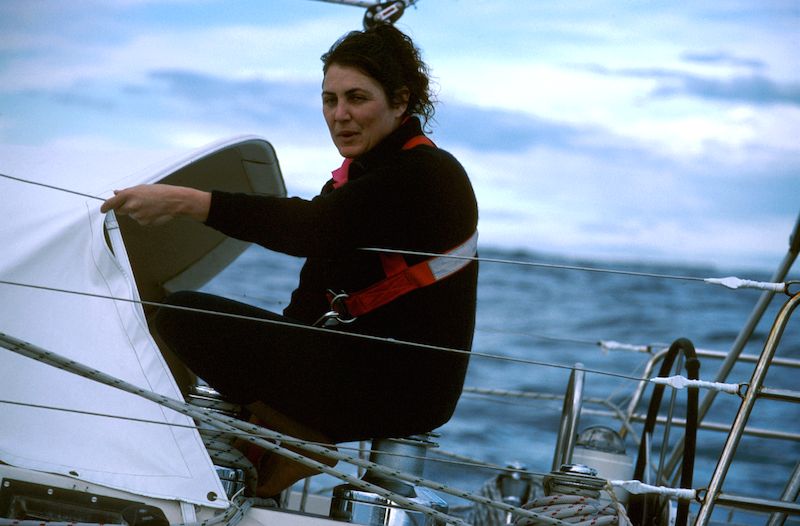
Australian Kay Cottee sailed her 11.2-metre yacht Blackmores First Lady out of Sydney Harbour hoping to be the first woman to circumnavigate the world alone, without stopping, without assistance, by way of both hemispheres and the five southernmost capes.

Over the next 189 days, she experienced the incredible beauty, discomfort and terror of solo sailing in the Southern Ocean. Her yacht was knocked down several times, including once off the southern coast of Africa in 100-knot winds and 20-metre seas. Washed overboard, she was saved by two safety lines.


“Kay Cottee AO inspired generations of female sailors when she became the first woman to sail unassisted, non-stop around the globe via both hemispheres,” said the Selection Panel in announcing her induction. “To this day, Cottee remains an inspiration to people of all generations across the globe.”

On 5 June 1988, after 189 days at sea, Cottee returned victorious: the first woman to achieve this feat (and the fastest woman around the world). She was greeted by more than 100,000 well-wishers as she sailed into Sydney Harbour. She had sailed 22,100 nautical miles at an average speed of 117 nautical miles per day (the fastest by a woman) and set seven world records. Kay was named the 1988 Australian of the Year and made an Officer of the Order of Australia.

Posted in Matilda's, Memoir Writing, Narrative Therapy, Women's Health, Women's Stories

Geraldine Doogue – Page of Swords

Geraldine Doogue is one of Australia’s most accomplished and versatile journalists, excelling in print, radio and television. At the ABC and Channel Ten, she presented and reported for national news and current affairs television programs. On ABC radio, as host of Life Matters and then Compass for 30 years, her soothing voice and sharp mind brought relevance and meaning to the challenging subjects of faith, spirituality, religion and ethics while never adopting a preaching approach.

As with all pages, this is a card of curiosity. The Page of Swords is an explorer of the mind, of thoughts, ideas, plans. This is a person who will climb a mountain, for the sake of seeing the view. They want to know where they are – but more importantly, they want to know why.

The Page of Swords seeks answers. They may be a student, particularly a academic learner, or someone studying books or words. Remember that swords are the suit of communication. This is also the suit of logic, and this page likes to figure out what is going on.

Ever hungry for new perspectives, the Page talks to others, asking questions, gathering a range of views. They want to hear it all. As a ‘child’, a degree of naivety may be present here, as the Page of Swords is like a sponge soaking up everything around them, perhaps neglecting to work out what their own take on things is.
Source: Little Red Tarot

Posted in Matilda's, Memoir Writing, Narrative Therapy, Women's Health, Women's Stories

King of Swords – Vida Goldstein

Structure, routine, intelligent, rational, logical, power, authority, strength, manners, conversation, discerning, detached, cool, honesty, integrity, ethics, morals, clinical, stern, methodical, self-discipline, head over heart, use your head, military, law enforcement, legal matters, judge

Goldstein was a speaker, writer and campaigner. Throughout the war she was an ardent pacifist, became chairman of the Peace Alliance and formed the Women’s Peace Army. She recruited Adela Pankhurst, recently arrived from England as an organiser.


Throughout the 19th century and into the early 20th century, most men – and some women – believed that a woman’s place was in the home, looking after her husband and children. The idea of women having a political voice was laughable, and furthermore, the concept of a female politician was unheard of.

One of the leading advocates for women’s rights in Victoria was Portland, Victoria-born suffragist Vida Goldstein. Throughout the late 1800s and early 1900s, Goldstein campaigned strongly for women’s equality, including universal suffrage and equal pay for equal work.

When Goldstein began her career in the 1870s women had no right to buy property, so Vida lobbied for a change to that law. She also ran a co-ed primary school, founded the monthly publication Women’s Sphere, launched the weekly publication The Women’s Voter, and was a founding member of the National Council of Women.

Here, we meet a person who is steadfastly confident in their beliefs. A profoundly fair person, to the point that there is no space for grey areas between the black and the white, the King of Swords lays down the law.

In 1903 Goldstein became the first woman in the British Empire to stand for election in a national parliament. She tried five times over 14 years to be elected to the Senate, with her last attempt at a seat in the House of Representatives in 1917. But while voting numbers showed her increasing popularity, she was never elected to office.

The mid-1900s saw some minor landmarks for women’s political rights. However, it was not until after 1980, when Susan Ryan became the first woman cabinet minister, that the federal Sex Discrimination Act 1984 was passed.

The Act made it illegal to discriminate against anyone based on their gender, marital status or family responsibilities. It was a huge step for Australia’s women’s rights movement.

Vida died from cancer in 1949, so she wasn’t able to see the result of her efforts, but her contribution to women’s political rights in Victoria remains as important today as it was in the early 20th century.

Posted in Matilda's, Memoir Writing, Tarot Story Exchanges, Women's Health, Women's Stories

Gina Chick – Three of Swords

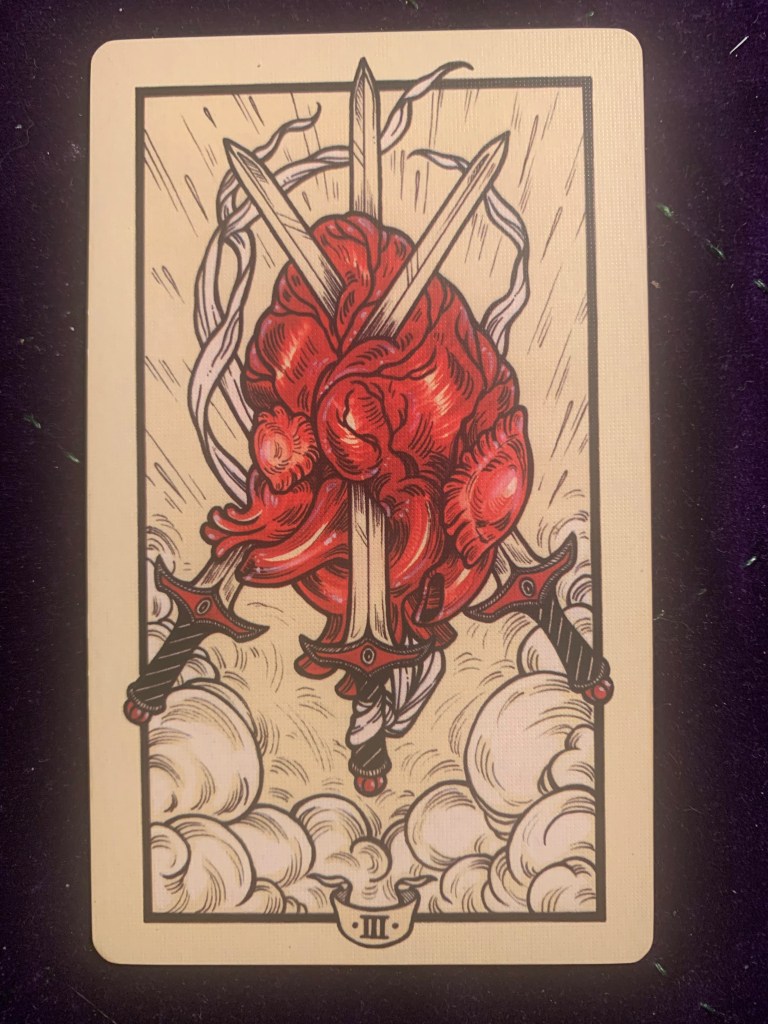
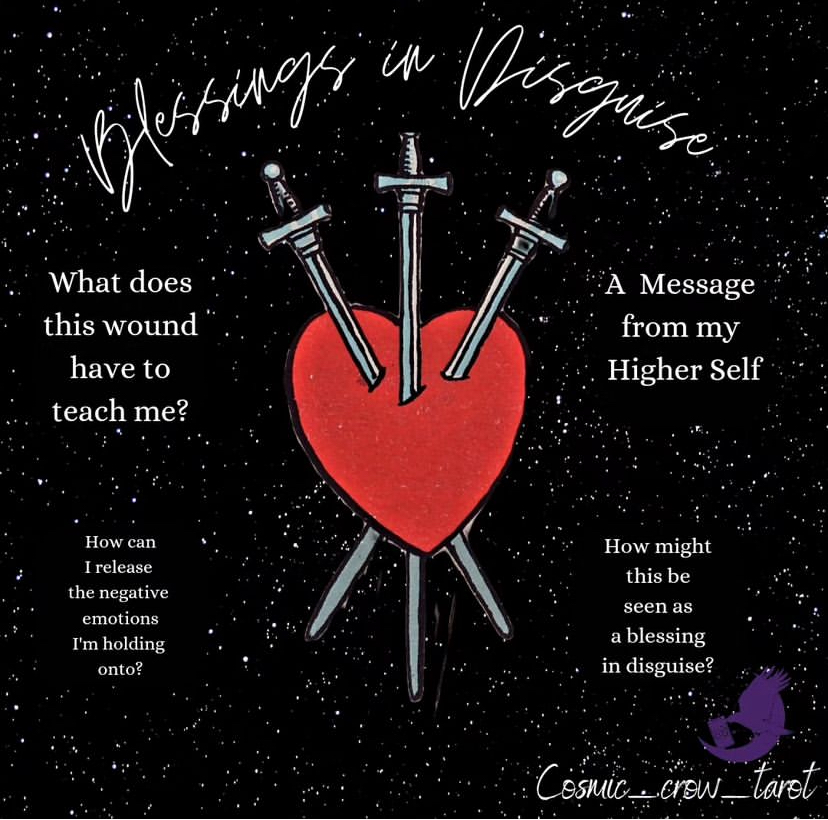
One of the most iconic images in the tarot, the Three of Swords displays a floating heart that is pierced by three swords. Above it, there are heavy clouds. There is also a heavy downpour in the background. The symbolism is pretty opaque, and the emotional effect that it has is immediate. The heart is the seat of warmth, affection and spirit, and the three swords indicate the power to harm, cause pain, and create suffering to what it pierces. This is an image of grief, loss and literally heartbreak. The clouds and rain depict the surrounding grimness of the situation. All these symbols point to the Three of Swords showing a low point in one’s life.
source: Labyrinthos

From the Fyodor Pavlov Tarot

Gina Chick, a rewilding facilitator, was the first woman to win Alone Australia, the survival show in which contestants compete for a big cash prize after being dropped in remote wilderness to survive (alone) for as long as they can. 

While her journey in the wild was inspiring it was her vunerability, her willingness to share her dance with traumatic loss and grief and the loss of her infant daughter to cancer which captured the imagination of Australians.

Processing Loss and Grief

Let us be clear! There is no set way of processing loss and grief and there are no timelines that one can observe. The ideas presented here are just ideas, processes that have helped some, but not all.

Use a spread to open a fresh window of perspective.

If you are a devotee of Tarot and Oracle cards you can lay down the Three of Swords in the centre and pull four cards. There is no magic involved. It is a simple reality that when you look at the images in the cards nuances and points of reference may rise up that help clarify the matter.

Make a Battle/Scar Cloak

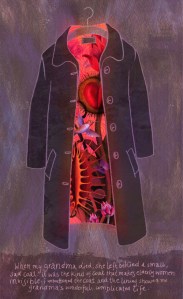
In her book Women Who Run With The Wolves in Chapter 13, Clarissa Pinkola Estes writes about Battle Scars and describes a process she uses in workshops. She shows women how to make a full length scapecoat from cloth or other material. This coat details in painting and writing and with all manner of things pinned and stitched to it, all the name calling a woman has endured, all the slurs, all the traumas, all the wounds, all the scars.

Of course this coat may become so heavy that you need a chorus of Muses to carry and sing over it but I think you get the idea! It helps heal!

Posted in Matilda's, Memoir Writing, Narrative Therapy, Women's Health, Women's Stories

Five of Swords – Juanita Nielsen

The Five of Swords Tarot card comes with a warning as it can signify hostility, aggression, intimidation and violence and as such it can represent situations we would hope to never encounter in our lives such as crime, theft, bullying, abuse, assault, rape, murder. 

Juanita Nielsen, a member of a prominent Sydney family, was a passionate activist and journalist. She lived in a terrace house in Victoria Street, Kings Cross, Sydney, and her father bought her a local newspaper called ‘Now’ which she published from her home.

There are some battles which put our lives at stake and taking on F.W. Theeman was one of them. Juanita conducted a vigorous editorial campaign in support of the ‘green ban’ movement against the redevelopment of Victoria Street by Theeman’s real-estate company, Victoria Point Pty Ltd. With her neighbour and trade-union activist Jack (‘Mick’) Fowler, she played a prominent role in mobilising residents against the demolition of Victoria Street’s historic terraces and the eviction of their tenants.

On 4 July 1975 after visiting the Carousel (previously Les Girls)—a transvestite nightclub and underworld haunt at Kings Cross—on advertising business vanished and was never seen again. During initial investigations, police uncovered information relating to a conspiracy to kidnap Ms Nielsen on Monday 30 June 1975 – four days prior to her last known sighting.

The “Five of Swords” in Tarot typically represents conflict, defeat, and betrayal. It can indicate a situation where someone has come out on top at the expense of others, often through manipulation or deceit. This card encourages reflection on whether the victory is worth the cost and advises against seeking success at the expense of others.

Attempts to find her or her corpse have proved fruitless and no one was ever charged with her murder. Despite public outcry, the mystery remains a major case in the annals of unsolved Australian crimes and has been the subject of podcasts and television programs. There is a significant reward for information that will finally provide some closure, especially for extended family.

The Five of Swords represents a conflict or tension between individuals, which, if not resolved, will be a no-win scenario for everyone involved. This card symbolizes loss, betrayal, weakness, and the realization of limitations, which often stems from the desire always to come first, which is the root cause of the conflict, to begin with.

Much of Victoria Street was saved, but Juanita paid the ultimate price. She is remembered as a fierce advocate of community values and fighter against corruption. Her small terrace house at 202 Victoria Street is now heritage listed.

Posted in Matilda's, Memoir Writing, Narrative Therapy, Women's Health, Women's Stories

Eight of Wands – Clarice Beckett

The message is loud and clear. When the Eight of Wands appears in a tarot reading, it provides a cosmic signal from the universe that everything is about to get moving and FAST! After years lying in a barn in obscurity word of Clarice Beckett’s outstanding art work is gaining momentum and a life of its own.

The Eight of Wands tarot card holds a powerful message of swift action, rapid progression, and forward momentum. It urges us to seize opportunities and anticipate swift outcomes. Like rockets soaring through the sky, our desires are quickly moving from the realm of imagination to the realm of tangible existence.

Clarice Beckett was born in 1887 in Casterton in regional Victoria. Today she is recognised as one of Australia’s most important painters of the interwar period, yet her contribution was almost completely lost to art history. Many of Beckett’s paintings were either destroyed or damaged after her premature death in 1935 from pneumonia which she contracted while painting in the rain near her seaside home at Beaumaris, Melbourne.

“To give a sincere and truthful representation of a portion of the beauty of Nature, and to show the charm of light and shade, which I try to give forth in correct tones so as to give as nearly as possible an exact illusion of reality

Clarice Beckett, 1923

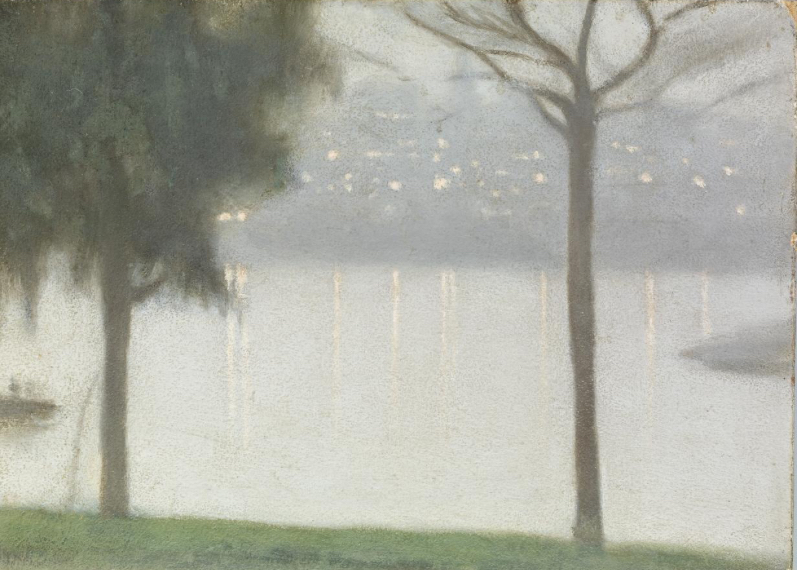
Beckett depicted everyday views of her local environment including transient subjects such as moving cars, trams, lone figures, waves and shadows. Her misty paintings of modern Melbourne in the 1920s and 1930s captured the outdoors, including sea and beachscapes, and suburban street scenes, that often recorded the shifting effects of light– either in the quiet, early morning or in the stillness of the evening.

Her paintings of the local environment possess a sense of timelessness. No prior knowledge is required to appreciate Beckett’s paintings, anyone who has engaged with the outside world can relate to and experience a connection to these subtle and silent paintings of nature.

Australian artist Clarice Beckett received very little recognition during her lifetime and re-emerged from obscurity when thousands of her works were discovered in country Victoria. She is now considered one of Australia’s leading female artists of the early twentieth century.

NGV Australia

The reputation of this modernist painter has been successfully revived thanks largely to the lifelong work of art historian Dr Rosalind Hollindrake. But a biographer’s work is never done. Now aged 86 and the only person to interview those who knew Beckett, Rosalind is still uncovering things about the elusive, brilliant artist, lauded as the greatest female Australian artist we ever knew.

Posted in Matilda's, Memoir Writing, Narrative Therapy, Tarot Story Exchanges, Women's Stories

Six of Pentacles – Ruby Hunter

generosity, charity, community, material help, support, sharing, giving and receiving, gratitude

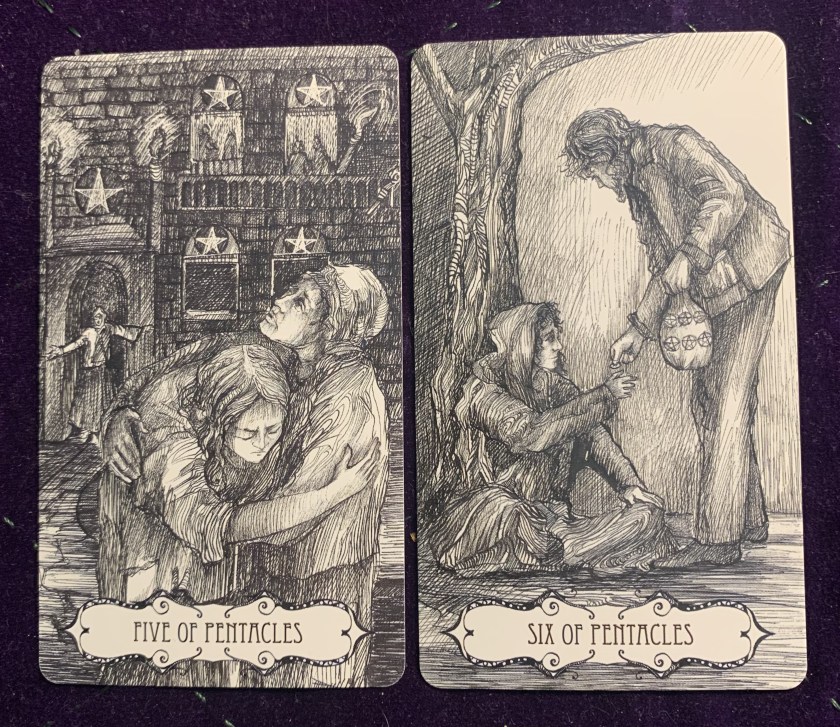
From The Tarot of the Abyss

It is no news to those who love Tarot that the cards can help us talk about the good, the bad and the ugly things that we all face on this planet. These images can help us to find the words to describe how we are feeling and they also have the capacity to draw out long buried memories.

The Five and Six of Pentacles can describe the almost cliche rags to riches story and equally can help us celebrate triumph in the face of adversity.

Ruby Hunter (1955-2010), singer/songwriter, was a Ngarrindjeri/ Kukatha/ Pitjantjatjara woman from South Australia. At the age of eight she and her four siblings and herself were taken from their family. She was placed in the Seaforth Children’s Home. Ruby remembered that the Government Authorities simply arrived one day in a big car, promising their grandmother that they were taking the children to the circus. At the time they were living with their grandmother on the Coorong at Meningie.

Ruby believed that the achievement of which she was most proud was keeping her family – Roach, their two children and three foster children – together as a stable unit.

While homeless Ruby met Archie Roach, also a member of the Stolen Generations, who had drifted to Adelaide from Mildura across the Victorian border. They met at a Salvation Army drop in centre as they were both living on the street. Forming a unique friendship during their time together on the streets of Adelaide, they formed an enduring bond that would last for the rest of Ruby’s life. They were inseparable partners.

During her life Ruby worked tirelessly to support and encourage young Aboriginal people, running an open house for teenagers. Ruby and Archie together cared for 14 children in a family house group home run by the Victorian Aboriginal Child Care Agency. Later they made their own home a welcoming haven for homeless and disadvantaged young people.

Ruby was also a strong advocate against domestic violence, and a voice for the stolen generations, and between them Ruby and Archie raised many foster children with their own two boys. Ruby believed that the achievement of which she was most proud was keeping her family – Roach, their two children and three foster children – together as a stable unit. She died of a heart attack at the age of 55.

Archie, unlike those who claimed work that had been written by their women, proudly tells the story of how his wife, Ruby, wrote Down City Streets.

Philanthropic Energy

Caroline Chisholm

Posted in Matilda's, Memoir Writing, Narrative Therapy, Women's Health, Women's Stories

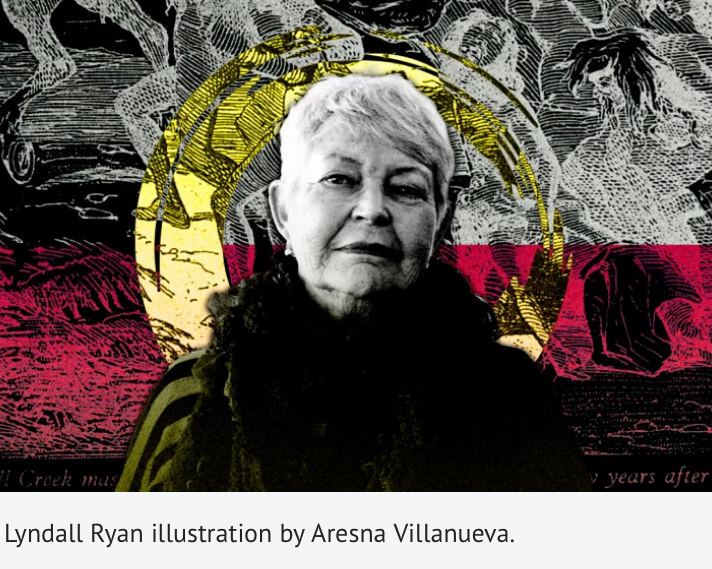
Five of Swords – Professor Lyndall Ryan

There is little positive to say about the five of swords, especially at this time in history as we witness the horrors in active war zones. There is even less that is positive if you lay Barbara Walker’s Five of Swords alongside the Ten of Swords. It’s about a battle in which there actually are no winners – by the time someone had triumphed, it was over anyway. There may ‘officially’ be winner and a loser… but from over here it doesn’t look like anyone is triumphant. And then there are the ongoing ripple effects of what has been done.

During their school years the majority of Australian students are not taught about the Indigenous massacres on Australian soil or are able to gain an understanding of what the stolen generation is all about. Even if they do watch ‘Rabbit Proof Fence’ or hear about these horrors. there are disturbing truths about the aftermath of all these actions that need to be acknowledged. It takes courage to look dispassionately at this stuff and understand the trails of trauma that have shaped so many lives.

The daughter of Edna Minna Ryan (1904–1997) a committed feminist, communist and trade unionist, Emeritus Professor Lyndall Ryan believes that she was bestowed with a responsibility to present available facts and figures about indigenous massacres in Australia. It is her wish to present material in such a way that helps people understand and come to terms with the events of the past.

For the past eight years this 79-year-old and her research team have upheld an unwavering commitment to uncover and confirm the truth about Australia’s early colonial history.

It’s been an endeavour that has unearthed confronting and deeply disturbing details of the colonial frontier massacres of Aboriginal and Torres Strait Islander people.

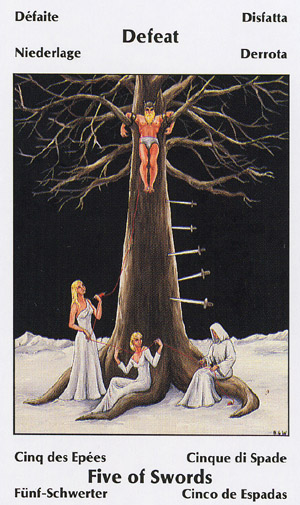
The image of the 5 of Swords is usually depicted with a person who has captured the swords of his adversaries who are leaving, rejected and lost. There are storm clouds in the background. This card shows that you might be the conqueror or the conquered. But neither position has actually won. This battle was pointless, it was unfair and it was full of cowardliness. Basically, this is not one of the higher points of life.

The research project’s fourth and final stage’s recently released findings now estimate more than 10,000 Aboriginal and Torres Strait Islander people’s lives were lost during at least 414 massacres committed during the period 1788 to 1930.

Evidence also shows around half the frontier massacres were carried out by colonial officials, such as police and soldiers, either solely, or in conjunction with settlers and/or their employees.

And unexpectedly, the attacks during the spread of pastoral settlement in Australia did not decrease as the decades passed; they intensified.  More massacres occurred in the period 1860 to 1930 than in the earlier period of 1788 to 1860.

Posted in Matilda's, Memoir Writing, Narrative Therapy, Women's Health, Women's Stories

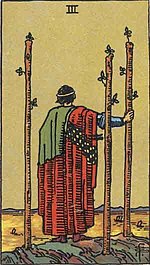
Three of Wands – Vivian Bullwinkle

The Three of Wands holds the power to propel us forward, after a bad experience, on our journey towards growth and expansion.

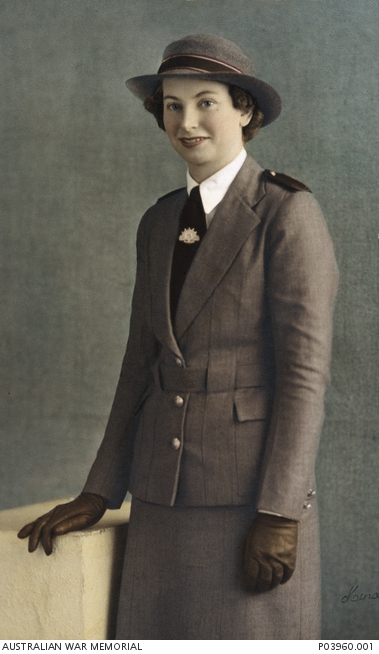
Vivian Bullwinkel, sole survivor of the 1942 Banka Island massacre, was born on 18 December 1915 at Kapunda, South Australia. She trained as a nurse and midwife at Broken Hill, New South Wales, and began her nursing career in Hamilton, Victoria, before moving to the Jessie McPherson Hospital in Melbourne in 1940.

Bullwinkles story is one of Australia’s most well-known stories of World War 2. She became known as a symbol of strength for nursing. Aside from her survival at Banka Island she and her companions, who were prisoners of war during World War II, refused the position of victim and went on to contribute much to the world after their ordeal.

The Three of Wands may signal the possibility for a major expansion. Whether this be in a new direction or taking over the world, you can begin plotting your next move.  Don’t be thinking small – this card encourages big, epic visions.  The Three of Wands also can suggest an opportunity on the horizon.  That ship you were waiting on is in view. 

When Vivian Bullwinkel returned home she devoted the decades after the war to nursing and honouring those who did not survive Bangka Island. She and fellow POW survivor Betty Jeffrey raised funds for a memorial. The Nurses Memorial Centre, a ‘living memorial’ to Australian nurses who had died in war, opened in Melbourne in 1949. Betty was its first administrator.

Vivian rose to become Matron of the Queen’s Memorial Infectious Diseases Hospital, in Melbourne, served on the Council of the Australian War Memorial and as president of the Australian College of Nursing. Honours earned include the Florence Nightingale Medal, an MBE and the AM.

Bullwinkle embodied important elements of resilience and it is our duty to convey to future generations so that they may be inspired to rise above adversity, foster connection with like-minded others, use adaptive coping mechanisms and soft power, be gentle yet persistent in their resistance practices, and most of all to do good work throughout their lives.

Posted in Matilda's, Memoir Writing, Narrative Therapy, Women's Health, Women's Stories

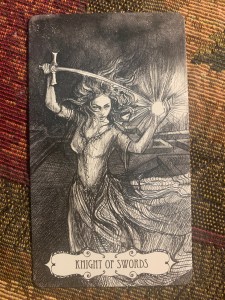
Knight of Swords – Dorothy Drain

The Knight of Swords in tarot represents a person who is intelligent, quick-witted, and decisive. They are often seen as being a bit of a maverick, the warrior, as they are not afraid to go against the grain or challenge the status quo. They are also very independent and resourceful, and they are always up for a new challenge.

Here are some of the key characteristics of the Knight of Swords as a person:

  • Intelligence: The Knight of Swords is a very intelligent person. They have a quick mind and they are able to see the big picture. They are also very good at problem-solving and they are always coming up with new ideas.
  • Decisiveness: The Knight of Swords is a very decisive person. They are not afraid to make decisions, even if they are difficult ones. They are also very good at following through on their decisions.
  • Independence: The Knight of Swords is a very independent person. They do not like to be told what to do, and they prefer to forge their own path. They are also very resourceful and they are able to find solutions to problems on their own.
  • Adventurous: The Knight of Swords is an adventurous person. They are always up for a new challenge and they are not afraid to take risks. They are also very curious and they are always learning new things

The Knight of Swords might manifest in a person’s life as lawyer who is passionate about justice, a journalist who is always digging for the truth, an entrepreneur who is always starting new businesses, a soldier who is brave and courageous or a scientist asking question.

Journalist Dorothy Drain was born in Mount Morgan, Queensland, in 1909. A pioneer journalist in her field who wrote from the heart. Dorothy travelled overseas and saw first-hand the devastation of war in places like Hiroshima. She reported from Japan, Malaya, Korea and Vietnam and is remembered as one of Australia’s most outstanding journalists who helped pave the way for the Australian women journalists, editors, and war correspondents of today.

Dorothy Drain was certainly someone to shake things up a little, make a controversial statement or speak an important and genuine truth.

Alternative Perspectives – Who Would You Choose?

The Knight of Swords tarot card denotes a communicative, strong-minded, and at times opinionated person who is very action-oriented and thrives on change.

Given that there are literally thousands of artists identifying individuals to associate with a card this is a subjective process.

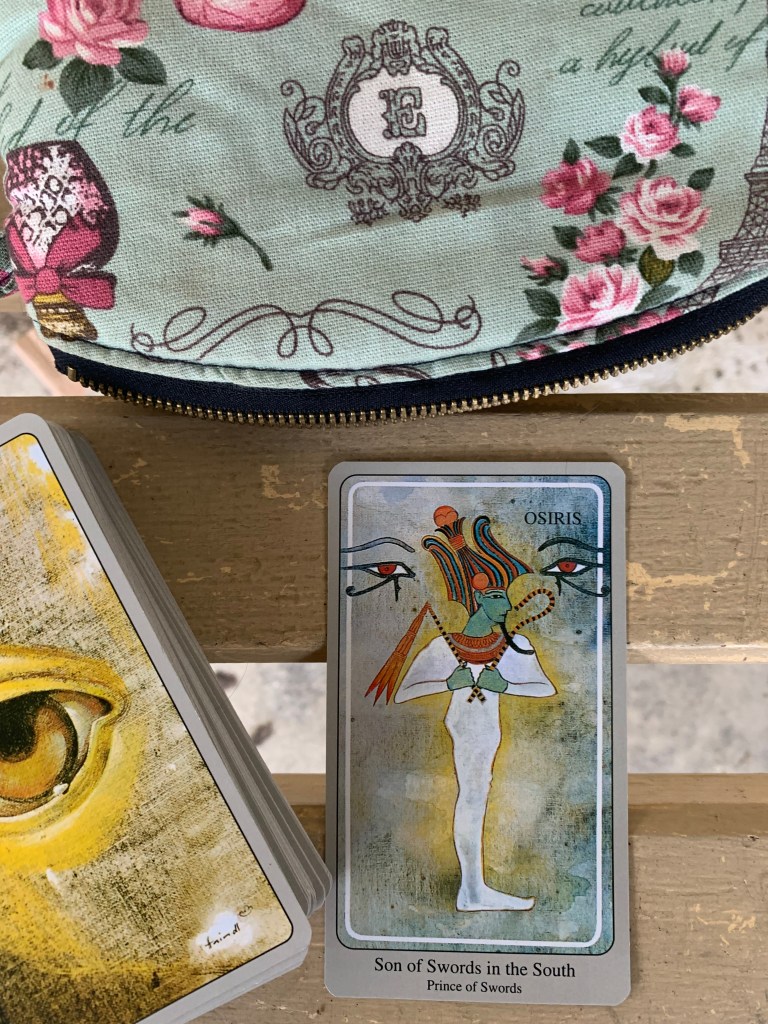
In the Haindl Tarot, Haindl presents Osiris as the Knight of Swords. Osiris was the god and chief judge of the underworld but he was also the god of vegetation. The annual Nile flood and was closely associated with death, resurrection and fertility. The ancient Egyptians believed him to be a dead king, a former ruler who had been miraculously restored to life after being murdered by his brother Seth. For this reason he came to symbolise the hope for eternal life that every Egyptian held.

Who springs to mind when you see the Knight of Swords? Perhaps write a portraiture or develop a character with Knight of Swords qualities.