Posted in Matilda's, Memoir Writing, Narrative Therapy, Women's Stories

The Emperor – Elizabeth Macarthur

The Emperor wants you to know that in order to go out into the big world you need both inner and outer authority. Inner authority allows you to make the best decisions for yourself while outer authority enables you to create your place in the world and be seen and recognized.
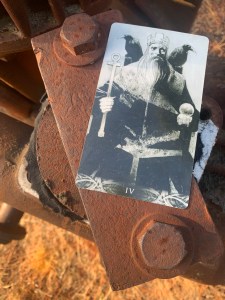
The Emperor represents stability, order, and dominion. In the most practical terms, the Emperor Tarot card represents the highest leadership, a head of state, or the most exemplary and powerful person in the realm.When this stern fellow shows up in your reading, issues of power and control may be at play.  However the appearance of this card in a spread, given that it alludes to achievement through hard work and discipline, may also provide an opportunity to ask about the qualities which will successfully support a business venture. 

Within the Tarot community the Emperor is generally believed to represent dealings with male authority figures. However there are many women who have the same qualities. So, be you male or female, when you see this card in a reading it is an opportunity to take a moment and acknowledge your potential for mastery of your personal realm. It is a time to reinforce a sense of sovereignty within yourself, despite any self-limiting beliefs, habits, or appearances to the contrary.

Elizabeth Macarthur (1766-1850), was born on 14 August 1766 in Devon, England, daughter of Richard Veale, farmer, and his wife Grace, who were apparently of some education and affluence. Elizabeth received an education which allowed her to write letters of eighteenth-century style and grace and which equipped her to manage the complicated affairs of her husband’s business in later life. She married John Macarthur in October 1788. In June 1789 he joined the New South Wales Corps and Elizabeth accompanied him when he sailed to take up his position in the colony.

By 1794, the Macarthurs had built Elizabeth Farm, a brick house at Parramatta. They had a beautiful garden and the children received an excellent education. In 1809, her husband was forced to leave the colony and return to England. Business partners administered his mercantile affairs but Elizabeth was responsible for the care of their valuable merino flocks, the Camden Park estate and their convict labourers. She did so successfully for eight years, visiting their estate regularly despite the danger of venturing into the bush.

If the Emperor appears in a Tarot spread as a woman, that means that this person is a figure of authority, control, and discipline. This is someone who exudes an air of command, evident in her carriage, her gaze, and even the space she occupies. You can sense her influence and leadership capabilities, leaving little room for doubt that she’s a person of significant power.

Michelle Scott Tucker lives on a small farm in regional Victoria with her husband and children. Her first book was Elizabeth Macarthur: A Life at the Edge of the World

Michelle Scott Tucker wrote a biography of Elizabeth Macarthur, highlighting that it was her who established the Australian wool industry (although her husband received all the credit).

In the words of historian Clare Wright, Tucker’s bio brings Elizabeth Macarthur out from the long shadow of her infamous, entrepreneurial husband.

The truth is that Elizabeth oversaw every aspect of the management of their flocks and communicated with her husband while he was in England. As a result of their joint interest they were able to sell their wool competitively in the British market and effectively established the reputation of the colony as a centre for this industry. It was Elizabeth’s critical contribution to the establishment of a local fine wool industry that helped set the course of Australian prosperity, and gave the wool trade’s its long-held significance to the national economy.

More Emperors

This card is suggestive of stability and security in life. You are on top of things and everything in under your control. It is your hard work, discipline and self control that have bought you this far. It means that you are in charge of your life now setting up your own rules and boundaries.

Posted in Matilda's, Memoir Writing, Narrative Therapy, Women's Health

Fiona Woods – Magician

Newton was not the first of the age of reason. He was the last of the magicians…

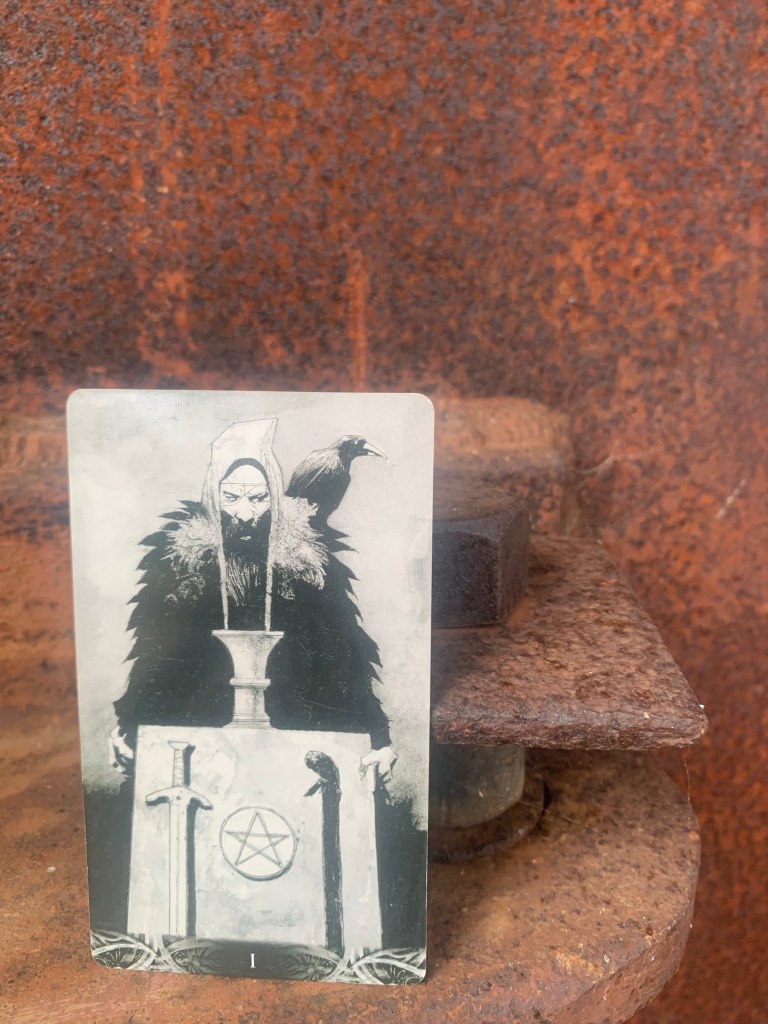
The Magician is one of the most compelling figures in the Tarot. Standing before an altar laid with the symbols of all four suits, he represents the ability to transform ideas into reality through skill, knowledge, focus and action. The Magician reminds us that the resources we need are often already at hand; the challenge is recognising them and learning how to use them wisely.

In mythology, the Magician finds an early expression in Hermes (Mercury in Roman tradition), the messenger god of Mount Olympus. Hermes carried the Caduceus, a magical staff gifted to him by Apollo. The Caduceus has long been associated with healing and transformation, and is often seen as a symbol of the spinal column, the central conduit through which life force and nerve energy flow throughout the body.

The appearance of the Magician points to the talents, capabilities and resources available to us when we choose to apply them. Magical powers do not emanate from us directly. Rather, they emerge through our creativity and through the tools we place in our hands. Given the right instruments, scientists become magicians. Their wands are microscopes, scalpels, laboratories and technologies that allow them to transform what once seemed impossible into reality.

Few modern Australians embody the spirit of the Magician more completely than Professor Fiona Wood. A plastic and reconstructive surgeon and researcher for almost three decades, she has dedicated her career to improving outcomes for burns patients and advancing the science of wound healing. In 1991 she became Western Australia’s first female plastic surgeon.

Magic is just science that we don’t understand yet – Arthur C Clark

In October 2002, Fiona Wood was thrust into the national spotlight when many survivors of the Bali bombings were transferred to Royal Perth Hospital. She led Western Australia’s burns disaster response, drawing upon years of planning and preparation. Earlier in her career, she had pioneered the revolutionary “spray-on skin” technique, dramatically reducing permanent scarring in burns victims. Patented in 1993, the innovation would later be promoted worldwide through a company she co-founded.

Like the Magician of the Tarot, Fiona Wood demonstrates how knowledge, imagination and the right tools can be combined to create extraordinary change. Her work reminds us that true magic is often found not in enchantment, but in the disciplined application of skill, compassion and vision.

More Magicians

The Magician shows us that you are able to master any desired skill through practice, sacrifice and a determined focus on your outcome. He encourages you to invest the time to cultivate your potential abilities.
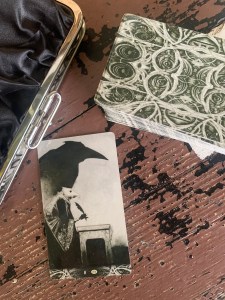
Patrick Valenza – Deviant Moon Tarot.

Setting an Intention

The power of setting intentions cannot be overestimated. Intention is the foundation of spellwork and ritual (for the Magician is a witch and a wizard, too). Intention is the foundation of any serious project. Setting an intention means making a declaration that you intend to do a thing. In doing so, you invite in the energy of the world around you. Where the Fool said “I trust you. I will step forwards”, the Magician says “Here is what I want to do. Will you help me?” Little Red Apple

Whereas the Fool is not clear about where he is headed the Magician has set an intention and has the tools needed. It makes all the difference to know your ‘why’, to set an intention and consciously choosing a direction in which to head. This enables you to focus your energy.

Need help setting an intention? Try this daily morning meditation by Sarah Raymond of the Mindful Movement.

Posted in Matilda's, Memoir Writing, Narrative Therapy, Tarot Story Exchanges, Women's Health, Women's Stories

Story Exchanges

This Eight of Pentacles indicates a time when you have to work hard and hone you skills. It demands focusing entirely on your tasks. The task that you need to accomplish can be personal or professional.

From Murder of Crows Tarot

The Raven Scribe seen here is focused. She is busily working at her desk, documenting stories of the trials, challenges and celebrations of the flock who call her world of Crows home.

Her interest was piqued when she heard about Waltzes with Matildas and suggested that there could be a whole section featuring the stories of women who are actively contributing to the Tarot community in a myriad of fascinating ways.

A deck creator may well choose the Eight of Pentacles to write about the labour and devotion demanded. Another woman might choose the Four of Wands to help her talk about milestones she is celebrating and to spread the word of work she is doing.

Really the possibilities are endless. I wonder if anyone will come and play and exchange a story? There are no hidden costs and nothing to lose. Everyone who engages, no matter their nation, will potentially be a winner as they extend their reach.

Hit the contact section if you want to come and play!

Posted in Matilda's, Memoir Writing, Women's Health, Women's Stories

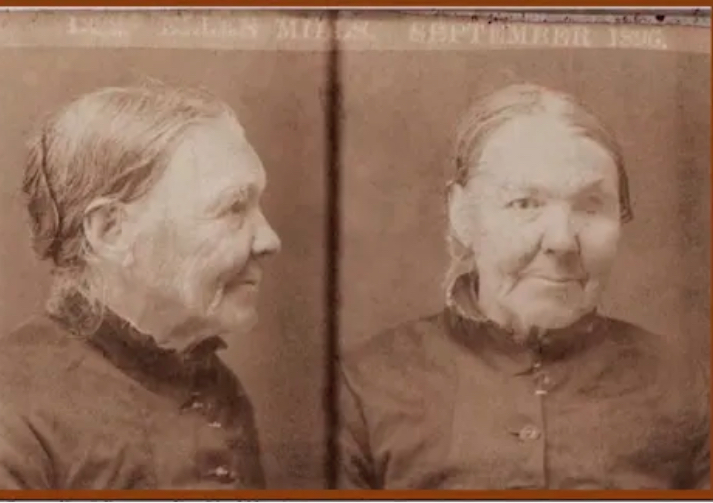
Ellen Miles (Buzzwinker)

Lay down a whole deck of cards and you can be sure that many cards could be used to write about Ellen Miles, or for that matter, any woman featured here – any of us. Her story matters to us today because hers is a rare and unmediated voice from the criminal underclass of women and children who were transported to Australia.

child convict, goldfields pickpocket and vagrant

“—Me name’s Miles; Ellen Miles, remarked an old woman at the City Court yesterday.

And you are charged with vagrancy, stated Sergeant Eason. Can you show the Bench that you have means of support?

‘How can I support myself when I’m continually in gaol and not a shilling coming into the house? What is it at all? What are us old people to do? There is no institution in the country,’ replied Mrs Miles

Ellen (Buzzwinkle) Miles was a child of the 1830s and lived until 1916. How aware she ever was of the Great World outside her tiny one of back lanes, brothels and bars, we have no idea, but her life spanned the history of Victoria from the discovery of gold to Gallipoli.

She did register to vote in 1903, but hers was an underlife as she waddled around Canvas Town, Romeo Lane, the gold fields, Collingwood – and for one mad adventure, to Adelaide, her copious skirts concealing her latest stolen goods. Wherever there was a lurk to exploit and a lark to celebrate, Ellen was there.

Posted in Matilda's, Memoir Writing, Narrative Therapy, Women's Health, Women's Stories

Phyllis Papps and Francesca Curtis

The Two of Cups is a very positive card. While it normally relates to unity and love in romantic relationships it can signify harmony and mutual respect and appreciation in friendships and partnerships.

A strong pair is indicated here, the joy of two becoming one.

The Two of Cups is an exchange. You offer your cup – a container for all the love and pain and mystery in your heart – to someone, to something. In return, you receive their cup. There is so much trust here, so much willingness to be naked in this way.

If the Ace of Cups represents the flow of love from within, the Two of Cups is the flow of love between two people. With this card, you are creating deep connections and partnerships, based on shared values, compassion, and unconditional love.

When the cameras started rolling on Phyllis Papps and Francesca Curtis in October 1970, both their lives and Australia would never be the same.

Fifty-one years ago, the pair made history by being the first lesbian couple to come out on national television, in an interview with the ABC’s This Day Tonight.

“The early 1970s were very, very conservative … Gay women were invisible, because people didn’t think lesbians existed,” said Ms Papps.

The Tarot Card Two of Cups as a person is someone who is very well-balanced and content with their life. They have a strong sense of inner peace and harmony and can bring that positivity to their relationships. They are devoted to their emotions and can express them clearly and openly to those around them.

Ms Papps and Ms Curtis, who are still together and live on Victoria’s Phillip Island, have once again shared their story.

Partnerships

Posted in Matilda's, Memoir Writing, Narrative Therapy, Women's Health, Women's Stories

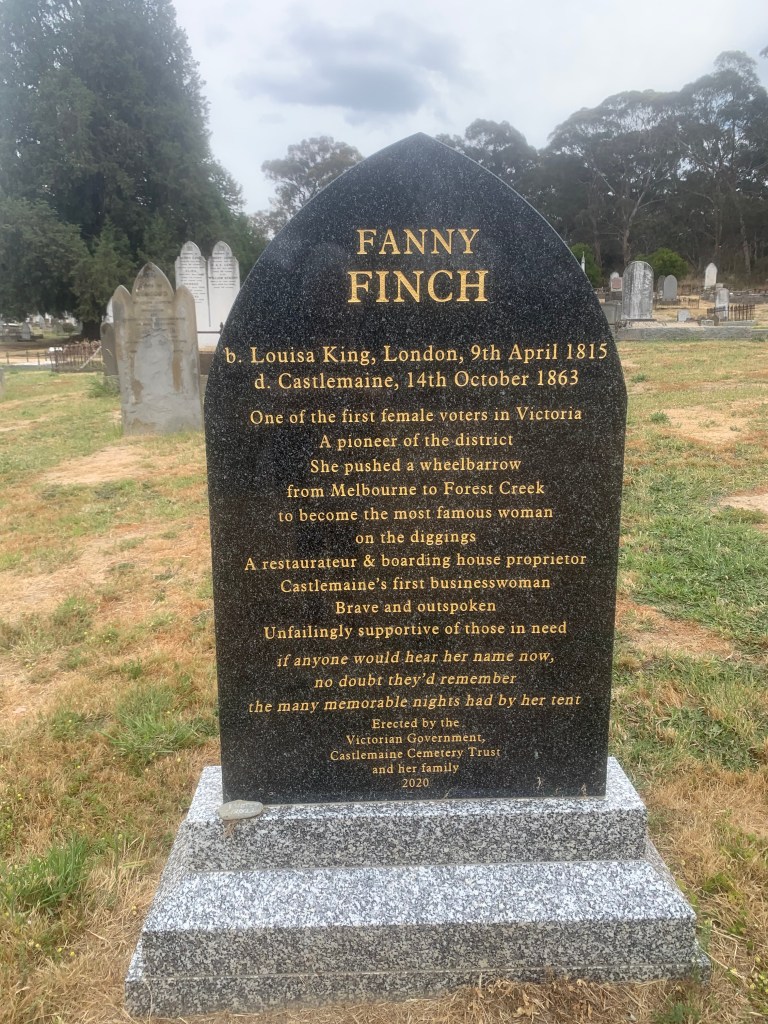
The Chariot – Fanny Finch

The Chariot is the card of triumph, success, determination, and action. The Chariot usually shows a brave warrior standing tall in his chariot. He is all about taking charge and moving forward. He is not about thinking or feeling, but about doing.  

The Charioteer knows what she wants and how to get it. Although the two sphinxes in the front of the carriage are pulling in different directions, the Charioteer has a strength of steel. She pushes them to go her way and to follow her will. 

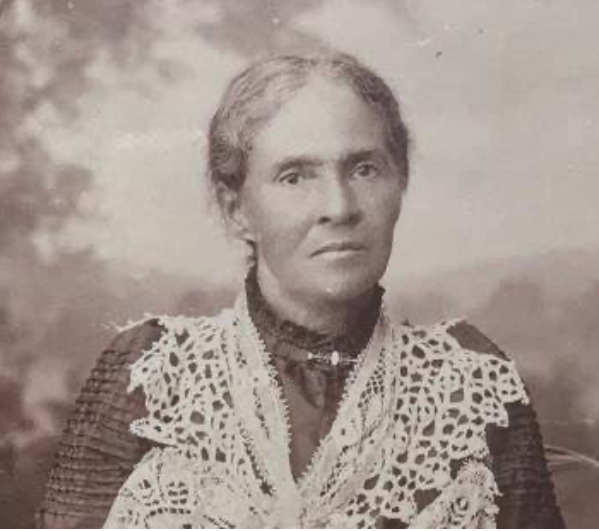
Fanny Finch was born Frances Combe in London, 1815. Her parents were believed to be of African descent, At eight weeks of age she was orphaned by her mother after a tryst with a footman ended in a pregnancy and no marriage proposal. She grew up in the St Pancreas Fledgling Home which protected her from slavery and provided her with an education.

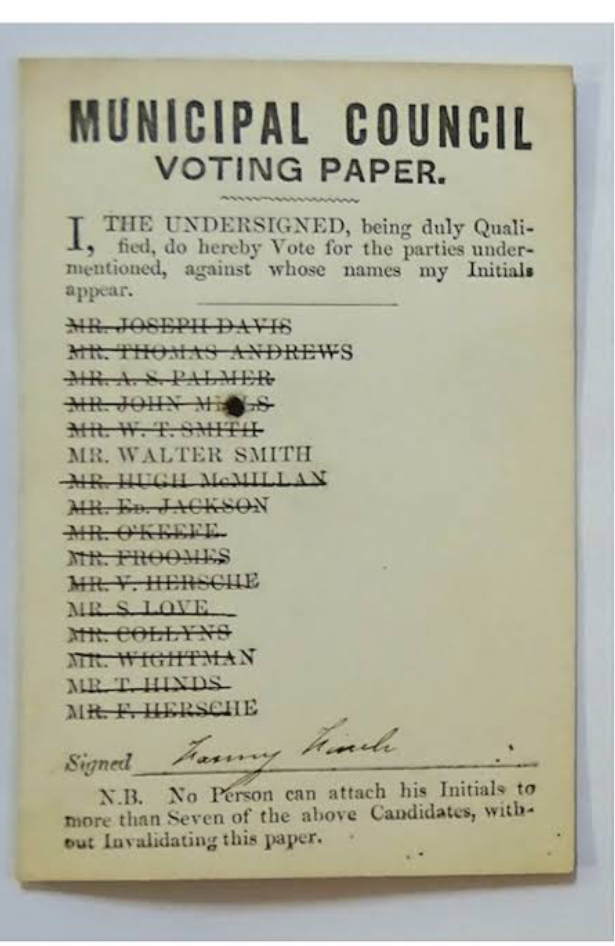
Much has been made of the fact that Fanny was the first woman in Australia to defy the establishment and vote in an election, but her life was more than that moment in 1856 when she wrote her name at the bottom of a ballot paper. Fanny overcame incredible challenges and actively took control of her life.

The Chariot tarot card is all about overcoming challenges and gaining victory through maintaining control of your surroundings. This perfect control and confidence allows the charioteer to emerge victorious in any situation. The use of strength and willpower are critical in ensuring that you overcome the obstacles that lie in your path.

In 1836 at the age of 21, Fanny was granted free passage to the new colony of South Australia as a servant of the well regarded surgeon William Wyatt. There she married a sailor and had four children. Finding herself with an abusive husband she left with her four children to pave her own way. They walked from South Australia to Melbourne and then, after arriving in Melbourne, she pushed a wheelbarrow from Melbourne to the Forest Creek goldfields, where she settled.

Mrs. Finch’s Board and Lodging House became a “respectable” place of accommodations for the 25,000 gold mining men and women in the town of Forest Creek. Finch eventually moved to Castlemaine in 1854 and ran a restaurant, becoming an admired and successful businesswoman in the community. Not surprisingly, evidence points to Finch also being a sex worker while raising her four children as a single parent. But as historian and PhD candidate Kacey Sinclair remarked, “She was a single mother of four and there was no other way to send her kids to school, feed them, and keep a roof over their heads.” 

Finch’s establishment was often the target of police injustice, including a conviction of illegal alcohol-selling, which motivated her to vote.

“I am a woman of but few words and plainly spoken…whatever my position may be, I have worked hard to keep my daughters in a good school and give them an education as I myself have not got…” 

from article by Kacey Sinclair

Finch died in 1863 and was laid to rest in an unmarked grave. Kacey Sinclair and Finch’s great-great-great granddaughter Alice Garner, an actress and author, worked together to bring recognition to Finch’s life and important place in history. Finch’s new memorial, funded by a grant from the government, reads that she was “brave and outspoken, unfailingly supportive of those in need.”

Facts and Fiction

  • A Letter to Mother is a fictional Aussie yarn about another woman whose life journey bought her to Castlemaine
Posted in Matilda's, Memoir Writing, Women's Health, Women's Stories

The Tower – Rose Jackson

Being outed, quitting your job, getting fired, getting dumped. Getting totally called out (and being able to learn from it). These are all examples of Tower moments. Shock events that feel incredibly painful, but that ultimately move us forwards, to a point of no return.

In this Pro Talk by Rachel Pollack, for the Arts University of Plymouth, Pollack provides rich insight into how liberating the destruction of the tower can be for transgender people who finally come out and claim their true identity.

Perhaps best known as the star performer at Capriccios, the first gay club to open in Oxford St, Sydney, in the early 1970s, Rose Jackson’s career as both a costumier and entertainer boasted many highlights.

Born Barry Jackson on September 11 1935 at Paddington Women’s Hospital, Rose said she knew “from the minute she was born” that a male body was not right for her. An athletic young man, Barry loved to swim and for a short period was even a Bondi lifesaver. But it was ‘too butch’. Instead, gay men introduced Barry to a secret Sydney world of parties, fine dining and fashion; and when he began going out in public as a woman. He took the name Rose, after Marilyn Monroe’s character in Niagara, Rose Loomis.

The thing that has always distressed me – and it has taken me years and years to get over it – is the fact that one does have to lie. … It came to the point where I had to say: ‘This is the way I want to be’. But not without thirty years of the most dreadful traumatic pressure. When you consider that you have to live a lie for your parents, to the public, to your friends and your work, the problem seems insurmountable. It takes a long, long time to be able to say: ‘I don’t care about the rest of the world: this is my life and I cannot cheat myself by not living it’. All those things need to said. It takes great strength.
From a monologue by Rose Jackson

By the age of 18, Barry was working as a window dresser at David Jones. His design talent was noticed and he soon accepted a position as display manager for Curzons, where he coordinated around 300 fashion parades as well as designing and supervising the seasonal window displays. At 24, Barry went to Europe and, after time in London and Paris, worked as a display manager for a leading chain of department stores in Sweden.

By the time Barry returned to Sydney five years later, in 1964, his home city had changed. Walking home one night to his apartment in Kings Cross, he discovered a club called the Jewel Box, where not only were there drag performances but some of the boys were taking hormone therapy.

By the late 1960s, Barry was living fully as a woman in Paddington. Making costumes for Sydney’s leading theatre company, the Old Tote, by day, he performed at the Purple Onion club at night. It is the Purple Onion — on the site of the current Kens at Kensington — that can claim to have pushed Rose’s costume design skills to the fore, as well as introducing her to regular performing. Rose and the other cast members lived above the premises in what she described as “a drag kibbutz”.

In 1969, Dawn O’Donnell opened Capriccios, to offer drinks, a dancefloor, and a fully costumed drag show. It wasn’t long before Rose was the undisputed star, with a persona that highlighted an elegant femininity.

In 1983 David Mitchell and David Penfold created a show for Rose based on her life and career called Rose’s Turn. It played at Kinselas and was a huge success. She then opened her own club, Rose’s, on Goulburn St.

There Rose performed with stars including Judi Connelli and Tony Sheldon. Sheldon has said his interpretation of Bernadette in Priscilla, Queen of the Desert, currently playing in New York, is based on Rose Jackson.

Diverse Tower Moments

The dust will settle. And you will be standing in the rubble, watching the air clear. There may be some mourning to be done, some goodbyes to say or loose ends to tie up. People, including you, may be scared or lost. But. The tower that was dominating the landscape is now gone, and there is space for something new”.
Sourced from Little Red Tarot

Rosemary Batty

Posted in Matilda's, Memoir Writing, Women's Health, Women's Stories

Eight of Swords – Lindy Chamberlain

The Eight of Swords can represent feeling trapped, confined, restricted or backed into a corner or having your hands tied. It signifies fear, terror, anxiety and psychological issues. It is a Minor Arcana card of hopelessness, helplessness, powerlessness, slavery, persecution and being silenced or censored. 

trapped, restricted, victimised, paralysed, helpless, powerless, imprisonment

A little like the Devil, the Eight of Swords gives us a picture of bondage. It presents a figure with their hands tied, blindfolded, surrounded by sharp swords. This can be a difficult card to see emerge in a spread for it is a card that demands you investigate your status as a victim and acknowledge your own role in any possible downfalls that may be occurring around you.

To gain more understanding of how we might see this energetic play out it helps to see through the eyes of an Australian women who felt trapped and bound by the imprisonment and public judgements.

On August 17, 1980, at a campsite near Australia’s famous Ayer’s Rock, a mother’s cry came out of the dark: “My God, my God, the dingo’s got my baby!” Soon the people of an entire continent would be choosing sides in a debate over whether the cry heard that night marked an astonishing and rare human fatality caused by Australia’s wild dogs or was, rather, in the words of the man who would eventually prosecute her for murder, “a calculated, fanciful lie.” A jury of nine men and three women came to believe the latter story and convicted Lindy Chamberlain for the murder of her ten-week-old daughter, Azaria.

Lindy Chamberlain – Creighton Only you can imprison your mind

There is no question that the Azaria Chamberlain case, the subject of film with Meryl Streep taking the role of Lindy Chamberlain, remains one of the most famous Australian trials. It is a story that still captures the imagination of the media.

The Chamberlains fought to prove their innocence, until they reached the end of all legal means available to them. But suddenly, bowing to multiple pressures, the Northern Territory released Lindy and established a Royal Commission to review all the evidence. Ultimately, the Chamberlain’s convictions were quashed and they were exonerated. Four years later they received some compensation.

freedom, release, taking control, survivor, facing fears, empowered, surrender

Perhaps the most extraordinary thing about the Chamberlain case is that it helps us address both the upright and reversed interpretations of this card.

On the Labyrinthos site it states that “getting the reversed Eight of Swords is a good sign, since it shows maturity and self-acceptance, and a recognition of one’s own power and responsibility – especially after a long struggle of doubt. It means that one is capable of making conscious decisions because they are confident in who they are, and their power to affect change in both themselves and the world. It’s time to free ones self from the past and proverbially clear out their closet, creating room for new things and experiences”.

Lindy Chamberlain is a remarkable example of someone who was able to rebuild after such unimaginable suffering.

Posted in Matilda's, Memoir Writing, Women's Health, Women's Stories

A Reckoning – Magda Szubanksi

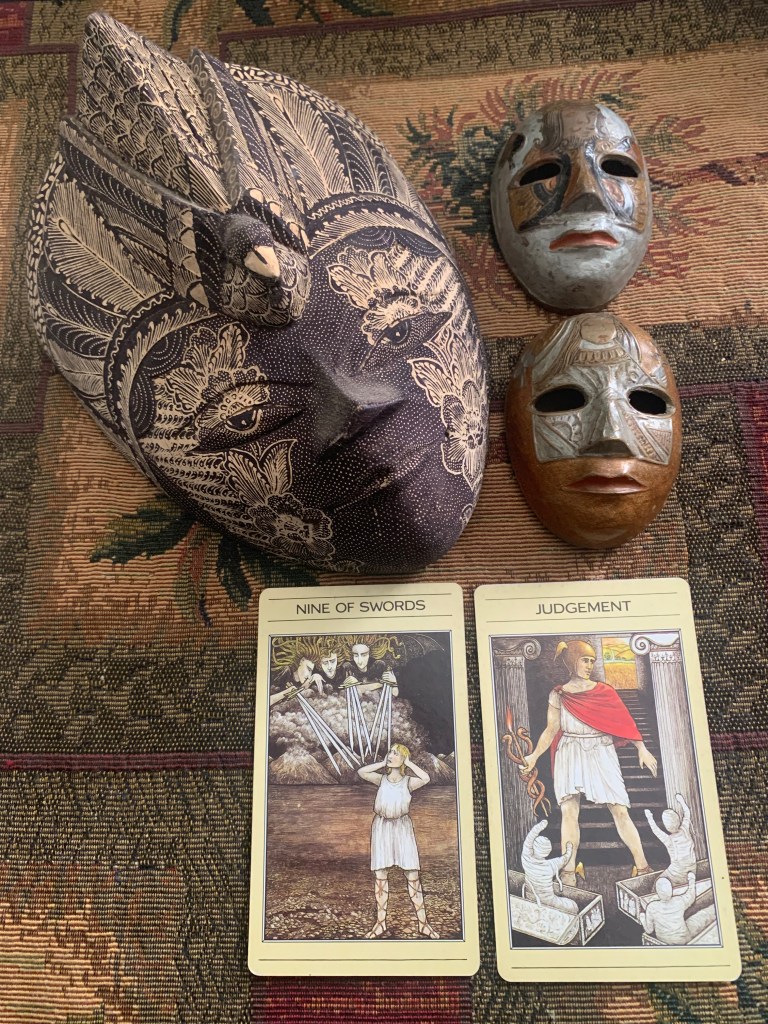
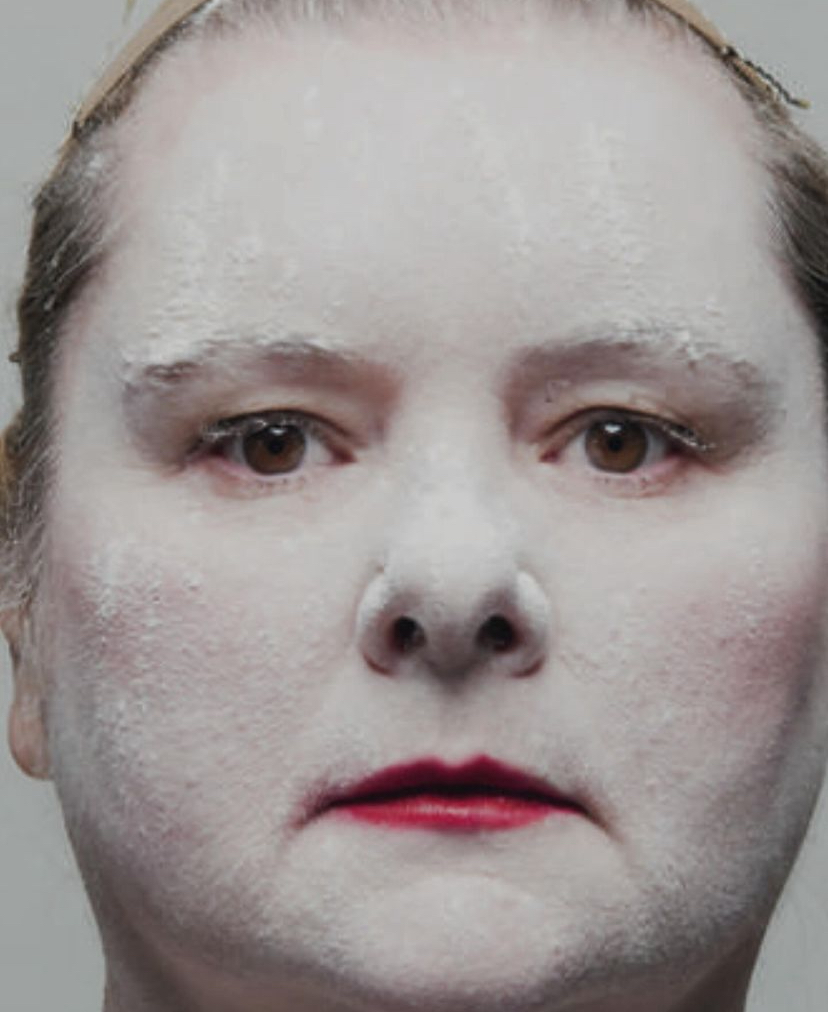
For some the weighty Judgement card is the penultimate card of accountability. Some interpret it as offering an opportunity to pull off the masks we have been wearing and be accountable to ourselves, be honest about our choices.

Holding up a mirror on our life and the lives of our ancestors takes courage. It is not easy to hear the accusing voices and own up to it all, to acknowledge the successes and failures, to feel. regret about choices made, opportunities lost, moral infringements. But the self acceptance that comes with doing a reckoning is liberating. It sets us free when we dispassionately see the pattern of our lives.

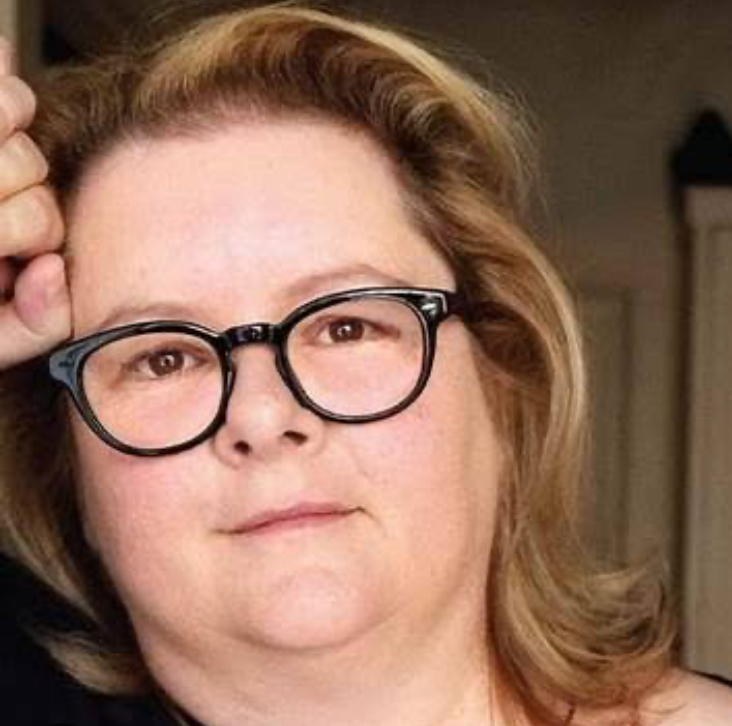
Magda Szubanski is indisputably one of Australia’s most loved comic actors. However her true identity has been hidden within the characters she has played, like Sharon, the unlucky in love netball player, who shot to fame in the comic series Kath and Kim.

When Szubanski took up the challenge of writing her memoir, entitled ‘Reckoning’, she peeled back protective coatings and unflinchingly exposed old emotional wounds. Like a forensic scientist she explores wounds passed from one generation to another.

Are you up for this kind of introspection and reckoning?

Reckonings

Posted in Matilda's, Memoir Writing, Women's Health, Women's Stories

Transitioning – Sandra Pankhurst

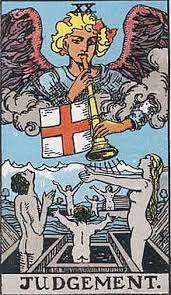
The word Judgement is loaded. In the Judgement Card in the Rider Waite deck we see an angel, with a huge horn, beckoning the dead to rise from their graves and, presumably, face judgement. It certainly invokes ideas expressed in the New Testament where the primary idea of redemption is the deliverance from bondage, specifically the bondage of sin.

However many readers do not subscribe to the idea that there is a judgement, ransom or reckoning taking place and this view is supported by artists like Rachel Pollack’s who replaces the word Judgement with ‘Awakening’ in her ‘Shining Tribe Tarot‘. The idea is that the Angel is calling upon the dry bones to awaken and reincarnate into a fresh new life.

It would be easy to think of this kind of awakening or transition as some kind of rebirth, but really, as Lisa Freinkel Tishman points out in her book ‘Mindful Tarot’ it is more about simply responding to a divine calling, responding to the trumpeter and accepting the intervention of a higher power. It implies that the time is right for the querent to move into a brand new phase. The querent can look forward to dynamic new beginnings.

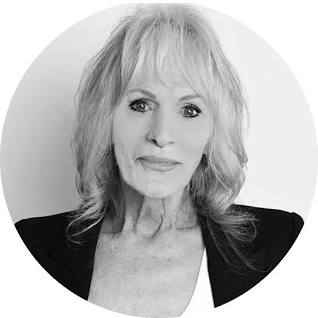
Sandra’s personal life is an incredible tale of trauma, transition, transformation, and survival.

Sandra Anne Pankhurst’s early experience was horrendous. It was not a good beginning. At the age of seven, when she still identified as a boy, Sandra’s given name was ‘Peter’. As Peter he was told by his adoptive family that he was “no longer wanted”. After that, he survived 10 years of severe physical and psychological abuse before running away from home.  

At 18, Peter married and soon after had the first of two boys with his then-wife. At 23, when Peter’s wife discovered that he had been visiting gay bars, Peter went through a major transition. He moved out of the family home, separated from his wife, and embraced his emerging identity as a woman, as Sandra.  

For many trans people, transitioning is a process of becoming the gender identity they always wanted to be. But for Sandra, it wasn’t like that – she didn’t always want to be a woman. In Sandra’s experience, she decided to transition when she learned that it was possible.

Read the Trauma Cleaner and marvel at how Sandra Anne Pankhurst, an individual, who had faced a lifetime of hostility and transphobic abuse eventually responded to a calling and became dedicated to cleaning up the messes left behind after the trauma of suicide, meth labs, and hoarding. The idea for her trauma cleaning business emerged when she was a funeral director, as there were no death/crime scene specialist cleaners.

Pankhurst was also an active advocate for aged care rights, disability, mental health and ethics. She was extremely passionate about making a positive impact on the welfare of people of all lifestyles in the aged care and mental health sector. 

Callings and Transitions

Posted in Matilda's, Memoir Writing, Narrative Therapy, Women's Health, Women's Stories

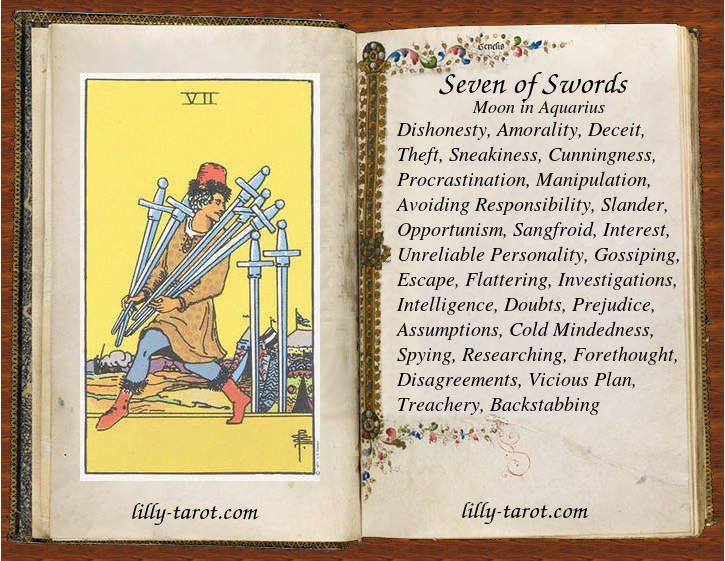
Seven of Swords – Melissa Caddick

There are many reasons why people might lie, or hide the truth. You may be afraid to be yourself. It may not be safe to tell the whole truth. The Seven of Swords is about what you – or someone else – is/are hiding or holding back, and asks you to consider why.

This card can be about straight-up dishonesty or theft. Underhand tactics or sneaky behaviour. It shines a light on areas of our lives where dishonesty is present, asking us to confront them, to deal with whatever is going on.

Melissa Caddick allegedly swindled her clients out of an eye watering $23 million dollars, misappropriating investor money of family and friends to fund a lavish lifestyle, buying luxury items including jewellery, watches, designer clothing and shoes.

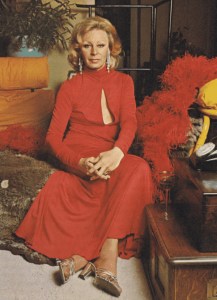
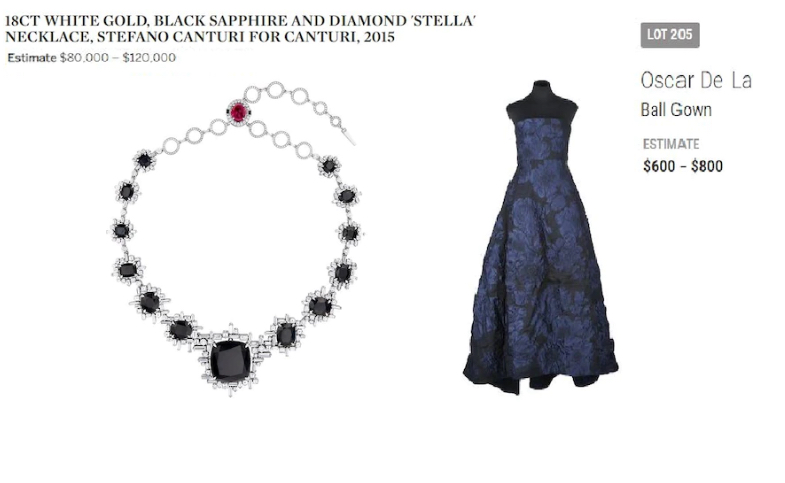
In the image below Caddick is seen enjoying the good life. She looks very like the Nine of Pentacles as she shows off a designer gown and sapphire and diamond jewellery estimated to be worth $100,00.

Of course the thing about the Seven of Swords, or the Nine of Pentacles for that matter, that is prudent to remember, is that things can change very quickly. Caddick’s world came crashing down when the ASIO came investigating. She vanished just hours after the Australian Federal Police and Australian Securities and Investments Commission raided the home. She was declared dead four months after her disappearance in February 2021 when a decaying foot was found on a beach 400km south of Sydney.

Designer clothing, art, luxury goods and jewellery belonging to Caddick have since been sold for $860,000 at auctions in Sydney.